Lodz: Textile Metropolis in the Heart of Poland
Travel guide · editorialLodz Voivodeship lies in the geographic heart of Poland and is defined by a city that rose from nothing to become a textile metropolis in the 19th century. A vacation in Lodz means red-brick factory palaces and a rich film and design history, but also quiet small towns, castles, and river landscapes along the Pilica.
In the Middle of the Country
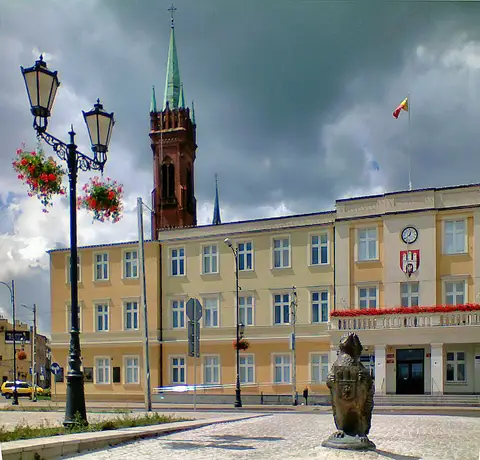
The voivodeship lies between Warsaw, Poznań, Wrocław, and Katowice in a landscape that ranges from flat to gently rolling. The Pilica River flows through the south, flanked by reservoirs and forests, while the Bzura runs through the north. Around 2.4 million people live here, about a quarter of them in Lodz, which is divided into districts such as Śródmieście, Bałuty, Polesie, Górna, and Widzew. Other towns include Piotrków Trybunalski, one of the oldest towns in Poland; Pabianice, with its textile and pharmaceutical industries; Tomaszów Mazowiecki; and Kutno, a rail hub in the north.
Lodz: City of the Factory Owners
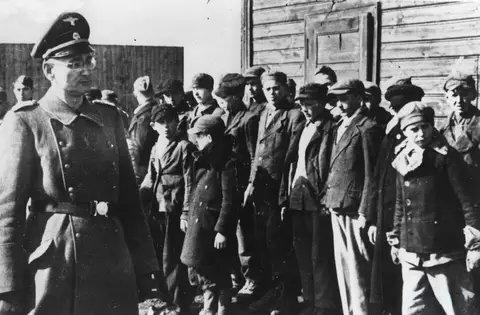
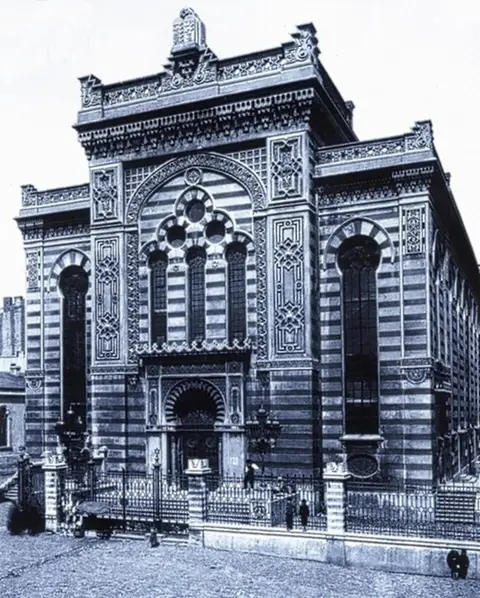
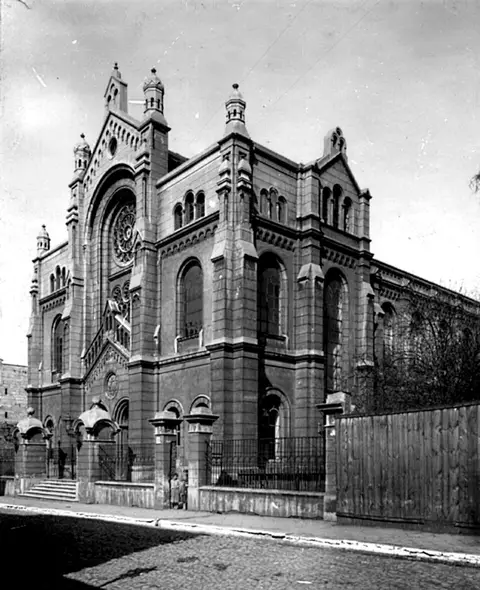
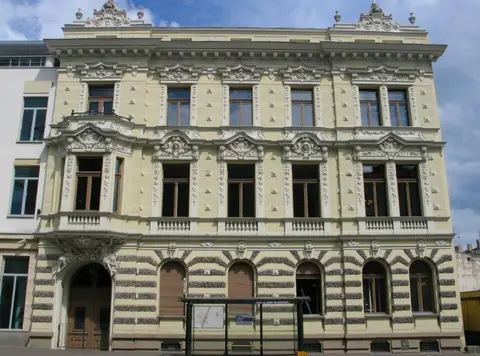
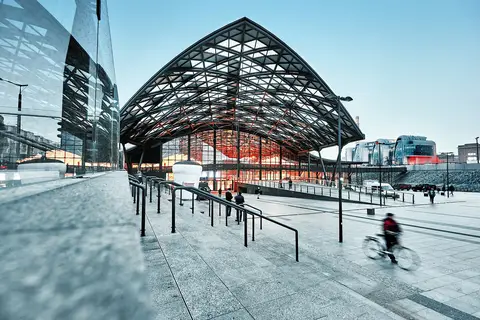
Around 1820, Lodz had only a few hundred inhabitants; by 1900 it was a major city with hundreds of thousands of workers. German, Jewish, Polish, and Russian entrepreneurs built factories and magnificent villas. Piotrkowska, roughly four kilometers (2.5 miles) long, is the main street, lined with Art Nouveau facades, restaurants, and courtyards; bronze statues of famous Lodz natives, such as the pianist Arthur Rubinstein, sit on benches. Manufaktura, in the former factory complex of Izrael Poznański, is now a shopping and cultural center, and next to it stands his palace, which houses the city museum. Ludwik Geyer's White Factory is home to the Textile Museum, and the Muzeum Sztuki is one of the oldest museums of modern art in the world. Lodz is home to the famous film school, where Roman Polański, Andrzej Wajda, and Krzysztof Kieślowski studied, as well as Księży Młyn, with its workers' housing and the villa of Karl Scheibler. Radegast Station commemorates the deportations from the Litzmannstadt Ghetto, one of the largest Jewish ghettos in occupied Europe.
The former EC1 power plant now houses a science center, a planetarium, and a center for film and comics, while the courtyard complex OFF Piotrkowska has filled old factory halls with bars, design shops, and studios.
Sights in Lodz Voivodeship
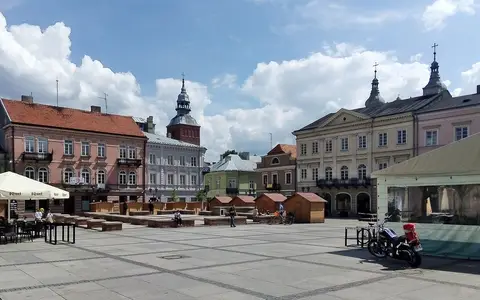
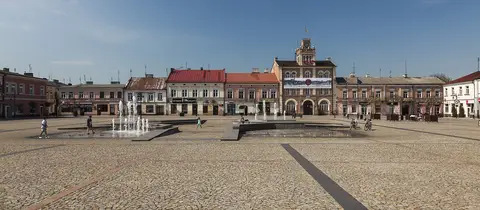
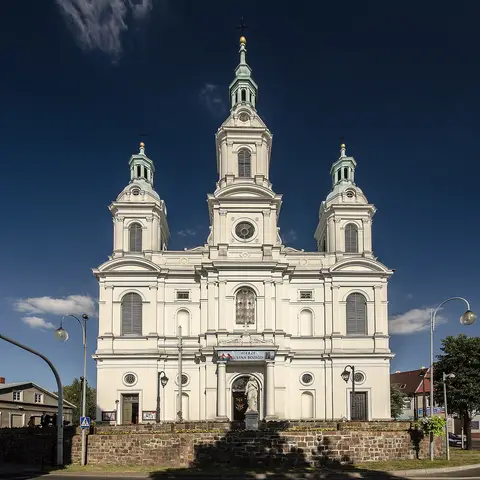
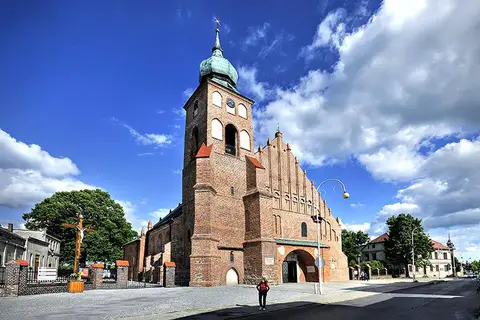
Piotrków Trybunalski was the seat of the Crown Tribunal and a meeting place for parliaments from the 16th century onward, and its old town and churches recall that history. Łęczyca has a castle with a legend about the devil, and nearby Tum is home to one of Poland's most important Romanesque churches. Arkadia and Nieborów, a romantic landscape park and a Baroque palace of the Radziwiłł family, are located near Łowicz. The town of Łowicz is known for its colorful folk costumes and paper cut-outs, which are on display during the Corpus Christi procession. In the south, the Sulejów Reservoir attracts sailors, and near Tomaszów, the Blue Springs nature reserve is where turquoise karst springs bubble up from the ground.
Food, Getting There, and Best Time to Visit
Lodz cuisine blends Polish, Jewish, and German influences. Zalewajka, a potato and sourdough soup, and prażucha, a potato and flour porridge, are regional classics. Łowicz is known for dairy products and jams. Łódź Airport (LCJ) has few connections, and most visitors arrive via Warsaw, from where express trains take about 75 minutes to reach Lodz. The best time to visit is May through September, when outdoor events take place on Piotrkowska; in autumn, the Light Move Festival puts the city's facades in the spotlight.