Discover Portugal: From Lisbon to the Algarve
Travel guide · editorialA vacation in Portugal takes you to the westernmost edge of the European mainland, where the Atlantic shapes the coastline and defines the cuisine. Along roughly 500 miles of coast you'll find surf beaches, the rocky Algarve and fishing villages, while the interior is home to vineyards, cork oak forests and granite villages. Add to that Madeira and the Azores, two island worlds in the middle of the ocean.
Regions from Minho to the Algarve
The north is green and hilly. In the Minho, vines for the sparkling Vinho Verde climb over pergolas, and in Peneda-Gerês National Park, granite villages are dotted with stone granaries. East of Porto, the Douro cuts a deep valley into the schist, and terraced vineyards on its slopes produce port wine. The center of the country, with the Serra da Estrela, the highest mountain range on the mainland, is an area for hikers and cheese lovers.
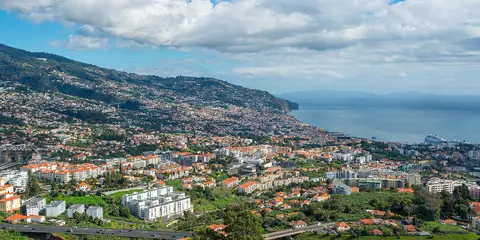
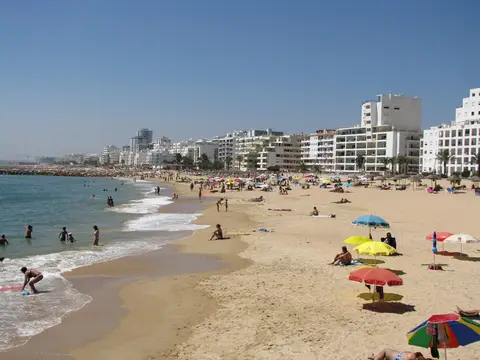
South of the Tagus, the Alentejo begins, a wide plain with cork oaks, olive groves and whitewashed towns such as Évora and Monsaraz. It is hot and quiet here in summer. In the far south lies the Algarve, whose rocky coast around Lagos and the Benagil Cave is among the most photographed sights in Portugal. To the west, on the Costa Vicentina, the coast is wilder and windier. Madeira, with its levadas, the old irrigation channels, and the nine Azores islands, with their crater lakes and whale watching, are destinations in their own right.
Lisbon, Porto and the Cities
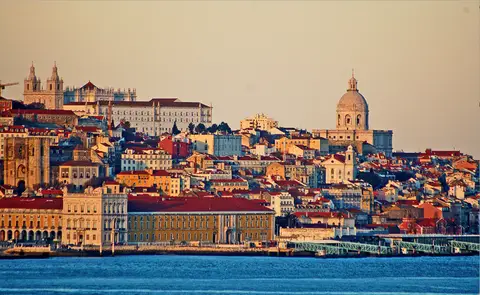
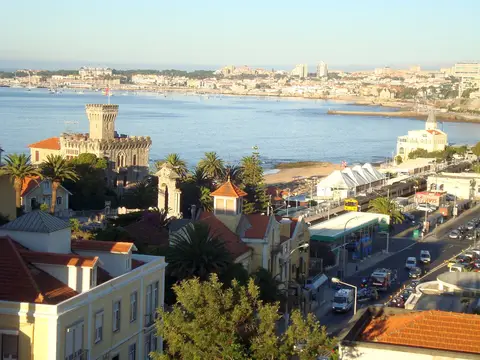
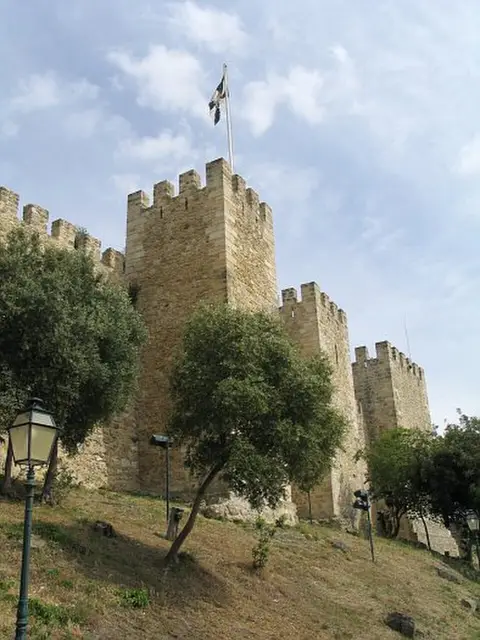
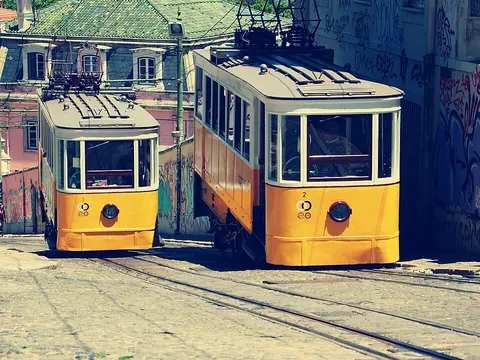
Lisbon sits on hills above the mouth of the Tagus, and yellow trams like Line 28 climb through the lanes of the Alfama. The sights in Portugal's capital include the Jerónimos Monastery and Belém Tower, the viewpoints known here as miradouros, and the nightlife district of Bairro Alto. One day trip leads to Sintra, with its fairy-tale palaces in a misty forest, another to the coast at Cascais and Estoril, where kings and spies once relaxed in the villas.
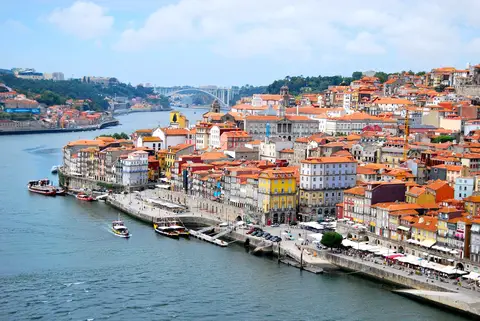
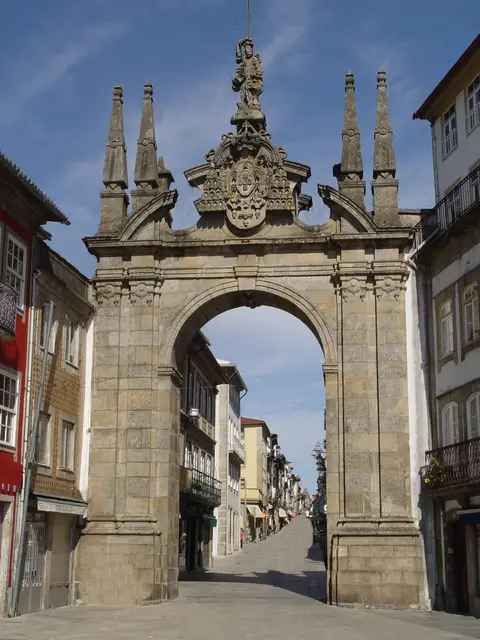
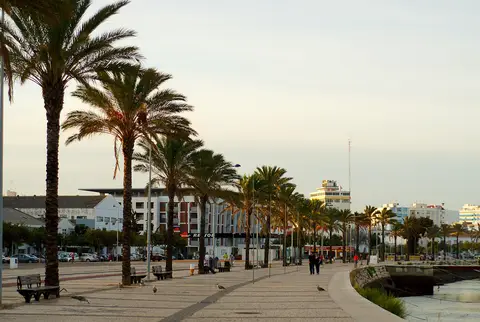
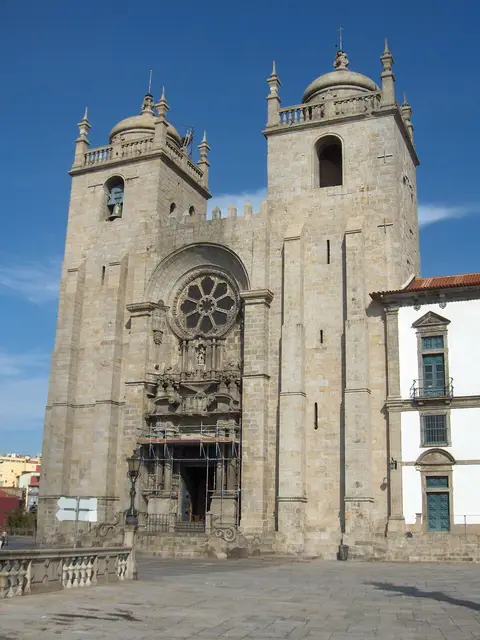
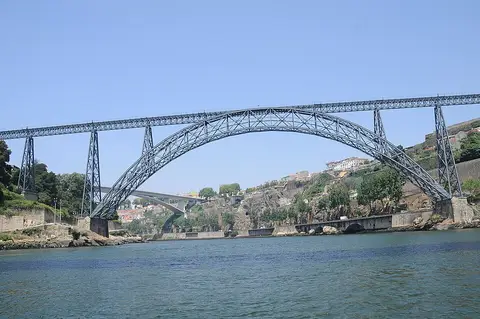
Porto, the second major city, feels a little rougher and more honest. The house fronts of the Ribeira are stacked along the banks of the Douro, while across the river in Vila Nova de Gaia the port wine lodges store their barrels. The São Bento train station is lined with blue-and-white azulejos. Braga is considered a religious center, with the pilgrimage staircase of Bom Jesus, and Coimbra a university town with one of the oldest universities in Europe. On the Algarve, Albufeira, Portimão, Lagos and Quarteira are the best-known towns, and on Madeira, Funchal, with its market hall Mercado dos Lavradores, is the starting point for exploring the island.
Culture and History
Portugal is one of the oldest nation-states in Europe, and its borders have remained largely unchanged since the 13th century. In the 15th and 16th centuries, navigators such as Vasco da Gama sailed from here to India, and the wealth from the spice trade flowed into buildings in the Manueline style, with stone ropes, shells and armillary spheres. The great earthquake of 1755 destroyed Lisbon almost completely, and the lower town, the Baixa, was rebuilt on a grid afterward. The Carnation Revolution of 1974 ended the dictatorship almost bloodlessly, and April 25 is still a public holiday today.
Musically, fado embodies the Portuguese outlook on life, saudade, a mixture of longing and wistfulness. In the small fado houses of the Alfama and Mouraria, singing takes place in the evenings, and in Coimbra students maintain their own male fado tradition. In June, Lisbon and Porto celebrate their patron saints with grilled sardines, pots of basil and street parties lasting until morning.
Food and Drink
Bacalhau, dried cod, is the national fish, even though it comes from the North Atlantic. It is said that there are as many recipes as days in the year, such as bacalhau à Brás with shoestring potatoes and egg. On the coast, fish is simply grilled and served with potatoes and salad. Porto is famous for the francesinha, a hearty sandwich with meat, melted cheese and beer sauce, and Lisbon for pastéis de nata, which have been baked in Belém since 1837 according to a secret recipe. In the Alentejo, pork with clams and bread soups come to the table.
Besides port and Vinho Verde, robust red wines are grown in the Douro, the Dão and the Alentejo, and Madeira produces the fortified wine of the same name. An espresso is called a bica in Lisbon and a cimbalino in Porto, and almost every pastelaria has a glass case full of pastries.
Getting Around Portugal
From Germany there are direct flights to Lisbon, Porto and Faro, as well as to Funchal and Ponta Delgada in the Azores. The train connects Lisbon and Porto on the Alfa Pendular express in just under three hours, and the line to the Algarve is also well served. Long-distance buses reach smaller towns as well. If you want to explore the Alentejo, the Douro Valley or the west coast of the Algarve, a rental car offers the most flexibility. On many highways, tolls are collected electronically, and rental cars usually have a device on board for this.
Best Time to Visit Portugal
The best time to visit Portugal is spring and fall. From April to June and in September and October, temperatures in Lisbon are a pleasant 68 to 81 degrees Fahrenheit, and on the Algarve it is often a bit warmer still. In July and August it gets hot in the Alentejo and the Douro Valley, while on the coast the Atlantic wind keeps it bearable. The sea is cool, though, rarely above 68°F on the west coast and around 70 to 73°F on the Algarve. Surfers appreciate fall and winter, when enormous waves roll in at Nazaré. With temperatures of around 64 to 77°F, Madeira is a mild destination all year round.