
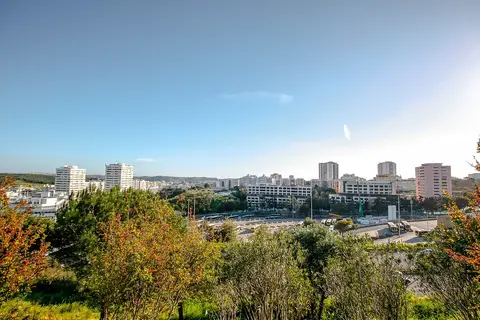
Lisbon: Capital, Sintra and the Atlantic Coast
Travel guide · editorialA vacation in Lisbon combines one of Europe's most atmospheric capitals with palaces in the forests of Sintra, surf beaches near Ericeira and the elegant seaside resorts of Cascais and Estoril. The district stretches from the mouth of the Tagus to Cabo da Roca, the westernmost point of mainland Europe.
Setting and Landscape Between the Tagus and the Atlantic
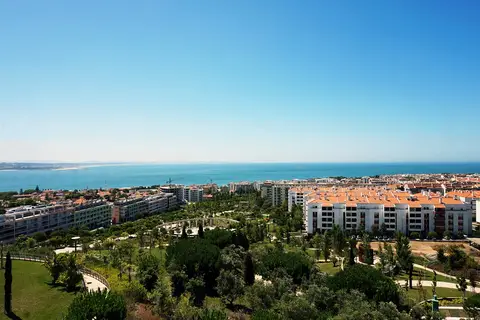
The Lisbon district covers the capital and its northern and western surroundings. To the south it is bordered by the Tagus, which widens into a broad estuary in front of the city, known as the "Sea of Straw." To the west rises the Serra de Sintra, a granite ridge covered in cork oak and eucalyptus forest that catches moist Atlantic air and is therefore often wrapped in fog. The coastline alternates between high cliffs, small coves and long beaches such as Guincho, where kitesurfers take advantage of the steady north wind. To the north, the land gives way to the vineyards and hills around Torres Vedras and Mafra.
Lisbon: Neighborhoods, Viewpoints and Streetcars
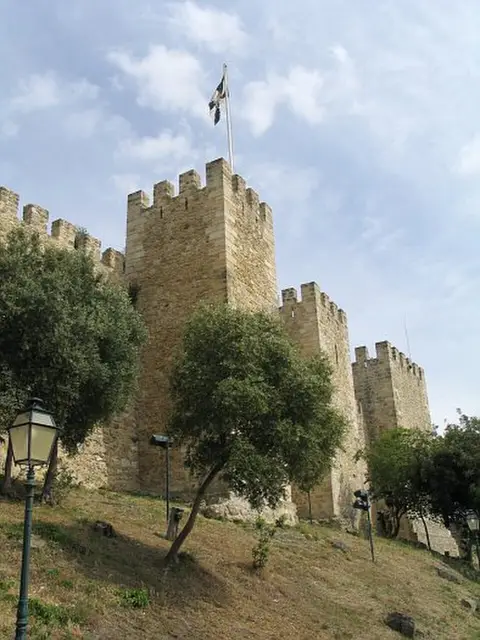
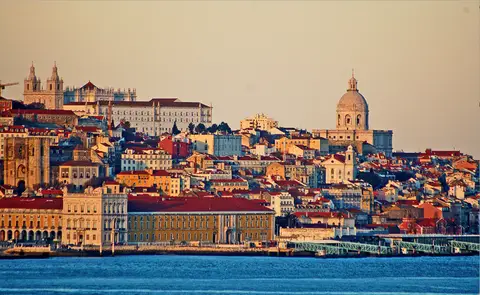
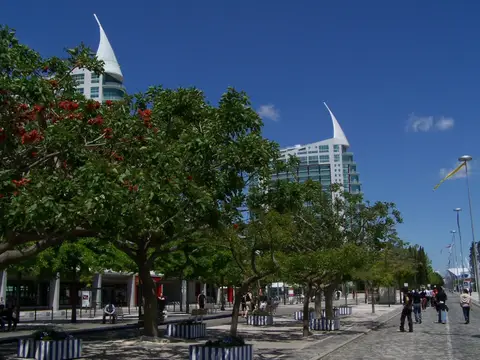
Lisbon is built on seven hills, and if you want to get to know the city, you should wear good shoes. In the Alfama, narrow alleys wind up from the cathedral to the Castelo de São Jorge; in the evenings, fado drifts out of small taverns, and the music has been on UNESCO's Intangible Cultural Heritage list since 2011. The Baixa was rebuilt on a grid pattern after the 1755 earthquake and opens onto Praça do Comércio on the waterfront. In the Bairro Alto and Príncipe Real, young people gather at night, while by day viewpoints such as the Miradouro da Senhora do Monte beckon. The yellow streetcars of Line 28 rattle through the steepest neighborhoods. To the west lies Belém with the Jerónimos Monastery and the Belém Tower, both UNESCO World Heritage Sites and monuments to the Age of Discovery. The Parque das Nações in the east looks entirely different: the former Expo 98 site is home to modern architecture, the Oceanarium and the Vasco da Gama Bridge, which stretches about 12 kilometers across the Tagus.
Sights in Sintra, Cascais and Mafra
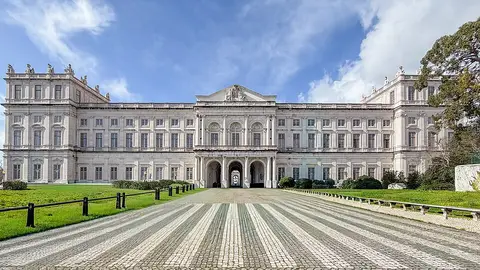
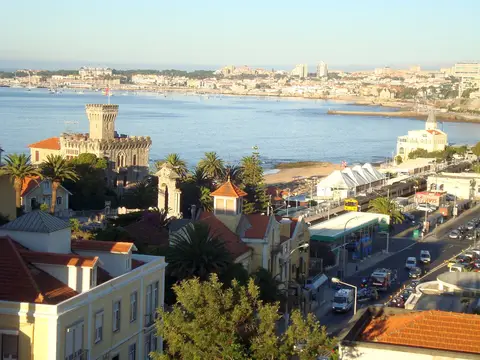
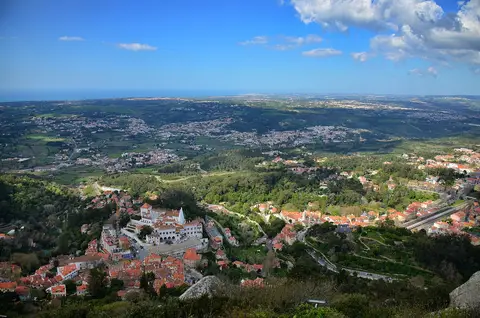
Sintra is the district's most popular destination for day trips. The colorful Pena Palace sits high above the forests, with the walls of the Moorish Castle below, the mystical Quinta da Regaleira with its initiation well, and the National Palace in the middle of town. The cultural landscape is a UNESCO World Heritage Site. From Sintra, the road leads to Cabo da Roca and on to Cascais, a former fishing village that became the royal court's summer retreat in the 19th century. Together with neighboring Estoril, its casino and the seaside promenade to Carcavelos, the coastline as far as Oeiras is now the capital's Riviera. To the north, the Mafra Palace impresses with its basilica and magnificent library, and Ericeira is designated a World Surfing Reserve, with some of the best waves in Europe rolling in here.
Food and Drink
Lisbon's cuisine is built around the sea: grilled sardines, especially during the June festivals around the feast of Saint Anthony, bacalhau in dozens of variations, clams in white wine and garlic, and bifana, a pork sandwich for a quick bite. The Pastéis de Belém, warm puff pastry tarts with a custard filling, have been baked from a secret recipe since 1837. In Sintra you buy queijadas and travesseiros, and in the Alfama you sip a little glass of ginjinha made from sour cherries. Colares, near Sintra, produces a rare red wine from vines grown in sand.
Getting Around and Best Time to Visit
Humberto Delgado Airport is close to the center and connected by metro. Within the city, the metro, streetcars, funiculars and the Santa Justa Lift are all practical; commuter trains run from Rossio to Sintra and from Cais do Sodré to Cascais, both in under an hour. The best time to visit Lisbon is from March to June and from September to October, when it is warm but not oppressively hot. The city celebrates its Santos Populares festivals in June, it is crowded in high summer, and the sea stays refreshingly cool at around 64 to 68 °F. The mild winter is also well suited to city breaks.