Discover Lisbon: Hills, Trams, and Fado
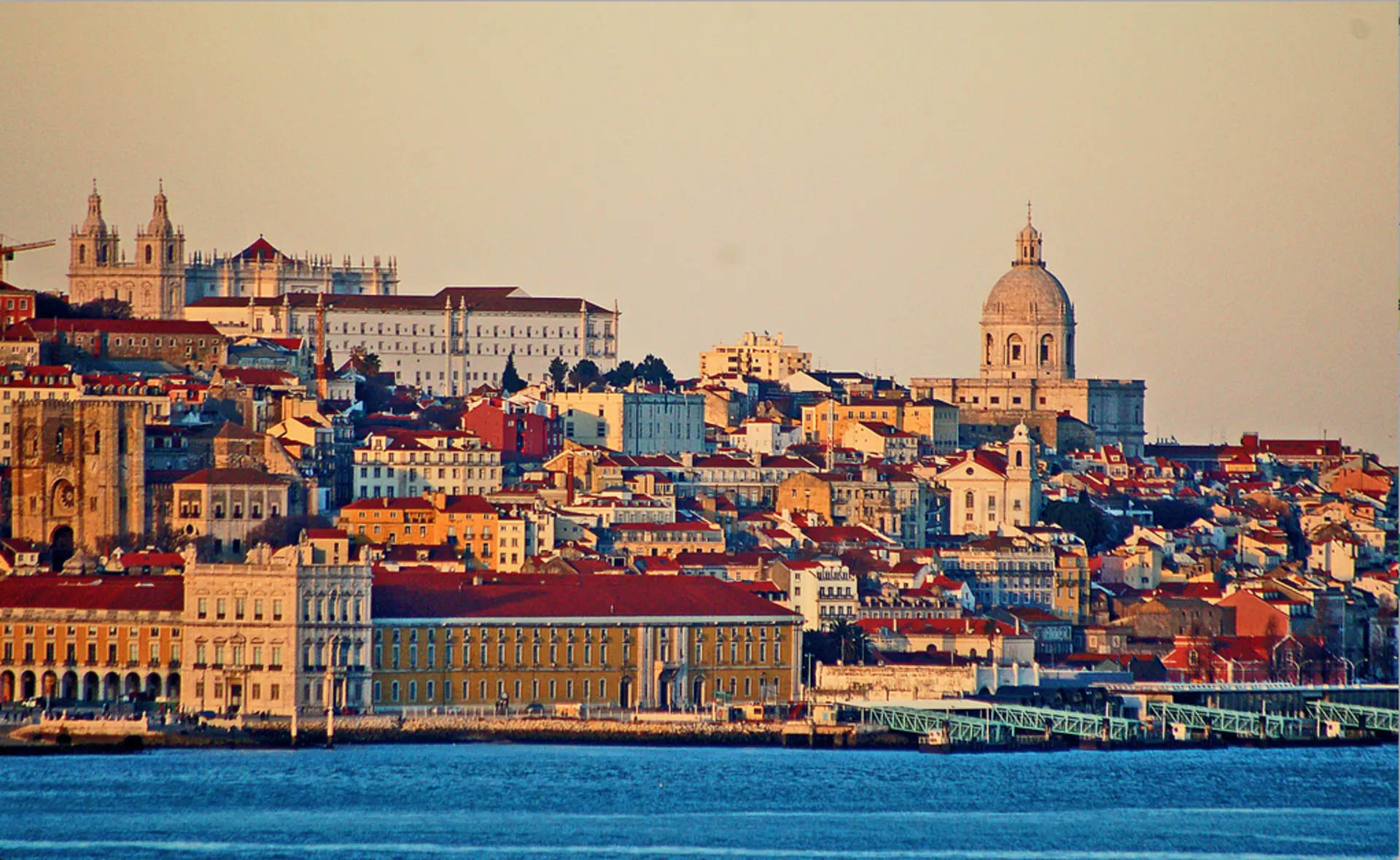
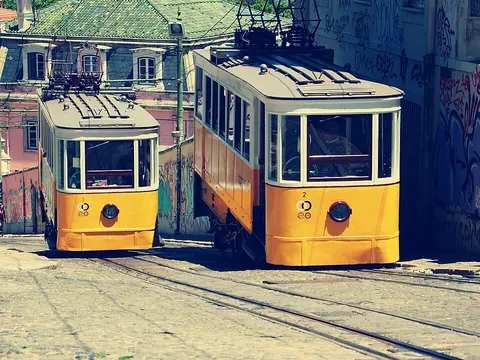
Travel guide · editorialA yellow streetcar squeals through the narrow alleys of the Alfama, fado drifts out of a tavern, and from the viewpoint you look across red rooftops to the Tagus: Lisbon, built on seven hills, is one of Europe's most atmospheric capitals. A city break in Lisbon combines seafaring history, azulejos, fresh seafood, and the soft light of the Atlantic. A Lisbon vacation is also easy to combine with beaches and the fairy-tale town of Sintra.
Explorers and Earthquakes
Phoenicians, Romans, and Moors shaped the city before Christian crusaders conquered it in 1147. In the 15th and 16th centuries, the great explorers set out from here: Vasco da Gama found the sea route to India, and the wealth from the spice trade and colonies flowed into churches and palaces. On All Saints' Day in 1755, an earthquake, a tsunami, and fires destroyed large parts of the city. The Marquês de Pombal had the lower town, the Baixa, rebuilt with straight streets and earthquake-resistant buildings. In 1974, the Carnation Revolution ended the dictatorship.
Lisbon Sights
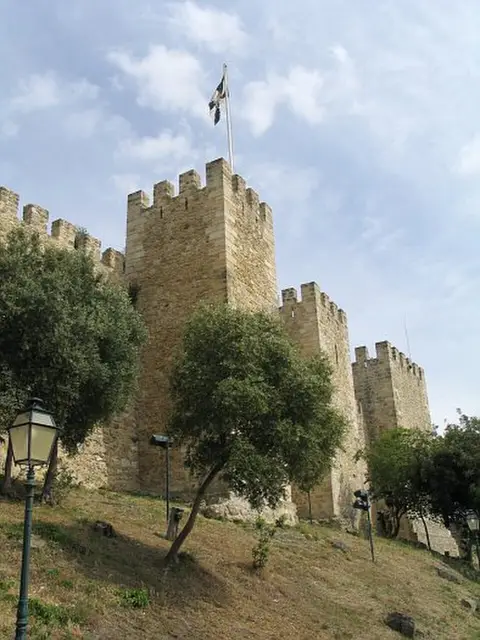
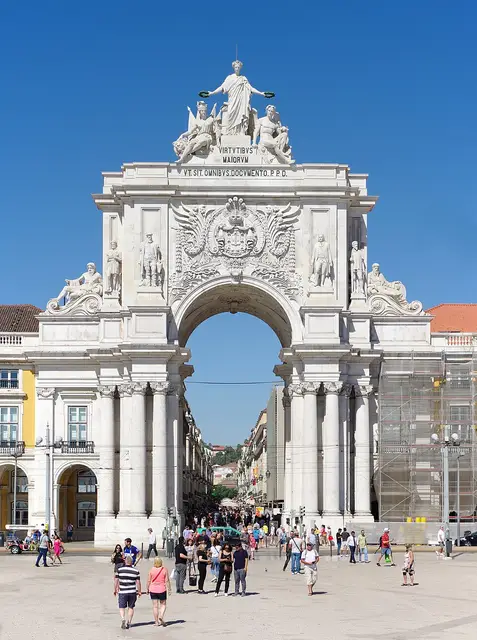
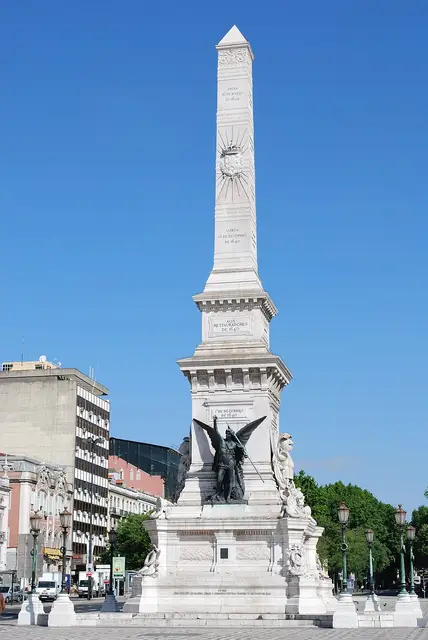
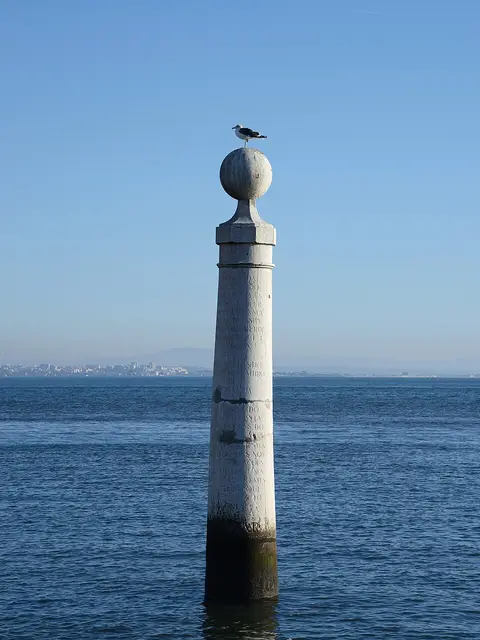
The Praça do Comércio opens onto the Tagus with its triumphal arch, and behind it the Baixa begins, with the pedestrian zone of Rua Augusta. The Elevador de Santa Justa, a neo-Gothic elevator, connects the lower town with the Chiado. High above the city sits the Castelo de São Jorge, with the Sé Cathedral below it. Tram 28 runs through the Alfama, Graça, and Estrela – best early in the morning, before it fills up. In the Belém district you'll find the Jerónimos Monastery, a masterpiece of Manueline architecture containing the tomb of Vasco da Gama, and the Belém Tower, both UNESCO World Heritage Sites, as well as the Monument to the Discoveries. Viewpoints, known as miradouros, such as Santa Luzia, Graça, and São Pedro de Alcântara, offer views over the city.
Museums and Culture
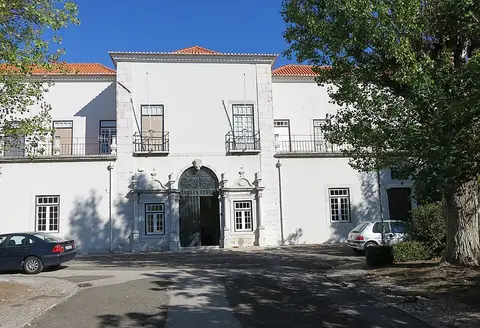
The Calouste Gulbenkian Museum displays a first-rate art collection ranging from antiquity to Art Nouveau. The Museu Nacional do Azulejo, housed in a former convent, tells the story of painted tiles. The MAAT on the Tagus waterfront in Belém is a museum of art, architecture, and technology in a curving new building. Fado, Lisbon's melancholy music, is part of UNESCO's intangible cultural heritage; in venues in the Alfama and Mouraria it is sung live in the evenings.
Neighborhoods and Nightlife
The Alfama in Santa Maria Maior is the oldest neighborhood, with winding alleys where laundry hangs over the stairways. In June it celebrates the Santos Populares with grilled sardines, music, and garlands. The Bairro Alto in Misericórdia is the evening nightlife district, where people stand in the street with drinks, and the Cais do Sodré with its Pink Street is its lively neighbor. Arroios and Santo António are multicultural residential neighborhoods, and Avenidas Novas is the modern business district. To the east lies the Parque das Nações, the site of Expo 98, home to the Oceanarium.
Eating in Lisbon
Pastéis de Nata, flaky pastry tarts with custard filling, are the city's sweet symbol; the most famous ones come from a bakery in Belém. Bacalhau, salt cod, is said to be prepared in more than 365 ways in Portugal. Add to that grilled sardines, ameijoas à Bulhão Pato (clams with garlic and cilantro), and the pork sandwich known as a bifana. The Time Out Market in the Mercado da Ribeira is a popular food hall. Ginjinha, a cherry liqueur, is served in small bars in the Baixa.
Getting Around and Best Time to Visit
The airport is only about 7 kilometers (4 miles) north of the center and is connected by metro. The metro, streetcars, buses, funiculars, and ferries across the Tagus make the city accessible. The best time to visit is spring and fall; in summer it is hot and crowded. Day trips lead to Sintra with its palaces such as the colorful Palácio da Pena and the mysterious Quinta da Regaleira, to the beaches of Cascais and Estoril, which you can reach in about 40 minutes by suburban train from Cais do Sodré, and to the Costa da Caparica south of the Tagus. From Cabo da Roca, the westernmost point of mainland Europe, you look out over the cliffs to the Atlantic. A ferry ride to Cacilhas offers one of the most beautiful views of the city for very little money.