



Santarém District: Fátima, Tomar, and the Tagus
Travel guide · editorialA vacation in the Santarém District takes you into the Ribatejo, the land along the Tagus, with pastures for horses and fighting bulls, vineyards, and old towns perched above the river. This is where you'll find the pilgrimage site of Fátima and the Templar town of Tomar, two of the best-known destinations in central Portugal.
Landscape along the Tagus
The district stretches along both sides of the Tagus northeast of Lisbon. On the flat Lezíria, the river's floodplain, Lusitano horses and black bulls graze, tended by campinos, mounted herdsmen in green caps and red vests. To the north, the land rises to the limestone hills of the Serra de Aire and the forests around Tomar, while to the east near Abrantes the Tagus valley grows narrower and wilder. Near Vila Nova da Barquinha, Almourol Castle stands on a rocky island in the middle of the river, one of the most romantic structures in the country.
Sights in the Santarém District
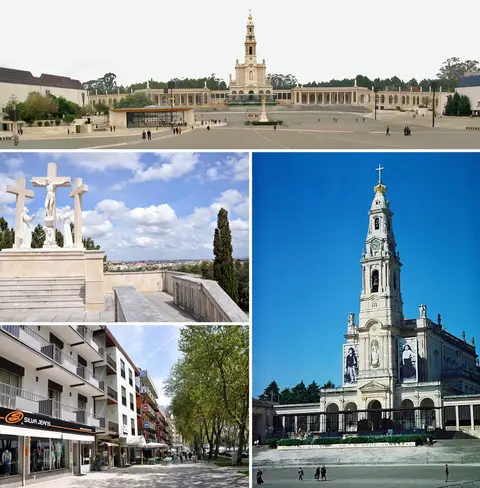
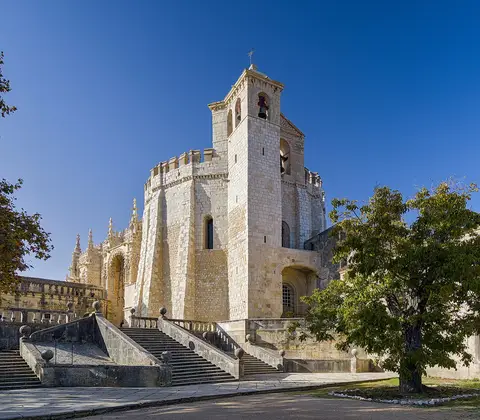
Fátima is one of the largest Marian pilgrimage sites in the world. Ever since three shepherd children reported apparitions of the Virgin Mary in 1917, millions of pilgrims have come each year, especially for the celebrations on May 12 and 13 and in October. The basilica and the modern Church of the Holy Trinity stand around the vast plaza. Tomar is dominated by the Convento de Cristo, the headquarters of the Templars and later of the Order of Christ; the round Templar church and the famous Manueline window are part of a UNESCO World Heritage Site. Every four years, most recently in 2023, Tomar celebrates the Festa dos Tabuleiros, in which young women carry tall towers of bread on their heads. Santarém, the district capital, is considered the capital of Gothic architecture; from the Portas do Sol garden you can see far across the Tagus plain. Golegã hosts the national horse fair in November. Rio Maior is known for its inland sea salt pans, which are fed by an underground brine spring.
On the river and in the hills
You can experience the Tagus by kayak or on boat trips, for example from Constância, where the Zêzere flows into the Tagus and where the poet Luís de Camões is said to have lived. In the north of the district, hiking trails lead through the Serra de Aire Natural Park, where Ourém sits on a hilltop with a medieval castle and a count's palace. Abrantes has a fortress with wide views over the valley, and in summer families from across the region swim at the Castelo de Bode reservoir.
Food and drink
Almeirim is the capital of sopa da pedra, or "stone soup," a hearty bean stew with sausage and meat that, according to legend, has a stone in it. Eel and shad come from the Tagus and are eaten fried or in stews. In Abrantes, bakers make palha de Abrantes from egg yolk threads, and in Torres Novas and Santarém you'll find convent sweets. The wines of the Tejo region, both red and white, are considered unfussy and good value.
Getting there and best time to visit
The district is easy to reach from Lisbon via the A1 motorway, with Santarém just under an hour away. Many buses serve Fátima, and Tomar and Santarém are on rail lines. The best time to visit is spring and fall; midsummer can get very hot inland. If you want a quieter experience of Fátima, avoid the big pilgrimage days in May and October. For the horse fair in Golegã, book your accommodation early.