


Setúbal District: Arrábida, Sado, and Caparica
Travel guide · editorialA vacation in the Setúbal District takes you to the other side of the Tagus: to the surf beaches of the Costa da Caparica, the turquoise coves of the Serra da Arrábida, and the Sado estuary, home to dolphins. From Lisbon you can be there in half an hour, yet you're in a completely different world.
Location and Landscape
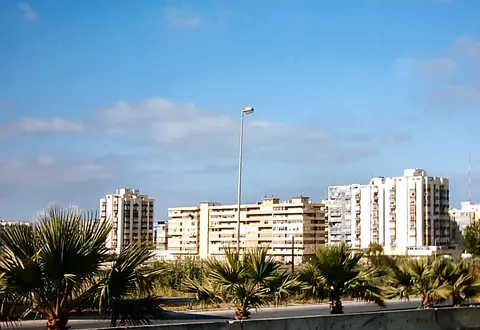
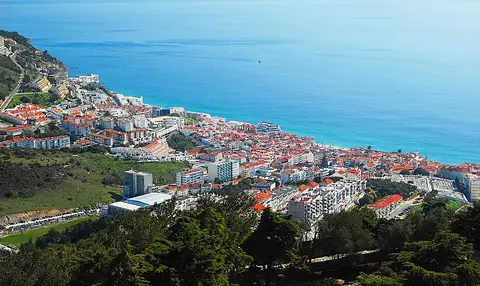
The district covers the peninsula south of Lisbon and stretches far south along the coast to Sines. In the north, it is closely intertwined with the capital: Almada, Seixal, and Barreiro are residential and industrial towns on the Tagus riverbank, connected by the 25 de Abril Bridge and the ferries to Cacilhas. To the west lies the Costa da Caparica, with some 30 kilometers of sandy beach. The heart of the district is the Serra da Arrábida, a limestone massif that drops steeply into the sea and is covered in Mediterranean scrub. South of the Sado estuary begin the Tróia Peninsula, rice paddies, pine forests, and the secluded beaches around Comporta.
Sights in the Setúbal District
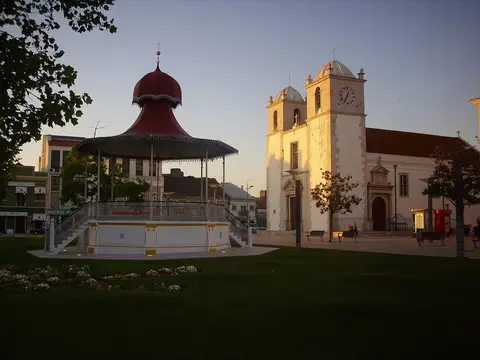
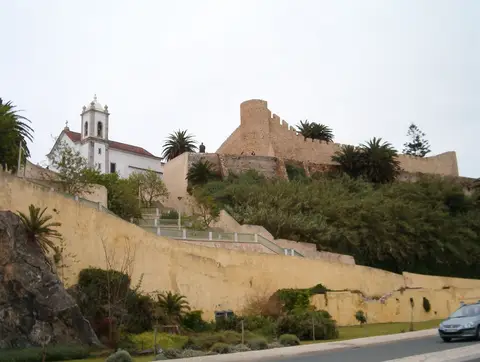
In Almada, the Cristo Rei statue looks out from a high pedestal across the Tagus toward Lisbon, a view that draws many visitors. The port city of Setúbal has a lively old town with the Manueline Igreja de Jesus, a large market hall, and São Filipe Fort above the bay. From here, boats depart for bottlenose dolphin watching in the Sado estuary, and a ferry runs to Tróia. Along the coastal road through the Arrábida lie coves such as Portinho da Arrábida and Galapinhos, with the Franciscan convent on the slope above. Sesimbra, a fishing village with a hilltop castle, is a good spot for swimming and diving; the parishes of Castelo and Santiago make up the town. Palmela Castle towers over the vineyards, and farther south, Alcácer do Sal on the Sado, the Roman ruins of Miróbriga near Santiago do Cacém, and Sines, the birthplace of Vasco da Gama, are all worth a visit.
Experiencing Nature
You can explore Arrábida Natural Park on hiking trails along the ridge of the Serra, with views of the sea on one side and vineyards on the other. In the Sado estuary, bird-watchers can spot flamingos and storks, and kayak tours lead through the salt pans and rice paddies. On the coast near Sesimbra, the underwater world and the rocks are well suited to snorkelers.
Eating and Drinking
Setúbal is famous for choco frito, fried cuttlefish cut into strips, which you can order at simple restaurants by the harbor. Fish and seafood, such as red mullet or clams from the Sado, are fresh everywhere. A creamy sheep's milk cheese, Queijo de Azeitão, comes from Azeitão, and the area around Palmela and Azeitão is home to Moscatel de Setúbal, a golden dessert wine. Tortas de Azeitão, a sponge roll filled with egg yolk cream, are the perfect accompaniment.
Getting There and Best Time to Visit
From Lisbon, you can reach the district via the 25 de Abril Bridge or the Vasco da Gama Bridge, by Fertagus commuter train to Setúbal, or by ferry across the Tagus. A car is handy for Arrábida and the southern beaches; in summer, access to some coves is restricted and only possible by shuttle bus. The best time to visit is from May to October. The water in the sheltered Arrábida bay is warmer and calmer than on the open Atlantic coast, and in fall, during the grape harvest, the wineries of Palmela and Azeitão invite visitors for tastings.