Coimbra District: University City and Schist Villages
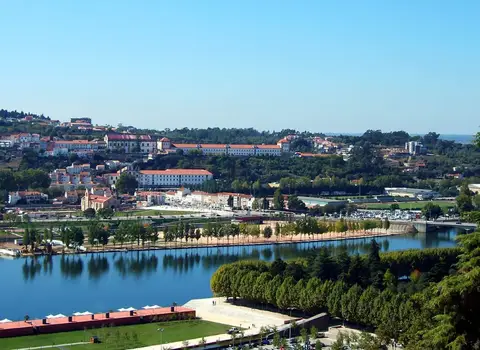
Travel guide · editorialA vacation in the Coimbra District combines one of Europe's oldest university cities with Atlantic beaches near Figueira da Foz and schist villages in the mountains of the Serra da Lousã. The Mondego River ties it all together: it flows out of the mountains, past Coimbra and on to the sea.
Location and Landscape
The district lies in the heart of Portugal, roughly halfway between Lisbon and Porto. In the west it reaches the Atlantic coast with its broad beaches and dunes, in the middle the fertile Mondego Valley with its rice fields defines the landscape, and in the east forested mountains rise. In the Serra da Lousã you'll find the Aldeias do Xisto, villages of dark schist that stood abandoned for a long time and are now being partly revived as holiday destinations, such as Talasnal and Candal.
Sights in Coimbra
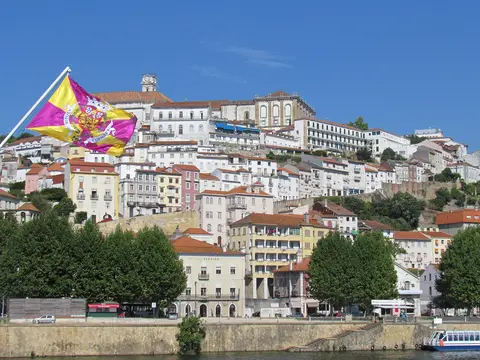
Coimbra was Portugal's capital in the 12th and 13th centuries, and the university, founded in 1290 and moved here permanently in 1537, still shapes the city today. On the hill of the Alta you'll find the old royal palace with the Paço das Escolas, the clock tower, and the Baroque Biblioteca Joanina, whose gilded shelves hold thousands of old books; the ensemble has been a UNESCO World Heritage Site since 2013. Below stand the Romanesque Sé Velha, the old cathedral, and the Santa Cruz Monastery with the tombs of the first kings. Students wear black capes, and in May they celebrate the Queima das Fitas with parades. Coimbra fado is traditionally sung by men, often as a nighttime serenade on the steps of the old town. On the other side of the Mondego lie the Santa Clara-a-Velha Monastery and the miniature park Portugal dos Pequenitos.
Coast, Romans, and Villages
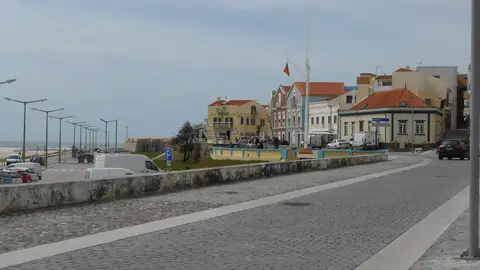
About 9 miles (15 km) south of Coimbra, near Condeixa-a-Velha, lies Conímbriga, one of the best-preserved Roman cities on the Iberian Peninsula, with mosaic floors and baths. Figueira da Foz at the mouth of the Mondego is a classic seaside resort with one of the widest beaches in Portugal, a casino, and the old fishing quarter of Buarcos, with a waterfront promenade beneath Cape Mondego. Praia de Mira to the north is a fishing village with wooden palheiros and a gently sloping beach. In Lousã a castle sits high above a gorge, and Penacova offers canoe trips on the Mondego.
Nature and Activities
If you like being outdoors, you'll find plenty of variety in the district. In the mountains around Lousã and Góis, marked trails lead from schist village to schist village, and at river beaches such as the one in Góis you can swim in cool water in summer. The Mata Nacional do Buçaco, an old monastery forest with a palace hotel, lies just across the border in the Aveiro District and is easy to reach from Coimbra. On the coast near Figueira da Foz and Buarcos, surfing and cycling along the beachfront promenades are popular.
Food, Getting There, and Best Time to Visit
The cuisine is hearty: chanfana, goat meat braised in red wine in a clay pot, leitão (suckling pig) from nearby Bairrada, and fish on the coast. Sweet treats include the pastéis de Tentúgal made with paper-thin pastry and the arrufadas of Coimbra. Coimbra sits on the Lisbon–Porto rail line and can be reached by express trains in a good hour and a half from Lisbon and about an hour from Porto. The best time to visit is April through October; the city is especially lively in May, the coast is popular in July and August, and in fall the forests of the Serra da Lousã change color.