

Porto District: City, Douro, and Atlantic
Travel guide · editorialA vacation in the Porto District usually begins on the Douro, where the old town of Portugal's second-largest city climbs in terraces above the river and the port wine cellars sit on the opposite bank. But the district reaches much further: to the seafood restaurants of Matosinhos, the beaches of Vila do Conde and Póvoa de Varzim, and the green wine country around Amarante.
Between the Douro and the Atlantic
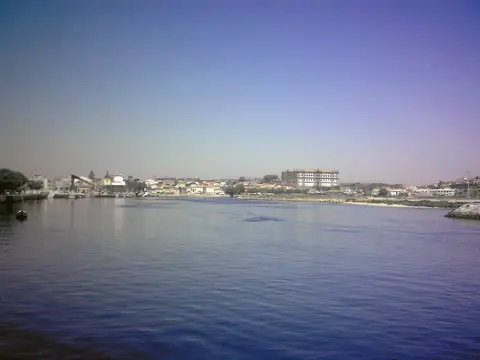
The district lies in northwestern Portugal and stretches from the Atlantic coast to the hills of the Tâmega Valley in the east. The Douro forms a natural axis, and at its mouth at Foz do Douro the river meets the surf. To the north, a flat coastline of broad sandy beaches and dunes unfolds, while inland you'll find a mix of densely populated small towns, granite villages, vineyards producing Vinho Verde, and eucalyptus forests. The climate is shaped by the Atlantic: mild, but rainier than in the south. This very mix of big city, fishing towns, and green hinterland makes the district so varied, since hardly any destination is more than an hour from Porto. Many visitors combine a few days in the city with excursions to the coast, to Guimarães and Braga in the north, or with a boat trip up the Douro.
Sights in Porto
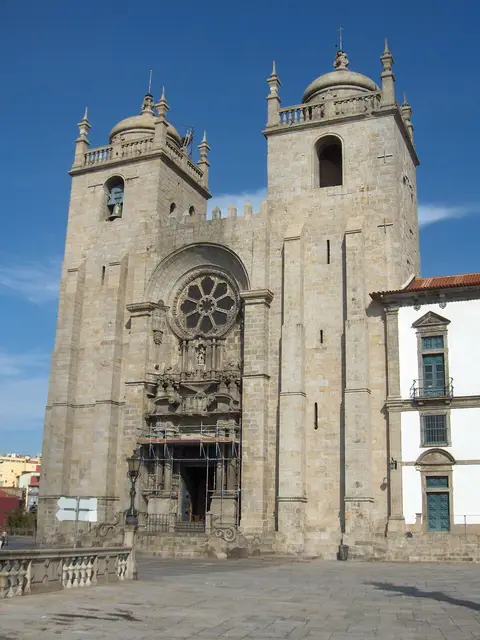
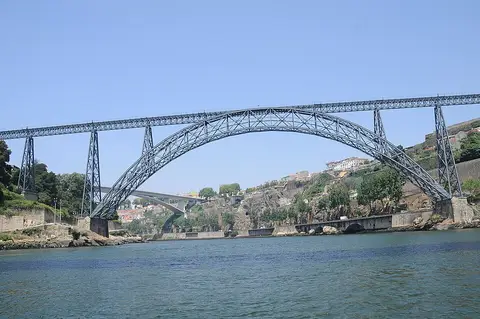
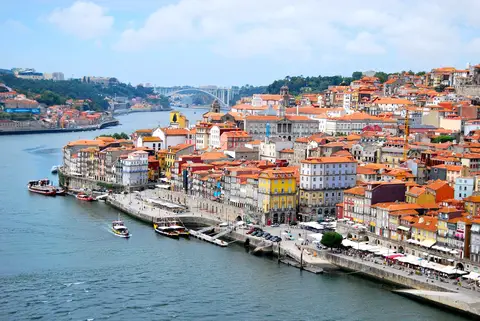
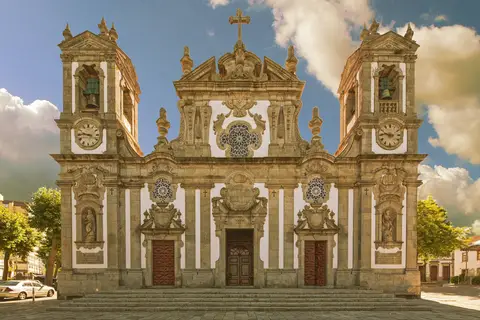
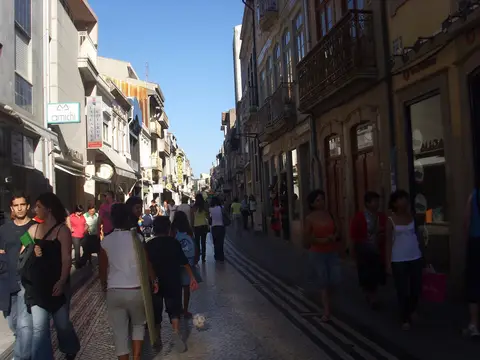
Porto's old town has been a UNESCO World Heritage Site since 1996. Down by the river lies the Ribeira, with its colorful houses, taverns, and the rabelo boats that once brought wine barrels down from the upper river. The double-decker iron Dom Luís I Bridge, opened in 1886, connects Porto with Vila Nova de Gaia, where cellars such as Taylor's, Graham's, and Sandeman invite you to tours and tastings. Higher up in the city, the Clérigos Tower rises above the rooftops, São Bento station greets travelers with huge azulejo murals, and the Livraria Lello is considered one of the most beautiful bookstores in the world, with lines to match. The Sé Cathedral, the Stock Exchange Palace with its Moorish-style Arabian Room, and the churches with blue-and-white tiled façades shape the cityscape. Modern art is on view at the Fundação de Serralves, in a park on the western edge of the city.
Coast and Small Towns in the District
Matosinhos, just north of Porto, is the place to go for fresh fish: on Rua Heróis de França, grills are set up on the sidewalk, sizzling with sardines, sea bream, and squid. In neighboring Leça da Palmeira, the architect Álvaro Siza designed the Piscinas das Marés saltwater swimming pools among the rocks and the Boa Nova Tea House. Farther north is Vila do Conde, with a long aqueduct, the Santa Clara Monastery, and a shipyard where you can visit a replica of an explorer's caravel. Neighboring Póvoa de Varzim is a classic seaside resort with a casino and a broad beach. Inland, Amarante is worth a visit: the bridge and the São Gonçalo church are reflected in the Tâmega River, and the pastry shops serve convent sweets made from old recipes.
Food and Drink
Porto's residents are jokingly called "Tripeiros" (tripe eaters), after the dish Tripas à moda do Porto. Better known is the Francesinha, a hearty sandwich with meat and sausage, topped with melted cheese and smothered in a spicy beer-and-tomato sauce. Bacalhau, polvo (octopus), and caldo verde, a cabbage soup with slices of sausage, are also part of the repertoire. Port wine ages in Gaia, while the grapes grow farther upriver in the Douro Valley; the district itself produces light, lively Vinho Verde. The highlight of the year is the night of São João, from June 23 to 24, when the whole city celebrates in the streets, eats grilled sardines, and bops people on the head with plastic hammers.
Getting There and Best Time to Visit
Francisco Sá Carneiro Airport is about 9 miles (15 km) north of the center and is connected by metro; the metro network extends to Matosinhos, Vila do Conde, and Póvoa de Varzim. Express trains run from Lisbon to Porto in about three hours. The best time to visit Porto and the district is from April to October. July and August are the driest months, but the water stays cool; spring and fall are ideal for sightseeing and for excursions by boat or train into the Douro Valley. The grape harvest takes place there in September and October, a particularly beautiful time to visit the quintas.