Discover Porto: Ribeira, Port Wine, and Bridges
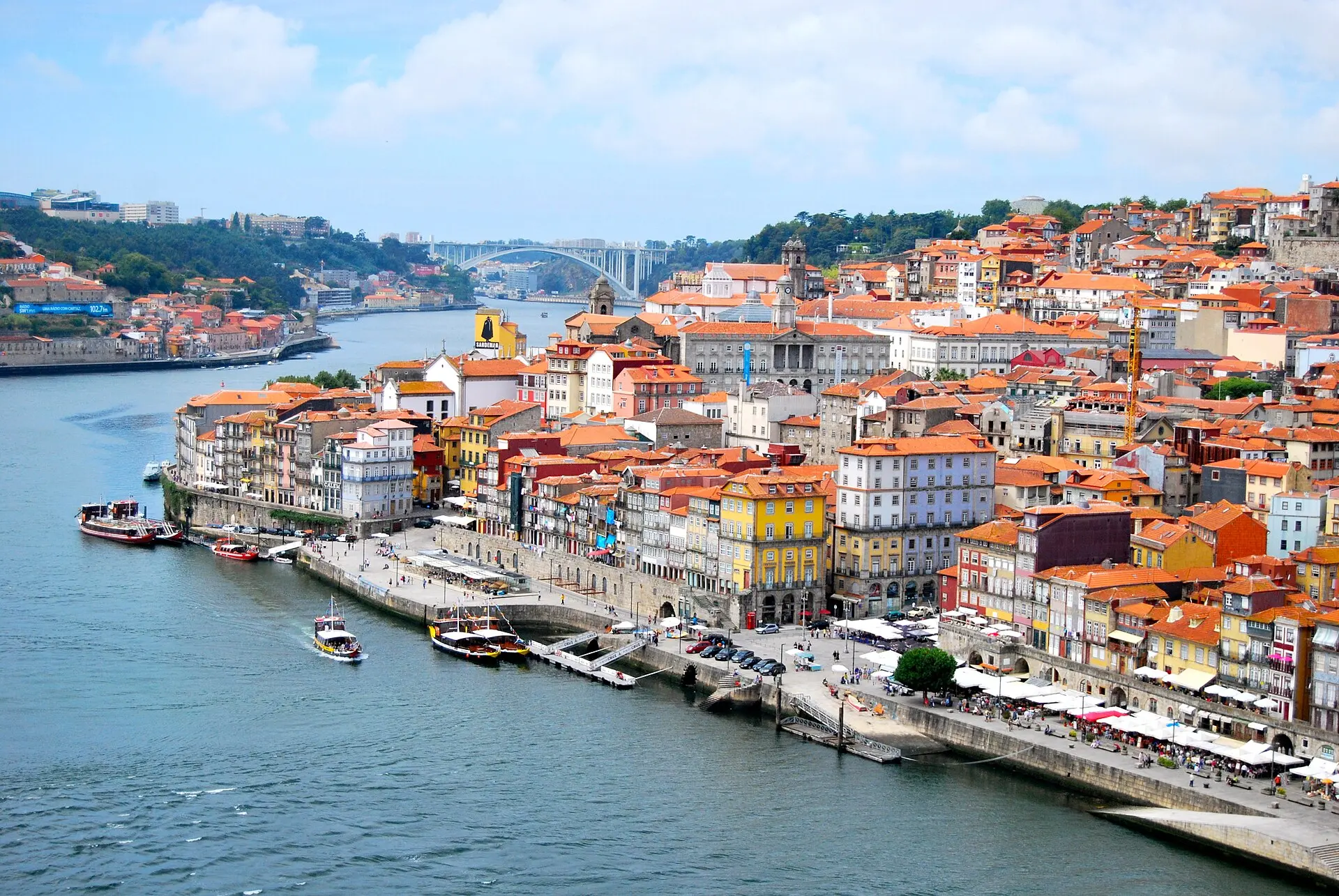
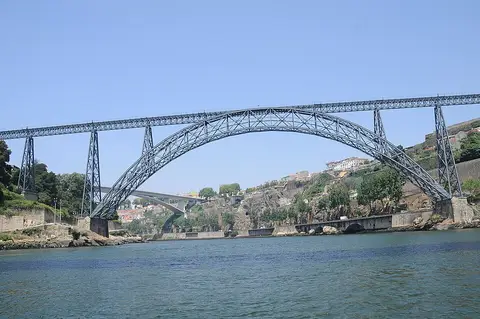
Travel guide · editorialColorful houses are stacked along the steep banks of the Douro, an iron double-deck bridge arches overhead, and across the river barrels of port wine mature in the cellars. Porto, Portugal's second-largest city, is rougher and more down-to-earth than Lisbon, and that is exactly why people love it. A city break in Porto combines a UNESCO-listed old town, azulejo-covered churches, and a cuisine that leaves you full and happy.
The City That Gave Portugal Its Name
The name Portugal comes from Portus Cale, the Roman settlement on the Douro. In the Middle Ages Porto was a trading port, and in the 14th century Henry the Navigator was born here. In the 18th century British merchants made port wine internationally famous; it grows in the vineyards of the Douro Valley and was shipped downriver to the cellars in Vila Nova de Gaia. The locals are called "Tripeiros," or tripe eaters, because according to legend they donated their meat to Henry's fleet in the 15th century and kept only the offal for themselves.
Sights in Porto
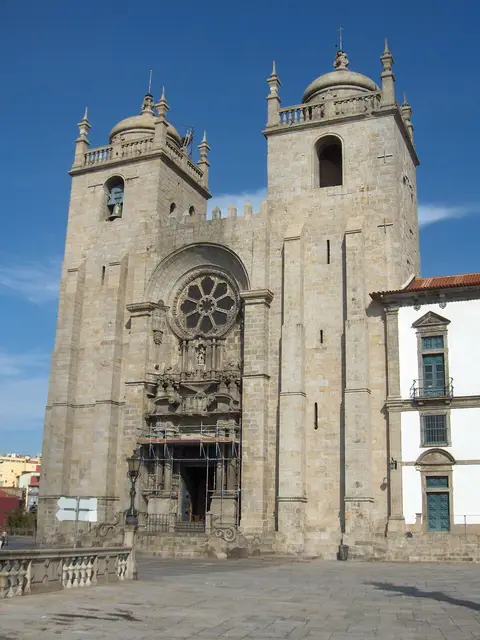
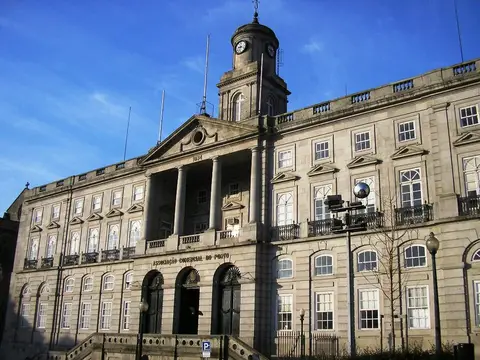
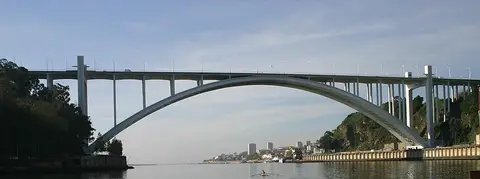
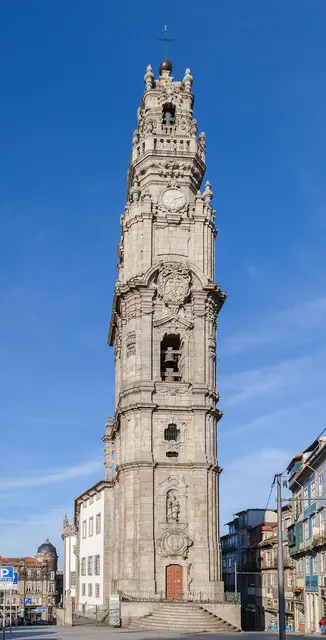
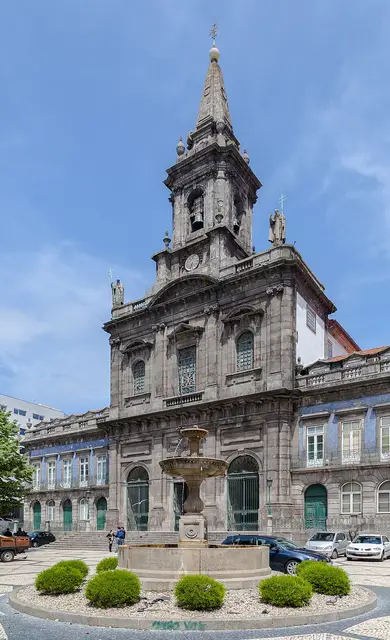
The historic center is a UNESCO World Heritage Site. On the banks of the Douro lies the Ribeira with its cafés, restaurants, and boats, from which cruises to the six bridges depart. The Ponte Dom Luís I, built by a student of Gustave Eiffel, connects Porto with Vila Nova de Gaia; the metro runs on the upper deck, while cars and pedestrians use the lower one. Sé Cathedral, set on a hill, offers sweeping views, and the tower of the Clérigos Church is the tallest landmark in the old town. São Bento station is decorated with more than 20,000 azulejos depicting scenes from Portuguese history. The Church of São Francisco surprises with an interior of gilded wood, and the Palácio da Bolsa with its magnificent Arab Room. The Lello bookstore, with its curved wooden staircase, attracts so many visitors that an admission fee is charged.
Neighborhoods and Culture
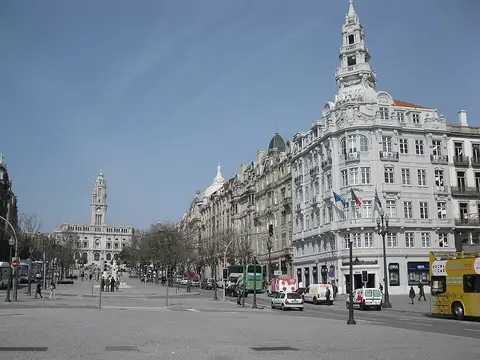
In Cedofeita and along Rua Miguel Bombarda you'll find galleries, design shops, and cafés. The Baixa, with Avenida dos Aliados and Rua de Santa Catarina, is the business district, while Miragaia is a quiet old neighborhood by the river. To the west lies the Serralves Museum, a contemporary art museum with a large park and an Art Deco villa. The Casa da Música, an angular concert hall by Rem Koolhaas, is a landmark of modern architecture. At Foz do Douro, where the river meets the sea, you'll find beaches and a waterfront promenade.
Food and Port Wine
The Francesinha is the city's cult dish: a sandwich with ham, sausage, and steak, topped with melted cheese and smothered in a spicy beer-and-tomato sauce. Other local favorites include tripas à moda do Porto, a tripe and bean stew, as well as bacalhau and bifanas. The Mercado do Bolhão, a historic market hall, has been extensively renovated. In Vila Nova de Gaia, the port wine cellars open their doors for tours and tastings of ruby, tawny, and white port.
Getting Around and Best Time to Visit
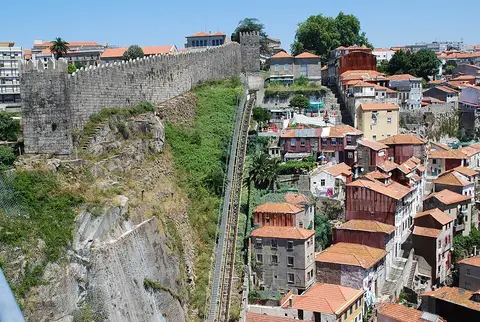
The airport is about 15 kilometers north of the city and connected to the center by metro in half an hour. The metro, historic trams, and buses serve the city, and the Funicular dos Guindais funicular climbs the slope between Ribeira and Batalha. Porto is hilly, so comfortable shoes are essential. The best time to visit is April to June and September to October; winters are often rainy. On the night of June 24, the city celebrates the Festival of St. John with fireworks and plastic hammers that people use to tap each other on the head. Excursions lead to the Douro Valley, where terraced vineyards cling to steep slopes above the river and the wine estates, the quintas, invite you to tastings; trains and tour boats run as far as Pinhão. Guimarães, the "Cradle of Portugal" with its castle and medieval old town, and Braga, with the baroque pilgrimage staircase of Bom Jesus do Monte, are about an hour away by train. If you're after a beach, head to Matosinhos, which is also known for its fish restaurants, where sardines and sea bream sizzle on charcoal grills by the roadside. In the evening, many people head to the Jardim do Morro in Gaia to watch the sunset over the Ribeira.