Beja District: Alentejo Plains and the Wild West Coast
Travel guide · editorialA vacation in the Beja District offers two very different worlds: in the west, the wild Atlantic coast around Vila Nova de Milfontes and Zambujeira do Mar; in the east, the hot, quiet plain of the Lower Alentejo with whitewashed towns such as Serpa, Moura and Mértola. The district is the largest in Portugal by area and one of the most sparsely populated.
Landscape and Location
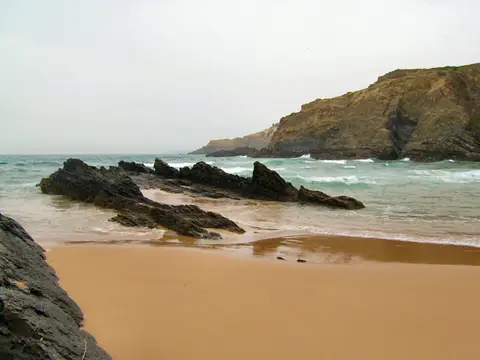
Beja covers the south of the Alentejo, north of the Algarve. In the west, the coast is part of the Southwest Alentejo and Vicentine Coast Natural Park, with steep cliffs, hidden coves and stork nests perched on sea stacks. Inland you'll find the hills of the Serra do Caldeirão, vast wheat plains, olive groves and cork oak forests. In the east, the Guadiana cuts a deep valley, and in the northeast the district reaches the Alqueva reservoir. Summers in the interior are among the hottest in Europe.
The Coast: Milfontes and Odemira
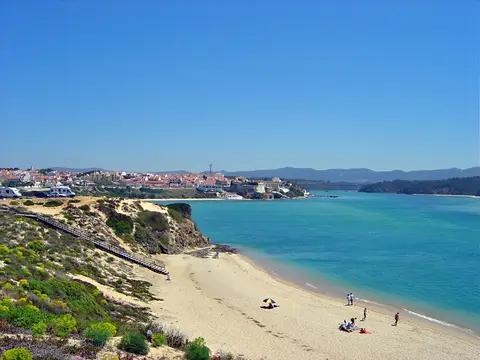
Vila Nova de Milfontes sits at the mouth of the Mira River and is a popular beach resort with beaches on both the river and the open sea. Farther south, São Teotónio and the fishing village of Zambujeira do Mar belong to the municipality of Odemira; in summer, the MEO Sudoeste music festival takes place here. The Rota Vicentina, a network of hiking trails, runs right along the cliff edge on its Fishermen's Trail and counts among the most beautiful coastal hikes in Europe. Inland, extensive greenhouses for growing berries shape the landscape.
Sights in the Interior
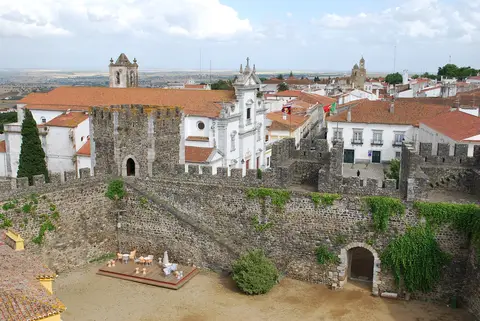
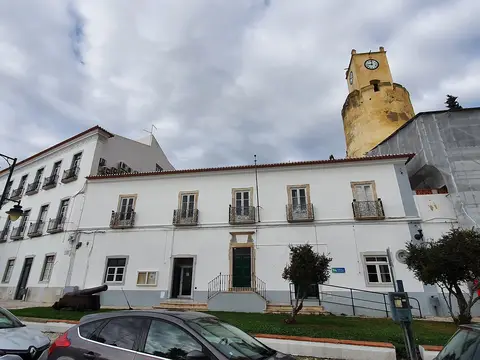
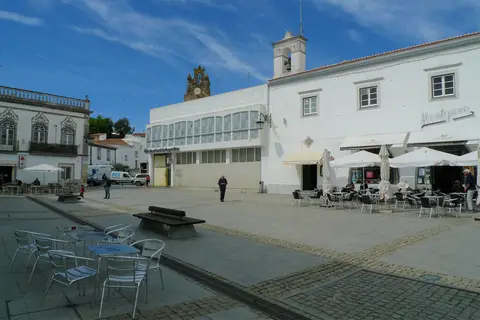
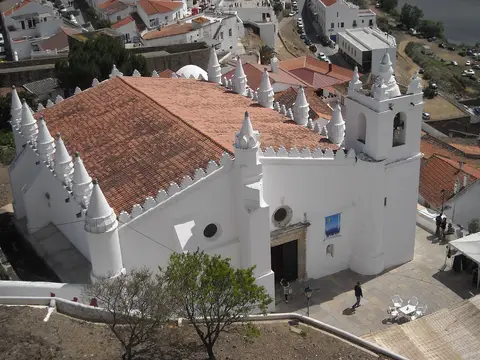
Beja, the district capital, is dominated by the tall keep of its castle. The regional museum in the Convent of Nossa Senhora da Conceição recalls the nun Mariana Alcoforado, to whom the famous "Letters of a Portuguese Nun" are attributed. Mértola on the Guadiana is a museum town: the main church was once a mosque, and small museums everywhere display Islamic and Roman finds. Serpa has an old town with an aqueduct and town walls and is famous for its sheep's cheese. Moura has a Moorish quarter and a castle, and the area is known for its olive oil.
Food and Drink
Queijo Serpa, a creamy sheep's cheese, is eaten with a spoon. Other staples include migas, açorda, lamb, pork from the black Iberian pig, and bread baked in wood-fired ovens. On the coast you'll find fish, shellfish and goose barnacles, which fishermen gather from the cliffs. Some of the wines from Vidigueira are fermented in large clay amphorae in the Roman style. In many villages, men's choirs sing the Cante Alentejano.
Getting There and Best Time to Visit
Beja is reachable from Lisbon in just over two hours via the A2 and IP2; for most places, a car is essential. Beja Airport sees hardly any scheduled service, so most visitors land in Lisbon or Faro. The best time to visit is from March to June and in the fall. On the coast, summer is pleasantly cool, while inland temperatures often climb above 100°F (40°C). In spring, by contrast, the land is green, the fields are full of poppies and daisies, and rare plants that grow only along this strip of coast are in bloom.