Discover Sweden: Archipelagos, Lakes, and Lapland
Travel guide · editorialFor many people, a vacation in Sweden begins with a red wooden house by a lake, and that cliché isn't all that far from reality. The country stretches roughly 1,500 kilometers from the beech forests of Skåne to the fells of Lapland, with nearly 100,000 lakes, two islands steeped in medieval history, and a capital built on 14 islands in between.
Regions and Landscapes: From the Archipelago to the Fell
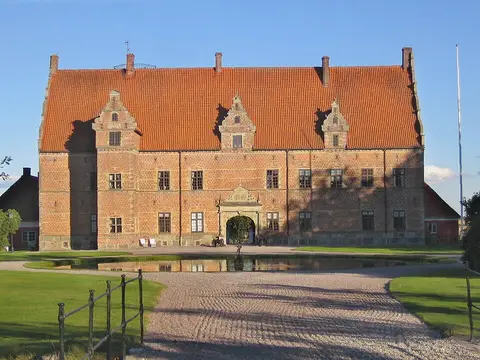
In the south, Sweden is flat and agricultural. Skåne, the province around Malmö and Lund, belonged to Denmark until 1658, and you can still see it in the half-timbered farmsteads, rapeseed fields, and castles. On the west coast, in Bohuslän north of Gothenburg, pink granite skerries push out into the Kattegat, and fishing villages like Smögen and Fjällbacka live off lobster and summer visitors. Småland, the home of Astrid Lindgren, is a land of forests, stone walls, and glassworks; in Vimmerby you'll find the theme park with Emil's farm and Villa Villekulla. Dalarna around Lake Siljan is considered the most Swedish of all the provinces; this is where Dala horses are carved and where Midsummer is celebrated most traditionally.
In the Baltic Sea lie Öland, with its barren limestone steppe, and Gotland, where the ring wall of Visby is almost completely preserved. On the High Coast between Härnösand and Örnsköldsvik, the land is still rising by just under a centimeter a year, a legacy of the last Ice Age. Finally, in the far north, Lapland begins with Abisko National Park, the glaciers of Kebnekaise, and the World Heritage area of Laponia, where the Sami still drive their reindeer between summer and winter pastures. Travel there is also made possible by the right of public access, which allows hiking and camping almost anywhere as long as you show consideration.
Stockholm, Gothenburg, Malmö: The Main Cities
Stockholm is a city best explored from the water. The Old Town, Gamla stan, with its ochre gabled houses, huddles around the Royal Palace; across the water on Djurgården you'll find the open-air museum Skansen and the Vasa Museum, where a warship that sank on its maiden voyage in 1628 is almost completely preserved. City Hall, where the Nobel banquet takes place every year, is also one of the most visited sights in Sweden. On Södermalm, the hilly southern island, you'll find secondhand shops, Fotografiska, and viewpoints like Monteliusvägen. Commuter boats take you to the first islands of the archipelago in an hour; with around 30,000 islands, it lies just off the city.
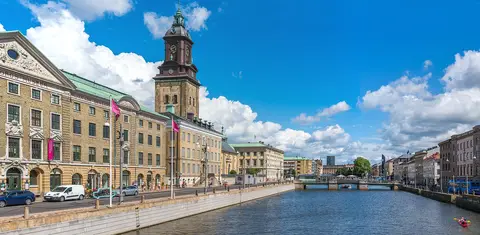
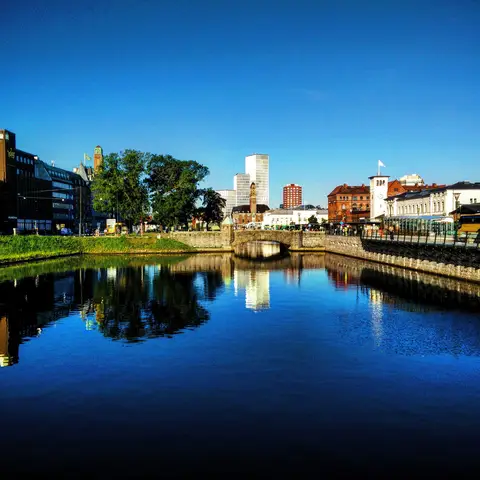
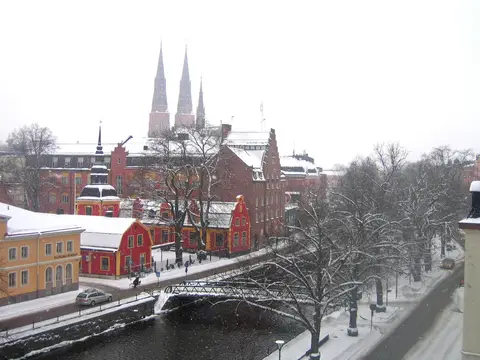
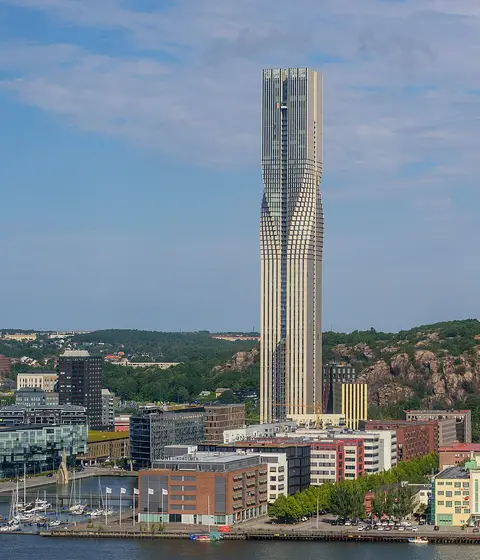
Gothenburg feels more relaxed and has a strong harbor and working-class tradition. Wooden houses with cafés selling enormous cinnamon buns line the Haga district, the Feskekôrka looks like a church but is actually a fish market hall, and the Liseberg amusement park reopens in winter with a Christmas market. Since the Öresund Bridge, Malmö has practically become a suburb of Copenhagen: multicultural and young, with the twisting skyscraper Turning Torso and bathhouses on Ribersborg Beach. Among the destinations in Sweden away from the big cities, Uppsala is worth a visit for its cathedral and the royal burial mounds of Gamla Uppsala, as are the university town of Lund and Kiruna, which is being relocated bit by bit because of iron ore mining – in 2025 even the wooden church was driven to its new site on heavy-duty trucks.
Culture and Customs: Fika, Midsummer, and Lucia
Swedish festivals follow the light. At Midsummer, on the weekend around June 21, a pole decorated with birch leaves is raised, people dance the frog dance, and eat new potatoes with dill and pickled herring. In August come the crayfish parties with paper hats and drinking songs, and on December 13, Lucia choirs dressed in white and wearing candle crowns process through churches, schools, and offices. In everyday life, fika is firmly established: a coffee break with something sweet, observed twice a day at many companies. Design is part of the culture too: from Carl Larsson's house in Sundborn to the furniture stores, the preference for wood, light, and simple forms is felt everywhere.
Food and Drink in Sweden
Köttbullar with lingonberries, cream sauce, and mashed potatoes are the best-known dish, but look more closely and you'll find a cuisine full of fish. Herring is pickled in countless variations and belongs on every smörgåsbord, gravlax is served with dill and mustard sauce, and toast Skagen, shrimp with mayonnaise on fried white bread, is on the menu at every Stockholm restaurant. In the north, people eat reindeer, moose, and cloudberries, and on the coast of Norrland in August, the notorious surströmming, fermented Baltic herring, which is best opened outdoors. In February, the pastry shops bake semlor, yeast buns with almond paste and whipped cream. Only the state-run Systembolaget sells alcohol stronger than 3.5 percent in retail.
Getting There and Getting Around: Ferry, Train, and Car
From Germany, ferries run from Kiel to Gothenburg and from Travemünde and Rostock to Trelleborg; if you come via Denmark, you take the Öresund Bridge or the Helsingør–Helsingborg ferry. You can even get there by train without flying: a night train connects Berlin with Stockholm. The main airports are Stockholm-Arlanda, Gothenburg-Landvetter, and Malmö; you can reach the capital from Arlanda in 20 minutes on the Arlanda Express. Within the country, SJ trains between the big cities are fast, and in summer the Inlandsbanan travels leisurely from Mora to Gällivare. For Småland, Dalarna, or the west coast, a rental car is practical; the roads are quiet, but moose and reindeer like to cross them, especially at dusk.
Best Time to Visit Sweden
For most people, the best time to visit Sweden is between June and August. In Stockholm, temperatures then reach 68 to 77 degrees Fahrenheit, the lakes are warm enough for swimming, and the nights are barely dark; north of the Arctic Circle, in Kiruna for example, the sun doesn't set at all from late May to mid-July. If you want peace and quiet, come in late August or September, when Swedes are back at work and the forests are full of mushrooms and blueberries. For Lapland, December through March is the best bet: near Abisko, the chance of seeing the northern lights is especially high thanks to the often cloud-free microclimate, and in Jukkasjärvi the Icehotel is rebuilt from river ice every winter. From late February on, long, bright days combine with reliable snow, ideal for dogsledding and ski tours.