Discover Stockholm: Gamla stan, Islands and Fika
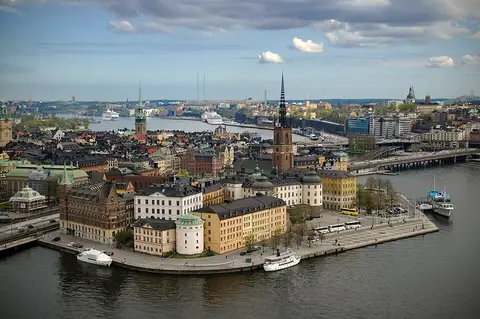
Travel guide · editorialStockholm is built on fourteen islands, where Lake Mälaren meets the Baltic Sea, and water glitters between the buildings everywhere you look. The Swedish capital combines a medieval old town, royal palaces and a design scene that sets standards worldwide. A city break in Stockholm is especially memorable in summer, when the sun barely sets.
From Hanseatic Town to Capital
Stockholm was founded around 1250 to protect the approach to Lake Mälaren, and it rose quickly thanks to trade with the Hanseatic League; German merchants shaped the city so strongly in the Middle Ages that half of the city council had to be made up of them. In 1520, at the "Stockholm Bloodbath," the Danish king Christian II had dozens of Swedish nobles executed, which sparked Gustav Vasa's uprising and led to Swedish independence. In the 17th century Sweden was a great power, and Stockholm grew and gained palaces and churches. Today the city is one of the most innovative in Europe, home to Spotify and many start-ups.
Sights in Stockholm
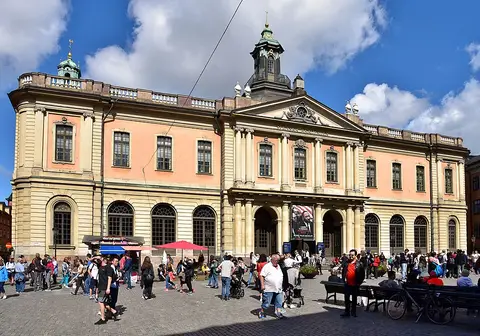
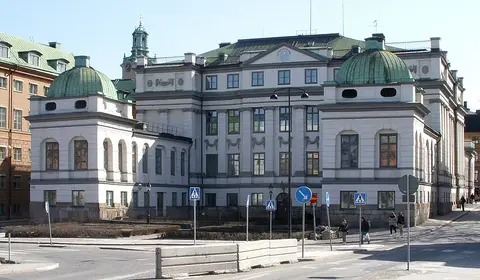
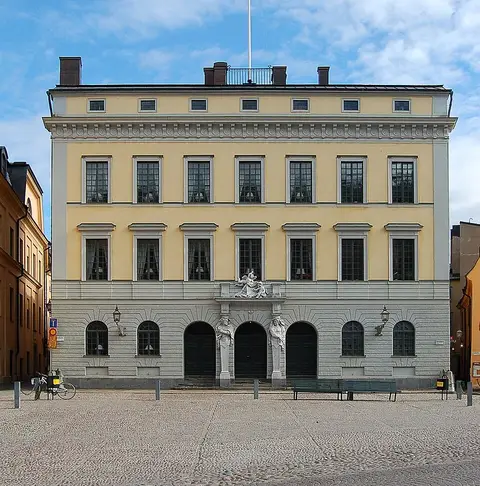
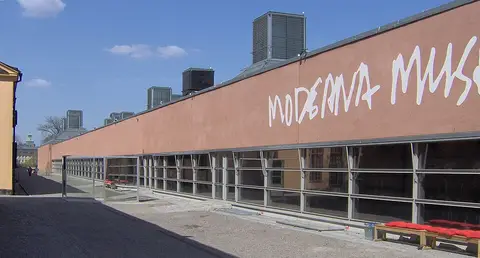
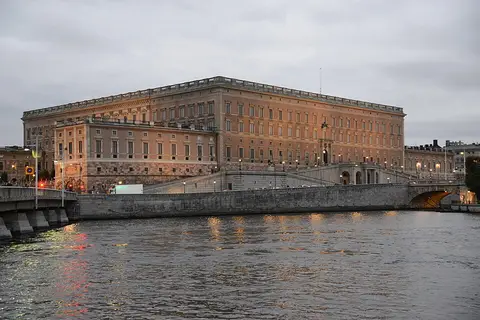
Gamla stan, the old town, is a tangle of cobblestone lanes and ochre and red buildings around Stortorget. Here you'll find the Royal Palace with more than 600 rooms, where the changing of the guard takes place daily, Storkyrkan with its sculpture of Saint George, and the Nobel Prize Museum. The narrowest alley, Mårten Trotzigs gränd, is only about 90 centimeters (3 feet) wide at its tightest point. Stadshuset, the red-brick city hall on the shore of Kungsholmen, is the venue for the Nobel Prize banquet; the tower offers a magnificent view. The island of Djurgården is the museum district: the Vasa Museum displays the warship Vasa, which sank on its maiden voyage in 1628 and was raised almost completely intact in 1961, Skansen is the oldest open-air museum in the world, and the ABBA Museum invites you to sing along. The Moderna Museet on Skeppsholmen shows art from Picasso to Warhol.
Neighborhoods: Södermalm, Östermalm and Vasastan
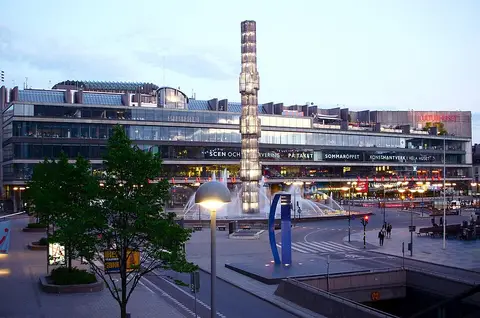
Södermalm, or Söder for short, is the creative neighborhood with vintage shops, cafés and bars; the area south of Folkungagatan, known as SoFo, is especially trendy. From Monteliusvägen you get a classic view over Gamla stan and City Hall. Östermalm is the elegant district with boutiques and the Östermalms Saluhall market hall. Norrmalm is the business center with Sergels torg and the NK department store, and Vasastaden is the quiet residential neighborhood with cafés and Gunnar Asplund's famous Stockholm Public Library. On Kungsholmen, waterfront paths and parks beckon, while the suburbs of Solna, with the Norra begravningsplatsen cemetery and the national arena, and Sundbyberg show how Stockholmers live.
Food and Fika
Fika, the coffee break with pastries, is almost sacred in Sweden, and cinnamon rolls, kanelbullar, are part of it. Classics of Swedish cuisine include köttbullar, meatballs with lingonberries and mashed potatoes, pickled herring, gravlax (cured salmon), and, in late summer, crayfish at the kräftskiva. The smörgåsbord, a large buffet of cold and hot dishes, is served as a julbord at Christmas. Restaurants in Stockholm range from modern Nordic places with Michelin stars to simple fish stands; at Östermalms Saluhall you can get shrimp sandwiches and fish to go. Alcohol other than light beer is sold only in the state-run Systembolaget stores.
Nature, Swimming and Going Out
Stockholm is a green city: roughly a third of its area consists of parks and water, and in summer people swim right in the city, for example from the rocks of Långholmen or at the beach at Smedsudden. The Royal National City Park, Ekoparken, extends with forests and meadows all the way to Djurgården. In the evening, people gather on the terraces of Södermalm, in the bars around Stureplan in Östermalm, or in the pubs of Vasastan. If you come in winter, you can ice-skate on frozen lakes or warm up with glögg at one of the Christmas markets.
Getting Around and Best Time to Visit
Arlanda Airport (ARN) is about 40 kilometers (25 miles) to the north, and the Arlanda Express takes about 20 minutes to reach the central station. The Tunnelbana is an experience in itself: many stations are designed as works of art and are said to form the longest art gallery in the world. Ferries connect the islands, and boats leave from Strömkajen for the archipelago with its roughly 30,000 islands. The best time to visit is from May to September, especially around Midsummer in June. Winter is dark, but the Christmas markets and frozen lakes have their own charm. Day trips lead to Drottningholm, the residence of the royal family, and to the old university town of Uppsala.