Discover Malmö: Turning Torso, Old Town and the Øresund
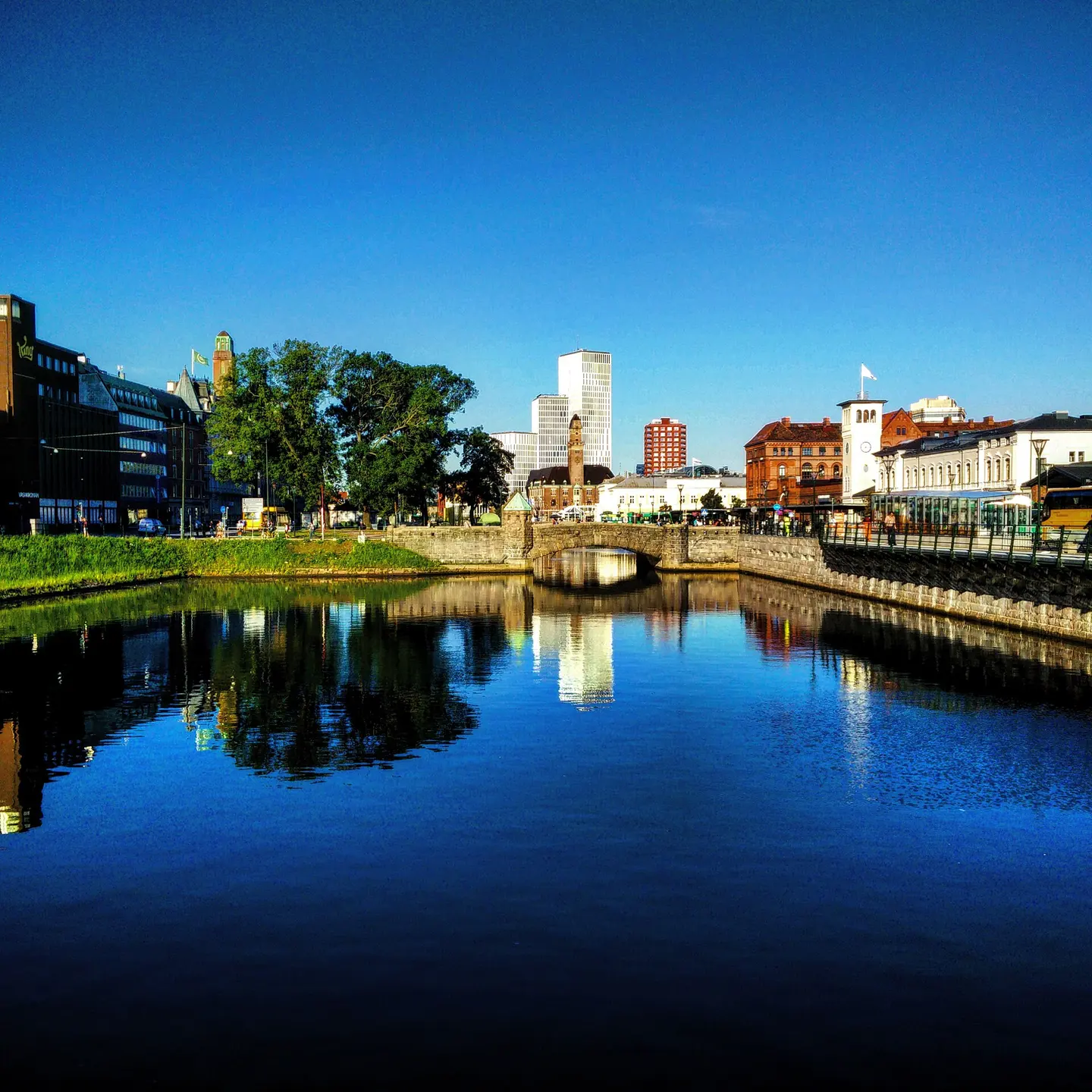
Travel guide · editorialMalmö is just half an hour from Copenhagen by train, yet it's a world of its own: a young, multicultural city with a medieval old town, lovely parks and a twisting skyscraper on the waterfront. Sweden's third-largest city has transformed itself from a shipbuilding town into a center for sustainability and design. A city break in Malmö pairs perfectly with a side trip across the Øresund.
Danish, Swedish, international
In the Middle Ages, Malmö belonged to Denmark and was an important port for the herring trade. It wasn't until 1658 that the city, along with all of Scania, became part of Sweden. In the 19th and 20th centuries, the Kockums shipyard and its enormous cranes defined the city's skyline. After the shipyard crisis of the 1980s, Malmö reinvented itself, with a university, new residential neighborhoods and the Øresund Bridge, which has connected Sweden and Denmark since 2000. Today, almost half of the residents have a migrant background, and more than 150 languages are spoken in the city.
Sights in Malmö
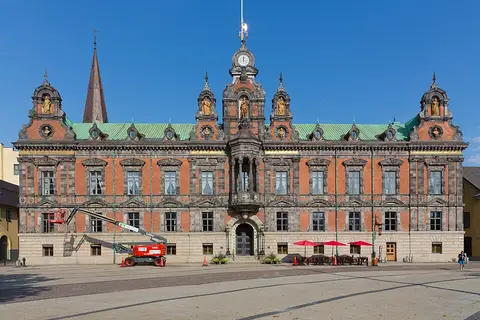
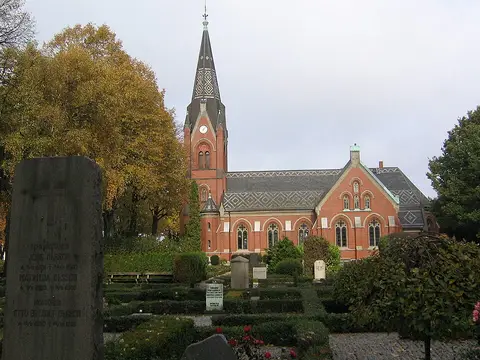
Gamla Staden, the old town, is arranged around three squares: Stortorget with its 16th-century town hall, Lilla torg with its half-timbered houses and restaurant terraces, and Gustav Adolfs torg. St. Peter's Church is one of the oldest brick churches in the region. Malmöhus, a Renaissance fortress, now houses several museums. To the west lies the castle park with its windmill and ponds, and farther along the sea you'll find Ribersborg beach with its cold-water bathhouse, where in winter people jump into the icy sea after a sauna. In Västra Hamnen, the former shipyard site, stands the Turning Torso by Santiago Calatrava, a 190-meter-high residential tower that twists 90 degrees. The district is considered a showcase project for sustainable building.
Neighborhoods and food
Möllevången, or Möllan for short, is the multicultural heart of the city, with a market square, vegetable stalls and inexpensive restaurants from all over the world. Davidshall, south of the old town, is known for its boutiques and cafés, Rådmansvången for its Art Nouveau buildings. In the south, a new district with an arena and shopping center is taking shape in Hyllievång. Malmö's food scene is surprisingly diverse: falafel is almost considered the local national dish, alongside Scanian specialties such as spickegås, smoked goose breast, äggakaka, a thick egg pancake with bacon, and spettekaka, a tower cake made of eggs and sugar. In November, Mårtensafton is celebrated with roast goose. The Malmö Saluhall market hall, housed in an old railway building, offers street food and delicacies.
Parks, beach and culture
Malmö likes to call itself the city of parks: besides the castle park, Pildammsparken with its lake and Folkets Park, Sweden's oldest people's park, invite you to linger. Moderna Museet Malmö shows contemporary art in a former power station, and in summer the city celebrates Malmöfestivalen for a week with concerts and food stalls, with free admission.
Getting around and best time to visit
Copenhagen Airport (CPH) is about 20 minutes away by Øresund train and is often a better choice than the small Malmö Airport (MMX). Trains run at regular intervals across the Øresund Bridge to Copenhagen. In the city, buses and bicycles are the main means of transportation, and Malmö is considered one of the most bike-friendly cities in the world. The best time to visit is from May to September. Day trips lead to Lund with its Romanesque cathedral, to the Kullaberg cliffs or to Ystad, the setting of the Wallander crime novels.