Scania: Sandy Beaches, Castles, and the Öresund Region
Travel guide · editorialScania, called Skåne in Swedish, is the sunny south of the country: rapeseed fields instead of conifer forest, sandy beaches instead of skerries, half-timbered farmsteads, and more castles than any other Swedish region. If you vacation in Scania, you are half an hour from Copenhagen via the Öresund Bridge, yet at the same time in a landscape that belonged to Denmark until 1658. The province of Scania, officially Skåne län, is Sweden's breadbasket and a region for food lovers.
Landscape and Coast
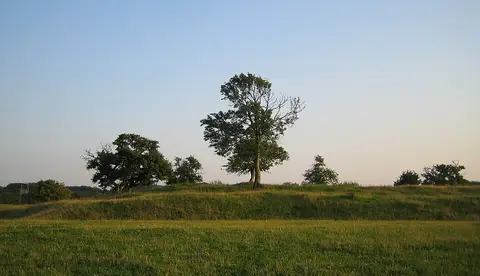
The plain in the southwest is one of the most fertile farming areas in Northern Europe, gently rolling and yellow with rapeseed in May. Toward the northeast the terrain becomes hillier and more wooded, with beech forests and lakes. The coast is varied: in the west, sandy beaches line the Öresund, in the northwest the Kullaberg peninsula juts into the Kattegat with steep cliffs, and in the south long dune beaches stretch along near Ystad and Sandhammaren. Österlen, the area in the southeast, is popular with artists and famous for its apple orchards and its special light. At Kullaberg, trails lead along the cliffs to the Kullens fyr lighthouse, and in summer people climb and kayak in the grottoes and coves of the rocky coast. On the Bjäre peninsula near Båstad, home to a tennis tournament with a long tradition, the sought-after early potatoes grow.
Cities: Malmö, Lund, and Helsingborg
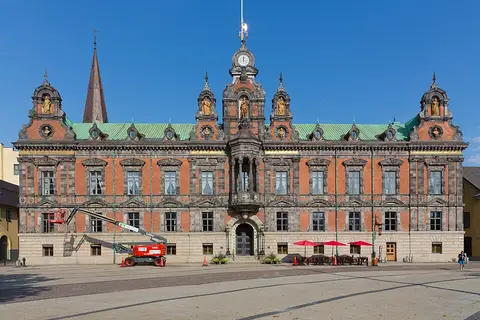
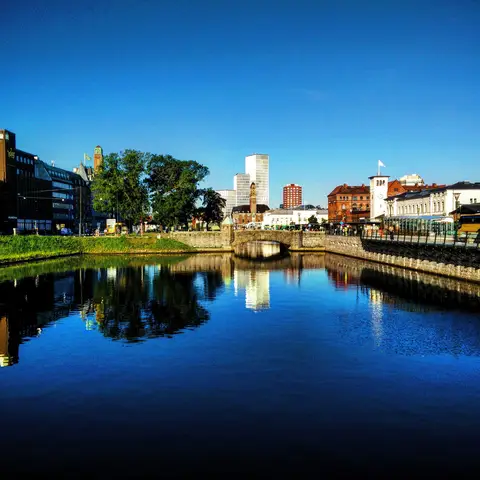
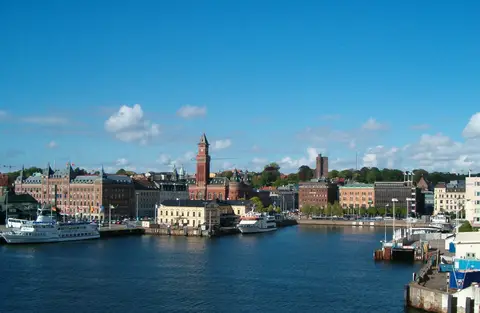
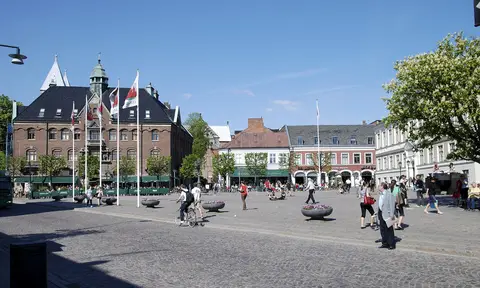
Malmö is Sweden's third-largest city and a multicultural port city. The twisting skyscraper Turning Torso stands in the new Västra Hamnen district, where in summer you can jump into the sea from wooden piers. The old town with Stortorget and Lilla torg, the Renaissance castle Malmöhus, and Ribersborg beach with its cold-water bathhouse all lie close together. Lund, only 15 minutes away by train, is a university town with a Romanesque cathedral and its astronomical clock. Helsingborg looks across the narrowest point of the Öresund to Kronborg Castle in Helsingør; ferries shuttle back and forth every 15 minutes. High above the city stands the medieval tower Kärnan, and not far from it the Sofiero castle park. In Malmö, the Moderna Museet Malmö, housed in a former power station, is also worth a visit, and the market at Möllevångstorget shows the city's multicultural side. Lund draws visitors with the open-air museum Kulturen in the middle of the old town.
Sights in Scania
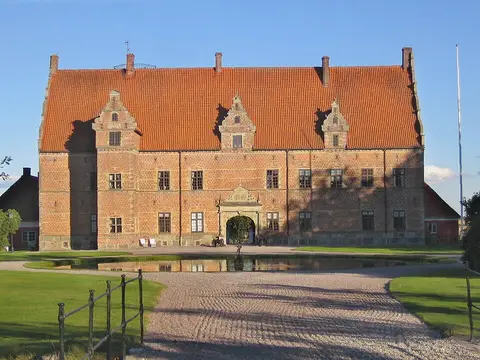
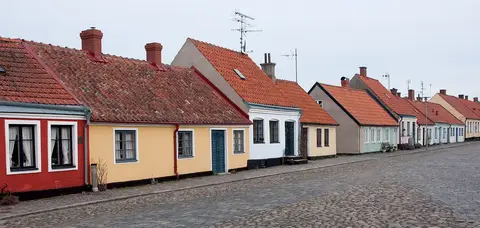
Ystad, hometown of the Wallander crime novels, charms with half-timbered lanes and a monastery church. Not far away, on a cliff near Kåseberga, stand the Ales stenar, a ship setting of 59 stone blocks. Among the loveliest destinations in Scania are also the moated castle Vittskövle, the Renaissance castle Glimmingehus, and Söderåsen National Park with its beech forests and ravine. Kristianstad lies in a biosphere reserve of wetlands along the Helge å river. Landskrona has a citadel and is the port for the island of Ven, where Tycho Brahe did his research. Ängelholm has a long sandy beach, and Trelleborg is a ferry port with connections to Rostock and Travemünde in Germany. In central Scania, lakes and the Skånes Djurpark zoo near Höör invite excursions, and the Holy Cross Church in Dalby is considered the oldest surviving stone church in Scandinavia. On the east coast lies Åhus with its beaches, known for the vodka produced here.
Food and Drink
Scania is regarded as Sweden's pantry. Typical dishes include äggakaka, a thick egg pancake with bacon and lingonberries; spickeål, smoked eel; and, on St. Martin's Day in November, the goose dinner with svartsoppa (black soup). Apples, cider, and must come from Österlen, and farm shops sell asparagus and strawberries. Spettekaka, a towering tree cake made from beaten egg whites, is a regional specialty. In Malmö, a young scene cooks with ingredients from the region.
Getting There and Best Time to Visit
Copenhagen-Kastrup Airport is only 20 minutes from Malmö by train and is often the most convenient gateway; there is also Malmö-Sturup Airport. By car you can arrive via the Öresund Bridge or by ferry from Germany, and trains run from Hamburg via Copenhagen. Öresundståg regional trains serve the region well. The best time to visit is between May and September; the rapeseed blooms in May, and in fall the apple harvest and goose season beckon. Scania is ideal for active travelers: cycling routes such as the Sydostleden and the Skåneleden hiking trail run for hundreds of kilometers through the region.