
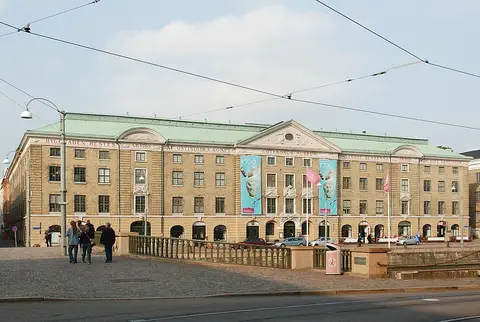
Discover Gothenburg: Canals, Haga and the Archipelago
Travel guide · editorialGothenburg is Sweden's second-largest city and perhaps its most likable: a port city with canals, lively streets and a food scene that has turned seafood into an art form. Gothenburgers are known for being especially humorous and friendly. A city break in Gothenburg combines urban life with excursions to the archipelago right on its doorstep.
A City Modeled on the Dutch
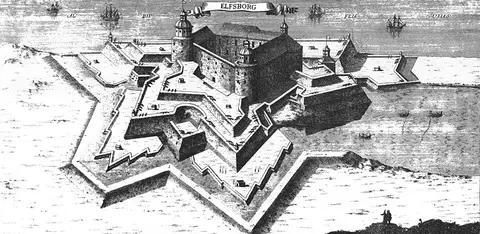
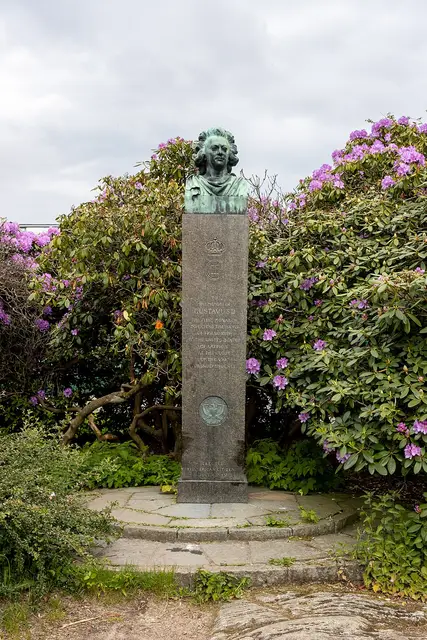
King Gustav II Adolf founded Gothenburg in 1621 as a fortress city at the mouth of the Göta älv in order to secure Sweden access to the North Sea. Because the Swedes themselves had little experience building canal cities, Dutch master builders were brought in, who laid out the center, Inom Vallgraven, with canals and ramparts. In the 18th century, the Swedish East India Company brought tea, porcelain and wealth. Later, shipyards and industry shaped the city, and Volvo was founded here in 1927. The city's 400th anniversary was not celebrated until 2023 because of the pandemic, with festivities that included a new anniversary park and an open-air sauna at the harbor.
Sights in Gothenburg
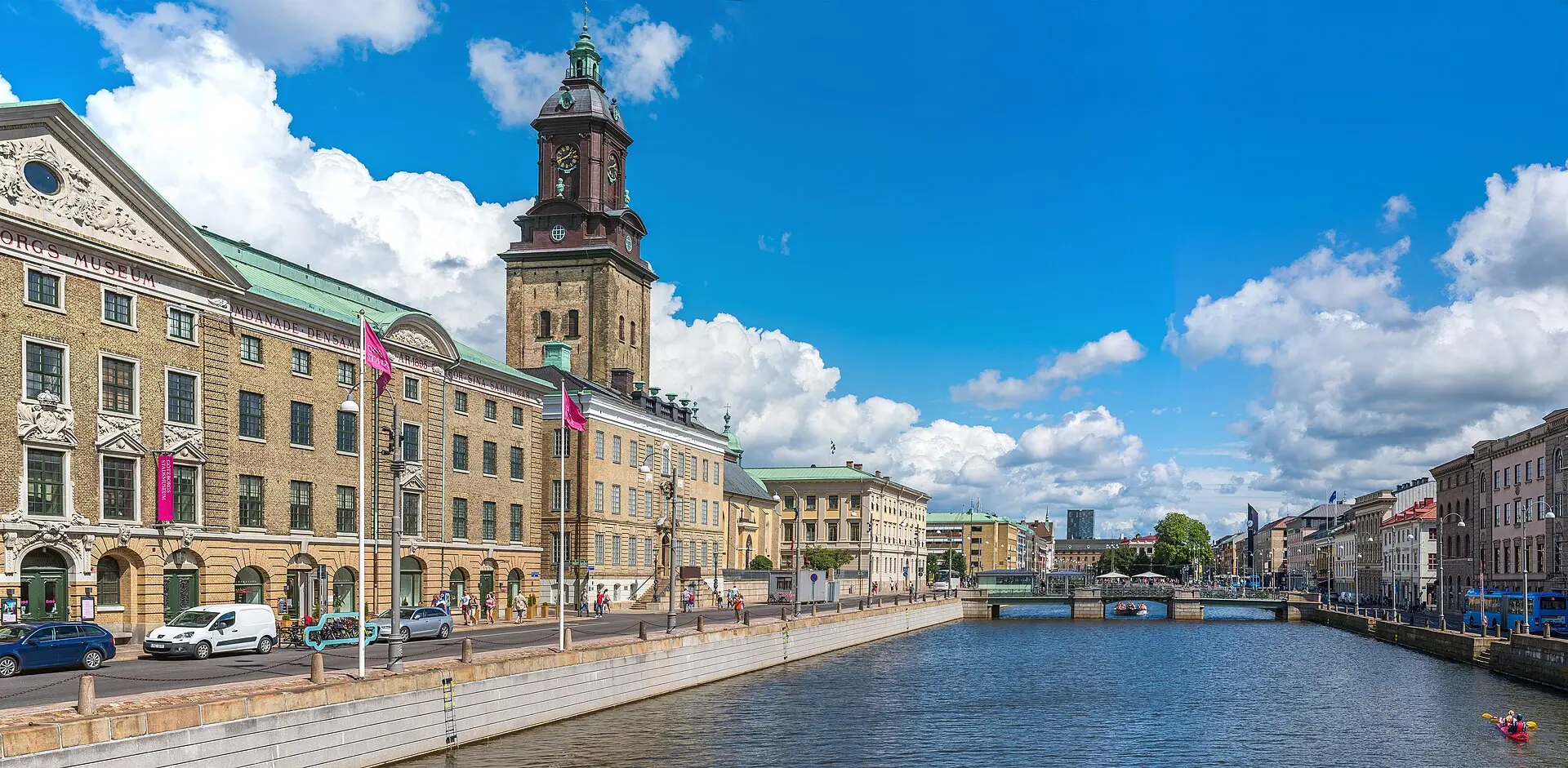
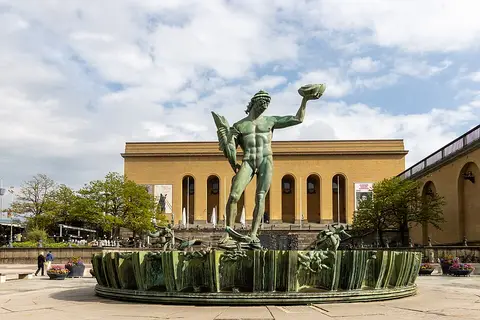
Inom Vallgraven, the inner city within the old moat, is the historic center, with Gustav Adolfs torg and the Stora Hamnkanalen canal, where Paddan boats pass under low bridges, so low that passengers have to duck. The Feskekôrka, a market hall shaped like a neo-Gothic church, has been selling fish and seafood since 1874. Avenyn, the grand boulevard, leads up to Götaplatsen with Carl Milles's Poseidon statue and the art museum, which holds an important collection of Scandinavian painting. The Liseberg amusement park, one of the largest in Scandinavia, offers roller coasters and, in winter, an atmospheric Christmas market. The Universeum, a science center with a rainforest and aquarium, is ideal for families.
Neighborhoods: Haga, Vasastaden and Majorna
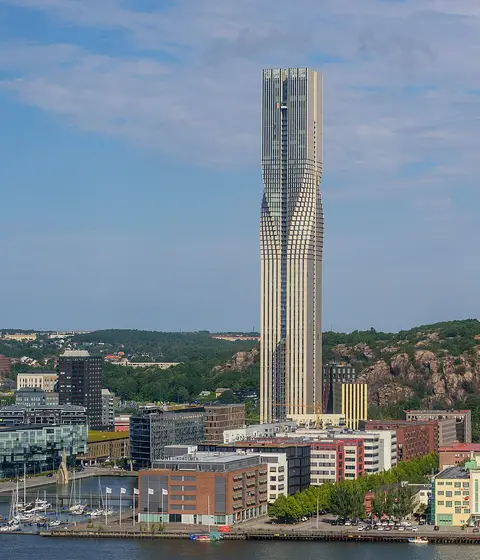
Haga is the oldest suburban district, with wooden houses and cobblestone streets; its cafés serve Hagabullen, giant cinnamon buns. Vasastaden with its Art Nouveau buildings and university buildings, Olivedal with its small cafés and Heden with its large lawns are all part of the lively center. Stampen and Gamlestaden, the original settlement that predates the founding of the city, are currently in transition. On the north side of the river, a new, modern Gothenburg with apartments and tech companies is taking shape in Kvillebäcken and Lindholmen. Majorna and Linnéstaden in the west are relaxed, with second-hand shops, markets and pubs.
Eating in Gothenburg
Gothenburg is considered the capital of Swedish seafood. Crabs, lobster, oysters and shrimp come straight from the west coast, and räksmörgås, the shrimp sandwich, is a must. Several of the city's restaurants have Michelin stars. The Stora Saluhallen market hall on Kungstorget offers regional delicacies. Fika is of course part of the experience, and in the evening Gothenburgers meet in the bars of Linnégatan or at breweries such as those in Majorna.
Getting Around and Best Time to Visit
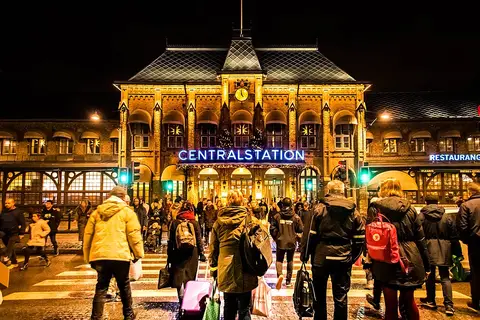
Landvetter Airport (GOT) is about 25 kilometers to the east, and airport buses take roughly 30 minutes to reach the center. Gothenburg has the largest tram network in Scandinavia, and a public transit ticket also covers the ferries to the southern archipelago, to car-free islands such as Styrsö, Vrångö and Brännö. The best time to visit is from May to September, and the Way Out West music festival takes place in August.