Gävleborg: Hälsingland Farmsteads and the Coast of the Gulf of Bothnia
Travel guide · editorialGävleborg encompasses the historic provinces of Gästrikland and Hälsingland and begins just a two-hour train ride north of Stockholm. A trip to Gävleborg leads you to painted farmsteads that are UNESCO World Heritage sites, to a rocky coastline dotted with fishing villages, and into lake-filled forests where moose and bears roam.
Landscape and Location
The province stretches from the Gulf of Bothnia in the east deep into the forested interior in the west. The Ljusnan River winds through Hälsingland, widening into lakes such as Bergviken, and Bollnäs and Ljusdal lie along its banks. The coast is rugged and lined with fishing huts, for example on Hornslandet near Hudiksvall, a peninsula with hiking trails and swimming coves. To the south, the Dalälven River reaches the sea, and in Gästrikland ironworks and lakes shape the landscape. Fishing villages such as Bönan near Gävle have smokehouses, and the lighthouse island of Agö lies off Hudiksvall. In winter, cross-country ski trails around Järvsö beckon. In the west, forests extend all the way to the border with Jämtland and Dalarna; moose, bears, and lynx live here.
Sights in Gävleborg
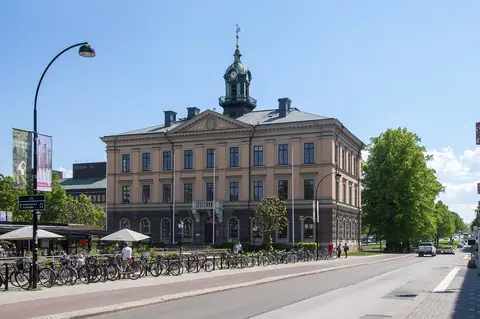
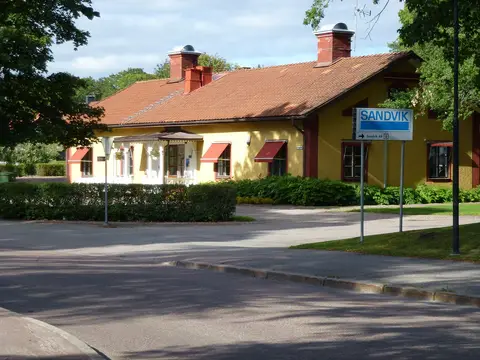
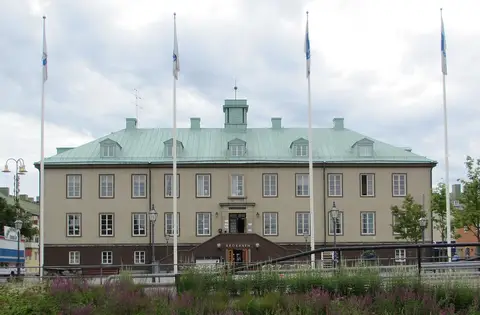
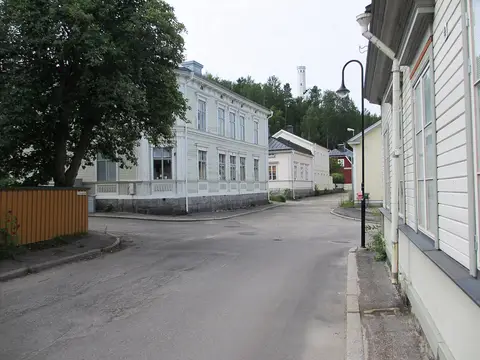
The Hälsingegårdar are richly decorated timber farmsteads from the 18th and 19th centuries, with festive halls adorned with wall paintings; seven of them are UNESCO World Heritage sites, including Gästgivars in Vallsta and Kristofers in Järvsö. Gävle, the largest city, has Gamla Gefle, a neighborhood of colorful wooden houses, and is known for the Gävle Goat, a giant straw goat erected every year during Advent that has gone up in flames more than once. On the edge of town you'll find the Railway Museum, and to the south the Furuvik zoo and amusement park. Hudiksvall is one of the oldest towns in Norrland, with wooden houses and the Fiskarstan fishermen's quarter by the harbor. Söderhamn has the Oscarsborg tower, a viewpoint over the town, while Sandviken, the steel town, draws visitors to the Högbo Bruk recreation area. Järvsö is a popular excursion destination with a bike park, a ski resort, and a wildlife park. In Söderhamn, the F15 Aviation Museum is also worth a visit, and near Bollnäs the Ljusnan invites canoe trips. The south, the old Gästrikland with Hofors and Ockelbo, is forest and lake country with historic ironworks villages.
Culture and History
Hälsingland grew prosperous through flax cultivation and the timber trade, and farmers showed off their wealth with magnificent farmsteads. The region is also known for its folk music; at the traditional Hälsingehambo dance competition, couples dance along the Ljusnan all the way to Järvsö. Gävle was an important port for iron and timber, and the Sandvik works remain a major employer to this day. Many farmsteads were decorated by itinerant painters from Dalarna, whose floral scrollwork and biblical scenes still glow today. On the annual Hälsingegårdar Day in summer, numerous farmsteads open their doors at the same time.
Food, Getting There, and Best Time to Visit
Typical specialties include Hälsingeostkaka, a cheesecake served with cloudberries, Baltic herring from the coast, and bread from wood-fired ovens. Many farmsteads have cafés serving pastries and coffee. Gävle is about an hour and a half from Stockholm by train, and trains continue up the coast to Söderhamn and Hudiksvall as well as inland to Bollnäs. The best time to visit is summer, when the farmsteads are open; during Advent, a visit to the Gävle Goat is worthwhile.