Östergötland: Göta Canal, Monasteries, and Archipelago
Travel guide · editorialÖstergötland lies between Lake Vättern and the Baltic Sea and is one of the most historic regions in Sweden. A vacation in Östergötland means boat trips on the Göta Canal, medieval churches in the fertile plain, one of Scandinavia's largest wildlife parks, and a peaceful archipelago along the coast.
Landscape and Location
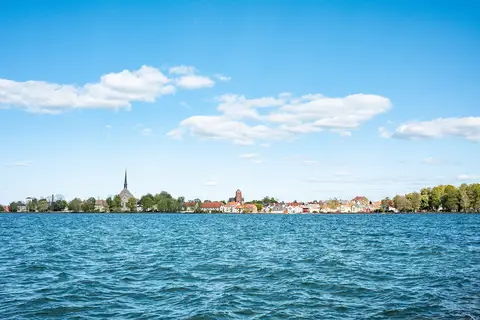
The heart of the province is the Östgöta Plain, one of the country's most important farming regions, dotted with runestones and stone churches. To the west, Lake Vättern with its clear, cold water forms the boundary; to the east, the coast frays into the archipelagos of Sankt Anna and Gryt, among the most beautiful on the Swedish Baltic coast. North and south of the plain, forests and lake country rise up, for example near Finspång, an old center of iron and cannon manufacturing. The Göta Canal crosses the province from Motala to Mem on the Baltic Sea, connecting Lake Vättern with the sea; towpaths run along its banks, and you can bike them.
Cities: Linköping and Norrköping
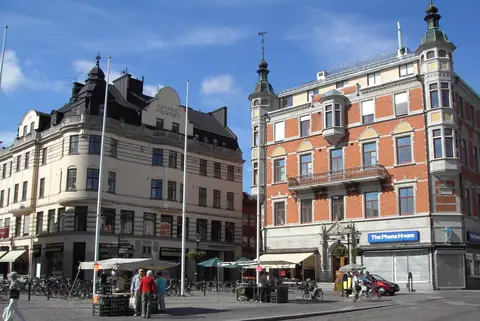
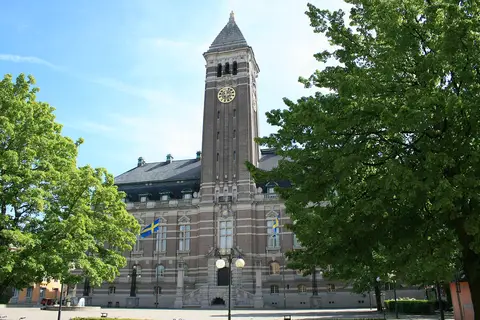
Linköping is a university and aviation city; Saab builds its fighter jets here, and the Swedish Air Force Museum tells the story of the Swedish Air Force. The cathedral is one of the largest in Sweden, and the open-air museum Gamla Linköping has about 90 old wooden houses. Norrköping was the "Manchester of Sweden": the textile mills along the Motala ström have been transformed into an impressive industrial landscape with museums, a concert hall, and waterfalls. North of the city lies Kolmården Wildlife Park, with a dolphin show and a cable car over the safari grounds. Norrköping's Museum of Work, in an old textile building on a river island, shows the city's industrial history, and Motala has a radio museum at the old longwave transmitter.
Sights in Östergötland
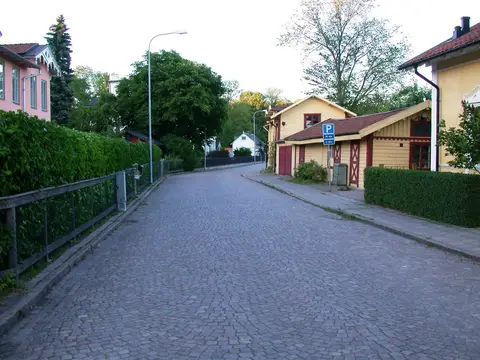
Vadstena on Lake Vättern is a highlight, with its abbey church and Vasa castle: Saint Birgitta founded her order here in the 14th century, and the abbey still shapes the little town today. Motala is considered the capital of the Göta Canal, and its builder, Baltzar von Platen, is buried here. At Berg, seven locks line up like a staircase, where you can watch boats pass through. Near Rök stands the famous Rök Runestone, bearing the longest known runic inscription in the world, and the ruins of Alvastra Abbey at the foot of Mount Omberg recall Sweden's first Cistercian monastery. Omberg itself offers hiking trails with views over Lake Vättern and Lake Tåkern, a well-known bird habitat. Söderköping on the canal is a small town of wooden houses and popular ice cream shops; in Mem, the canal was officially inaugurated in 1832.
Food and Drink
The plain supplies grain, sugar beets, and vegetables, while Lake Vättern yields Arctic char and whitefish. The forests provide elk and wild boar, and in August crayfish with dill are served at the traditional crayfish party. In the archipelago, fish is smoked and herring is pickled. Farm cafés along the canal serve cinnamon buns and waffles. In fall, apples and mushrooms from the forests appear at the markets.
Getting There and Best Time to Visit
Linköping and Norrköping are on the Stockholm–Malmö rail line, and the trip from Stockholm takes about an hour and a half. The small Linköping airport has few connections; Stockholm-Arlanda is usually closer. The best time to visit is summer, when the Göta Canal is in season and the archipelago boats are running.