Södermanland: Castles on Lake Mälaren and the Archipelago Coast
Travel guide · editorialSödermanland, or Sörmland for short, begins just southwest of Stockholm and, with its manor houses, lakes, and beech forests, is considered one of the loveliest landscapes in Sweden. A vacation in Södermanland combines castle visits on Lake Mälaren with summer days in the archipelago near Trosa and Nyköping.
Landscape and Location
The province lies between Lake Mälaren to the north and the Baltic Sea to the south. In between stretches a mosaic of hundreds of lakes, deciduous forests, pastures, and country estates; nowhere else in Sweden is the concentration of manor houses so high. The coast is richly indented and broken up into skerries, and the Stendörren nature reserve near Nyköping connects several islands with suspension bridges. The Sörmlandsleden hiking trail winds through the province for more than 1,000 kilometers. Among the most beautiful lakes is Båven, north of Nyköping, with its islands and swimming spots, and in Lake Mälaren, off Strängnäs, lies Selaön, the largest island in the lake. The archipelago coast between Trosa and Oxelösund invites you to take kayak and island-hopping trips.
Sights in Södermanland
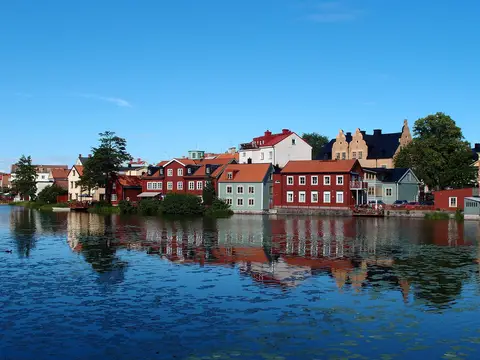
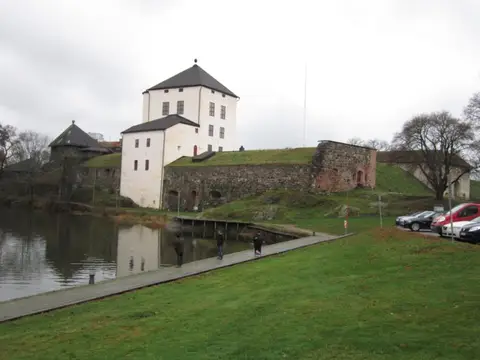
Gripsholm Castle in Mariefred, a Vasa-era fortress with round towers, houses the Swedish National Portrait Gallery and was the setting of Kurt Tucholsky's story "Schloss Gripsholm." You can get there from Stockholm by steamship across Lake Mälaren. Strängnäs, a bishop's seat with a Gothic brick cathedral, sits idyllically on a spit of land. Nyköping, the main town, is home to Nyköpingshus, a castle where, at the notorious banquet of 1317, King Birger had his brothers imprisoned, and they subsequently starved to death. Trosa, the small wooden-house town on the river, is jokingly called "the end of the world" and is a popular excursion destination with cafés and boats. Eskilstuna, the largest city, was a center of metalworking; the Rademacher Forges industrial museum and the Parken Zoo are well visited. Katrineholm, inland, is a railway hub and a starting point for trips to country estates such as Ericsberg and Stora Djulö. In Mariefred, a heritage narrow-gauge railway departs for Läggesta and combines well with the steamer trip. At Ramsundsberget near Eskilstuna, a Viking Age rock carving depicts scenes from the Sigurd saga. The Julita estate near Katrineholm is an open-air museum with a park, gardens, and old breeds of farm animals. Oxelösund is a port and steel town with swimming spots on the rocks.
Food and Drink
Sörmland is known for farm shops and manor restaurants serving game, lamb, and vegetables from the region. The lakes provide pike and zander, and the coast herring and salmon. In many towns, strawberries are sold at roadside stands in summer, and pastry shops such as those in Trosa and Mariefred serve cardamom buns and princess cake. At Taxinge on Lake Mälaren stands a castle known as the "cake castle," which serves dozens of kinds of pastries. In Trosa, smoked fish and ice cream from small producers are also popular.
Getting There and Best Time to Visit
Trains connect Stockholm with Eskilstuna, Strängnäs, Nyköping, and Katrineholm in about an hour. Skavsta Airport near Nyköping is served by low-cost airlines. The best time to visit is between May and September; the meadows bloom in June, and the beech forests turn color in the fall. Many Stockholmers come on weekends to hike, swim, or paddle. Along the Sörmlandsleden there are wind-shelter huts where you can stay overnight for free.