

Discover Great Britain: England, Scotland, Wales
Travel guide · editorialA vacation in Great Britain can mean hopping from museum to museum in London, hiking all day in the Scottish Highlands without meeting a soul, or sipping a pint in a Cornish pub while the rain comes down outside. The United Kingdom is made up of England, Scotland, Wales, and Northern Ireland, and each has its own traditions, dialects, and landscapes. What they share is a sense of humor, politeness in the queue, and weather that is always good for a conversation.
Landscapes from Cornwall to the Highlands
In the southwest of England, the Cornwall and Devon peninsulas stretch far out into the Atlantic, with fishing villages like St Ives, surf beaches, and the high moorland of Dartmoor. The Jurassic Coast in Dorset shows off 95 miles (150 km) of rock arches such as Durdle Door and fossils up to 185 million years old. Farther north you'll find the honey-colored stone villages of the Cotswolds, the hills of the Peak District, and the Lake District, whose lakes and fells inspired the Romantic poets.
Wales is mountainous and green. Eryri National Park, known in English as Snowdonia, is home to Yr Wyddfa, the highest mountain in Wales, and the Pembrokeshire coast has some of the finest walking trails in Britain. Scotland starts gently in the Borders and grows wilder the farther north you go. The Highlands hold Glen Coe, Loch Ness, and Cairngorms National Park, while off the west coast lie the Hebrides, including Skye with its jagged Cuillin mountains. In Northern Ireland, the hexagonal basalt columns of the Giant's Causeway on the Antrim coast make up one of the best-known natural monuments.
London, Edinburgh, and the Big Cities
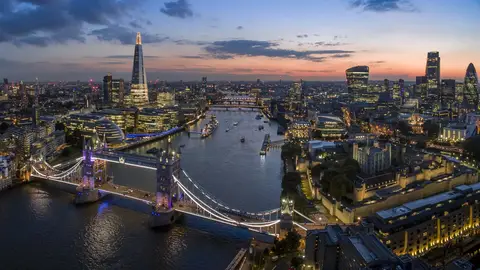
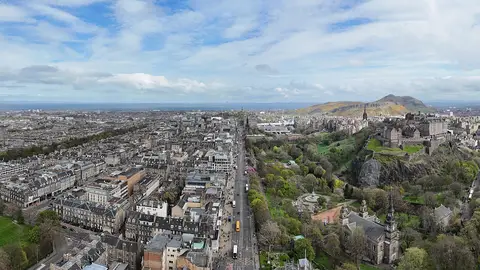
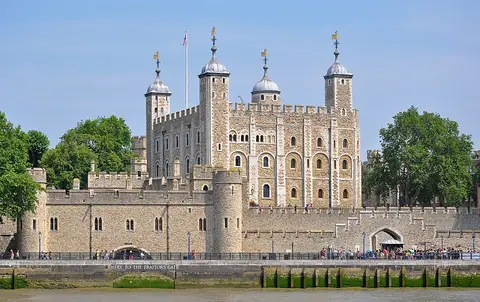
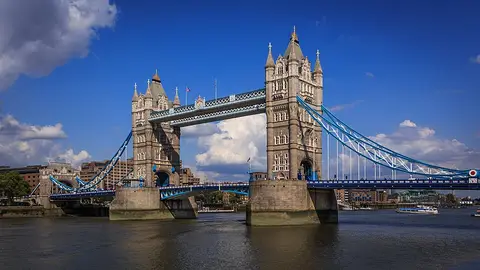
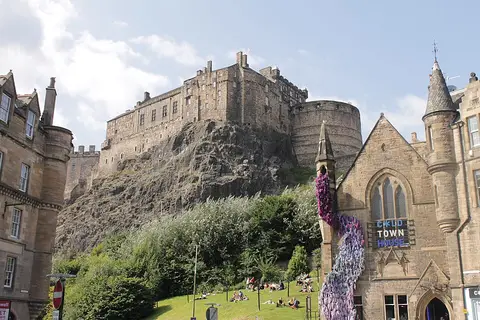
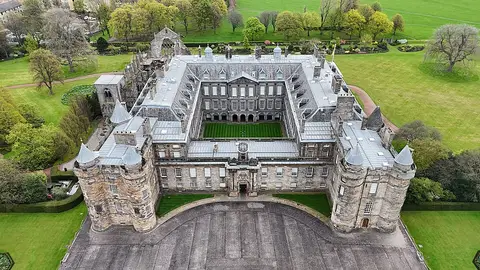
London is one of Europe's largest cities and gathers many of Britain's most important sights: the Tower of London, Westminster Abbey, Buckingham Palace, and the Elizabeth Tower with Big Ben. The British Museum, the National Gallery, and Tate Modern are free. Equally rewarding are the markets in Borough and Camden, the parks, and the pubs along the Thames. Edinburgh, the Scottish capital, sits between the castle rock and Arthur's Seat, with the Royal Mile linking the castle to Holyrood Palace. In August, the Fringe Festival turns the whole city into a stage.
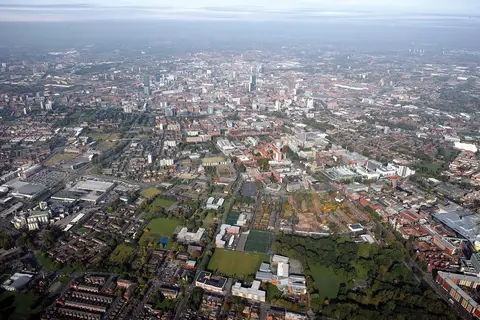
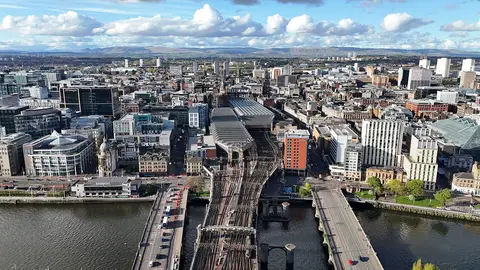
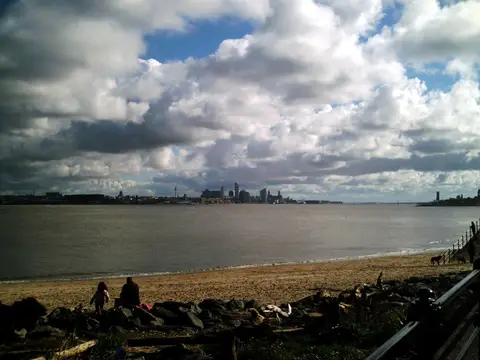
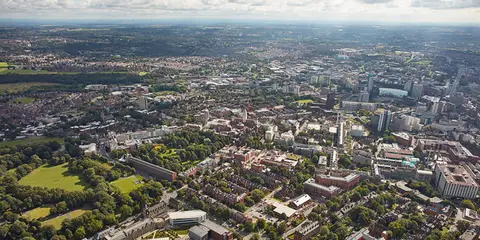
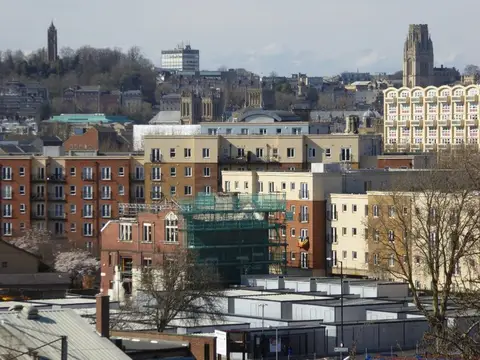
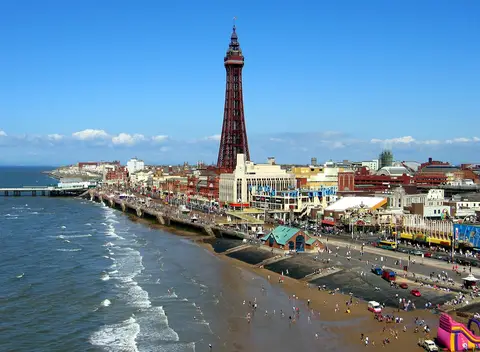
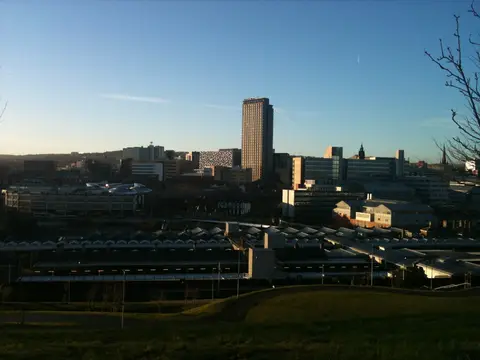
Manchester and Liverpool stand for industrial history, soccer, and music; in Liverpool, the docks and the Cavern Club recall the Beatles. Birmingham has more canals than Venice and is considered the home of the balti curry. Glasgow, Scotland's largest city, has Victorian architecture, buildings by Charles Rennie Mackintosh, and a lively music scene. Leeds and Sheffield in Yorkshire have reinvented themselves since the end of the textile and steel industries, Bristol offers street art and harbor culture, and Blackpool delivers classic seaside fun with its tower and pier. Other Great Britain destinations include York with its Minster, the university cities of Oxford and Cambridge, Georgian Bath, and Cardiff and Belfast.
Culture and History
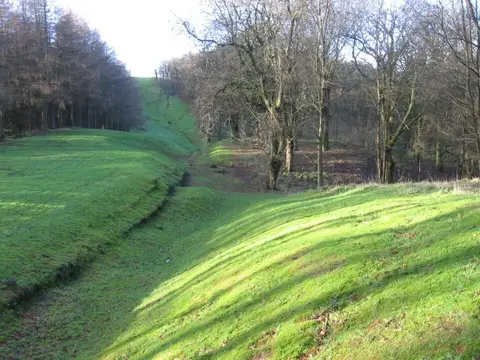
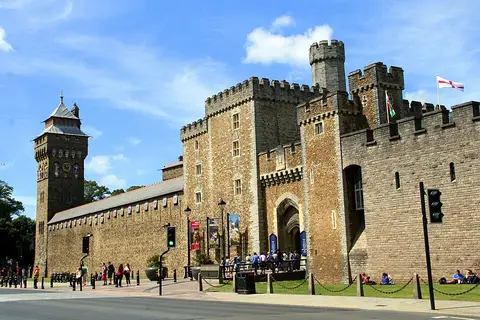
Stonehenge and Avebury tell of the Neolithic era, Hadrian's Wall of the Romans, and the castles of Wales of conquest by English kings. The island later became the center of a world empire, the Industrial Revolution began here, and parliamentary democracy at Westminster served as a model for many countries. Since 2020, the country is no longer a member of the European Union. Today the kingdom is diverse, especially in the cities, where influences from South Asia, the Caribbean, and Africa shape everyday life.
Culture here means theater in London's West End and in Stratford-upon-Avon, Shakespeare's hometown, but also Highland Games with caber tossing, Welsh choirs, and the Eisteddfod, a festival of Welsh poetry and music. Soccer in its modern form was invented in England, and rugby and cricket are every bit as much a passion.
Food and Drink
The cliché of bad British food is long outdated. Fish and chips by the sea, a Sunday roast with Yorkshire pudding at the pub, and an afternoon tea with scones, clotted cream, and jam belong on every visit. In Cornwall you eat pasties, in Scotland haggis with neeps and tatties, in Wales Welsh rarebit, and in Northern Ireland the Ulster fry for breakfast. Indian and Pakistani cuisine is firmly established, and chicken tikka masala is considered by some to be the unofficial national dish. To drink there are ales and bitters on tap, and in Scotland whisky from regions such as Speyside and Islay, plus gin from numerous small distilleries.
Getting There and Getting Around
To enter the country, German citizens need a passport and an electronic travel authorization, the ETA, which is applied for in advance online or via an app. There are direct flights from Germany to London Heathrow, Gatwick, Stansted, Manchester, Edinburgh, and other cities. The Eurostar takes you from Paris or Brussels to London through the Channel Tunnel in roughly two to two and a half hours, while drivers can take the shuttle through the tunnel or a ferry across the English Channel. Within the country, the rail network is dense but expensive; booking early saves a lot. Long-distance buses are cheaper, and for the Highlands, Wales, and Cornwall a rental car is the best option. Traffic drives on the left.
Best Time to Visit Great Britain
The best time to visit Great Britain is from May to September. In southern England, daytime temperatures are then usually between 64 and 75°F (18 and 24°C), a few degrees lower in Scotland. In June it stays light in Edinburgh until after 10 p.m. May and June are often drier than high summer, and in the Highlands there are fewer pests before the midges of July. September brings mellow light and emptier hiking trails. London is worth a trip all year round, and in December Christmas markets and festively decorated streets add to the appeal.