Discover London: Museums, Markets and the Thames Riverbank
Travel guide · editorialJust after 9 a.m., a red double-decker rolls across Waterloo Bridge; to the left the dome of St Paul’s gleams, to the right the Elizabeth Tower with Big Ben rises into view. London can never be taken in all at once, and that is exactly what makes every city break here so rewarding: world-famous museums with free admission, markets serving cuisines from around the globe, and neighborhoods that feel like cities of their own.
Two Thousand Years on the Thames
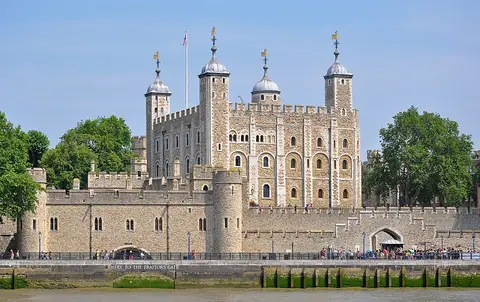
Around the year 50, the Romans founded the settlement of Londinium at a ford on the Thames; remains of their city wall still stand at Tower Hill. After 1066, William the Conqueror had the White Tower built, the core of the Tower of London, where the Crown Jewels are still kept today. The Great Fire of 1666 destroyed large parts of the medieval city, and Christopher Wren went on to rebuild dozens of churches as well as St Paul’s Cathedral. In the 19th century, London became the capital of a global empire and the largest city on earth, and in World War II it survived the Blitz. Today, with residents from nearly every country, the metropolis is one of the most diverse cities in Europe, and on many streets you will hear more languages than just English.
London Sights
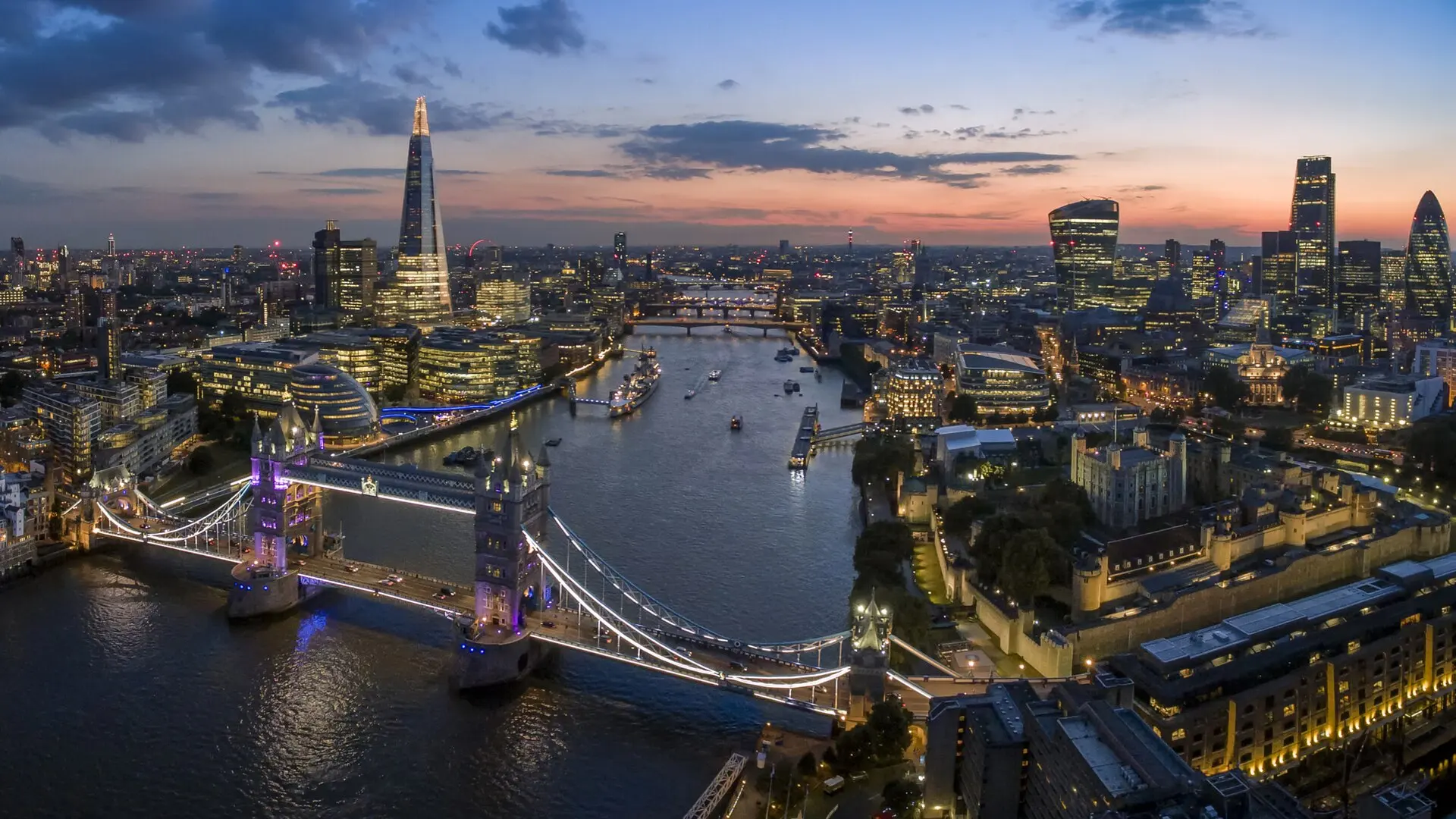
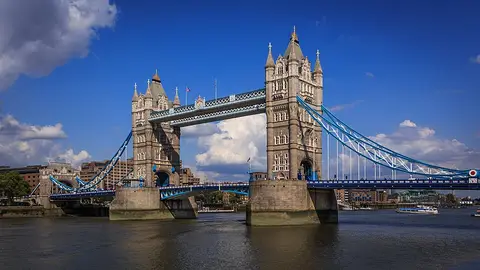
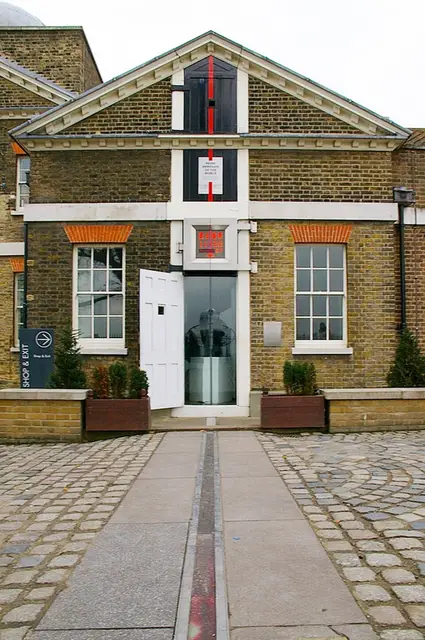
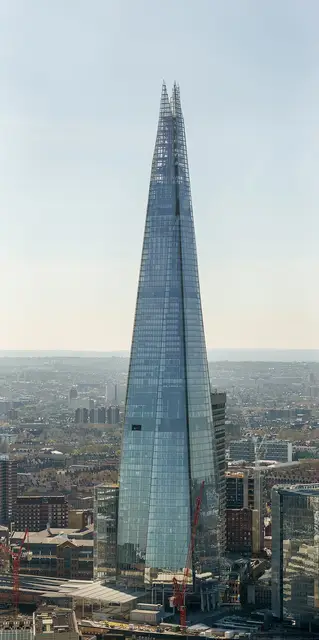
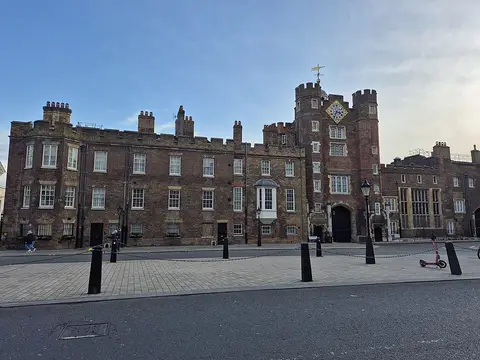
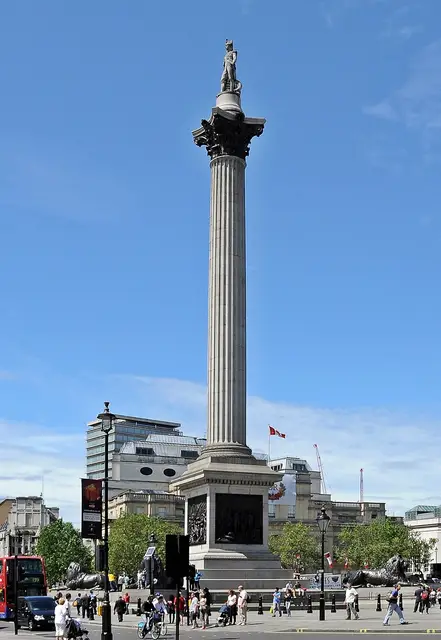
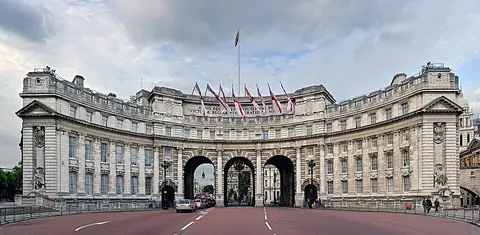
In the City of Westminster, the country’s great symbols stand close together: the Palace of Westminster with Parliament, the Gothic Westminster Abbey, where almost every monarch has been crowned since 1066, and, at the end of the grand avenue The Mall, Buckingham Palace, where the Changing of the Guard takes place regularly. At Trafalgar Square, Admiral Nelson gazes down from his column. Farther east, Tower Bridge with its neo-Gothic towers spans the river, and the glass walkway high above lets you look down on the traffic below. From the London Eye on the South Bank or the viewing platform of the Shard, you can survey the entire city. A ferry takes you to Greenwich, where the Prime Meridian runs through the Royal Observatory and the tea clipper Cutty Sark sits in dry dock.
Museums and Culture
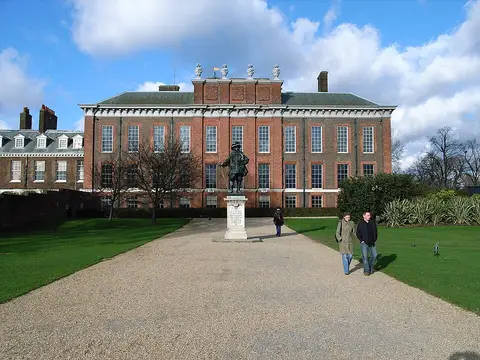
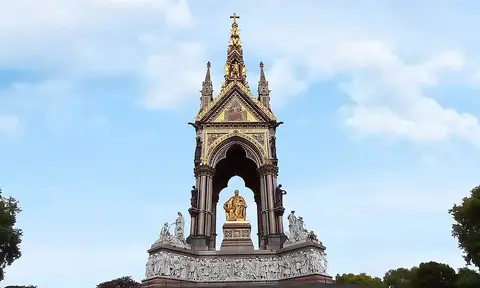
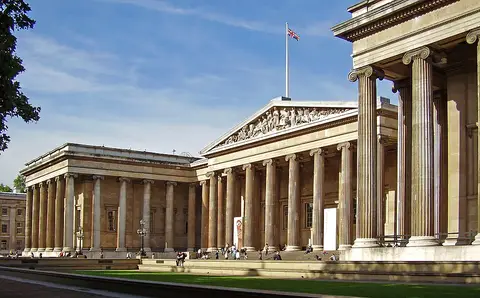
The major national museums are free. The British Museum in Bloomsbury houses the Rosetta Stone, the Parthenon sculptures and Egyptian mummies, while the National Gallery on Trafalgar Square holds paintings from van Eyck to van Gogh. In South Kensington, in the Royal Borough of Kensington and Chelsea, you will find the Natural History Museum with the whale skeleton in its entrance hall, the Science Museum and the Victoria and Albert Museum with design and fashion spanning five millennia. Tate Modern, housed in a former power station in Southwark, shows art of the 20th and 21st centuries. In the evening, the West End theaters beckon with musicals and classics, and Shakespeare’s Globe on the South Bank stages plays in an open-air replica of the Elizabethan theater.
Neighborhoods from Camden to Southwark
London is a city of neighborhoods. Camden in the north, with its market at the locks of Regent’s Canal, is a gathering place for alternative fashion and street food. Islington offers Georgian squares and a lively restaurant scene along Upper Street. In the east, Hackney and Shoreditch have transformed from working-class districts into creative quarters with galleries, breweries and street art, and in Tower Hamlets, Brick Lane, with its Bengali curry houses and vintage shops, defines the scene. South of the Thames, the South Bank promenade links cultural venues, book stalls under Waterloo Bridge and pubs, and in Lambeth you will find Brixton with its Caribbean-flavored market. Notting Hill in the west is known for its colorful houses and the antiques market on Portobello Road.
Eating in London
The days when London’s food had a bad reputation are long gone. Borough Market in Southwark, one of the city’s oldest food markets, draws crowds with stalls selling cheese, oysters, bread and street food. The classics include fish and chips, a Sunday roast with Yorkshire pudding at the pub, and afternoon tea with scones, clotted cream and cucumber sandwiches. Indian cuisine has a long tradition in London, as does Chinese food in Chinatown near Leicester Square and Lebanese food on Edgware Road. In recent years, food halls such as those in Spitalfields and Seven Dials have been added, and many top chefs run restaurants in Mayfair and Soho.
Going Out and Green London
Soho is the classic nightlife district, with bars, jazz clubs and theaters, while Shoreditch and Dalston have a young club scene. A pint at the pub is part of the experience, and many pubs date from the 18th and 19th centuries. For a breath of fresh air, there are the royal parks: Hyde Park with the Serpentine lake, Regent’s Park with its rose garden and the hill of Primrose Hill, Greenwich Park, and Hampstead Heath, where you can swim in the ponds. Kew Gardens in the west is a UNESCO World Heritage Site.
Getting Around London and the Best Time to Visit
The airports Heathrow, Gatwick, Stansted, Luton and London City connect the city with the whole world; Heathrow is quickly reached via the Elizabeth Line and the Heathrow Express, and Eurostar trains run from St Pancras to Paris in just over two hours. In the city, the Underground, buses and the Elizabeth Line are the best ways to get around; you pay contactless with a card, and a daily cap limits your costs. The best time to visit is late spring and early fall, when the weather is mild and the parks are green; in December, lights adorn the shopping streets.