Discover Bournemouth: Sandy Beaches, Chines and Coast
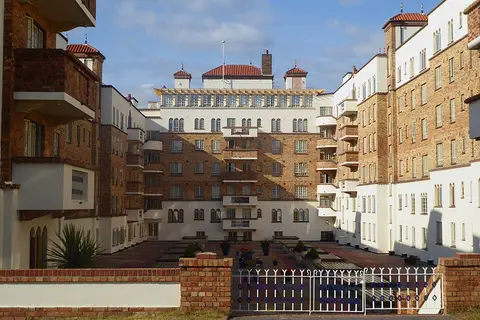
Travel guide · editorialEleven kilometers of golden sand, lined with pines and cliffs – a rarity on England's otherwise rather rocky south coast. A vacation in Bournemouth combines classic seaside fun with Victorian gardens, small ravines leading down to the sea, and excursions to one of the most spectacular coastlines in Europe.
A Seaside Resort from Nothing
At the beginning of the 19th century, the area was an empty heathland. In 1810, Lewis Tregonwell built a summer house here, and doctors soon praised the mild climate and pine-scented air for people with lung ailments. With the arrival of the railway, health-seeking visitors came from London, and Bournemouth quickly grew into an elegant seaside resort with hotels, gardens and a pier. Famous guests such as Robert Louis Stevenson wrote here; Stevenson, for instance, penned parts of "Dr. Jekyll and Mr. Hyde." Mary Shelley, the author of "Frankenstein," is buried in St Peter's Church, reportedly together with the heart of her husband Percy. Today Bournemouth forms a joint administrative unit with Poole and Christchurch and is also a university town with many language schools.
Sights in Bournemouth
Bournemouth Pier juts far out into the sea, and from its end you can zip back to the beach on a zip line. Just beyond it begin the Lower Gardens, Victorian parkland that stretches along a stream into the town center. The Russell-Cotes Art Gallery and Museum, a magnificent clifftop villa, houses art and souvenirs from around the world collected by a hotelier couple on their travels. To the east lies Boscombe Pier, a meeting point for surfers, and the promenade leads all the way to Hengistbury Head, a nature reserve with colorful beach huts. Typical of the area are the chines, narrow wooded ravines that lead down from the cliffs to the beach.
Eating and Going Out
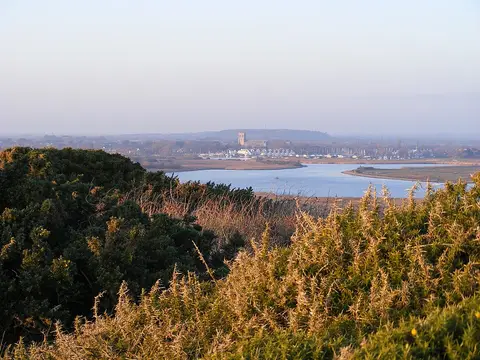
On the beach you can get fish and chips and ice cream; in the restaurants around the pier and in Westbourne you'll find fresh fish from the English Channel and oysters from Poole Harbour. The town center with its bars and clubs is lively on weekends thanks to the many students and language-school visitors. In summer, concerts are held in the gardens, and on mild evenings many people sit on the terraces above the cliffs with a glass of cider as the sun sets over Poole Bay. Christchurch to the east draws visitors with its medieval priory and pubs by the harbor.
Excursions to the Jurassic Coast
To the west begins the Jurassic Coast, a UNESCO World Heritage Site where rocks and fossils tell the story of about 185 million years of Earth's history. A chain ferry takes you from Sandbanks across to Studland, where the chalk stacks of Old Harry Rocks rise from the sea. From Poole Harbour, boats run to Brownsea Island, home to red squirrels and the site of the world's first Scout camp in 1907. Farther west you'll find the natural rock arch of Durdle Door and Lulworth Cove.
Getting There and Best Time to Visit
Bournemouth Airport mainly serves vacation flights; the train to London Waterloo takes about two hours. The best time to visit is from June to September, when the sea is at its warmest; spring and fall are well suited to coastal walks.