
Discover Liverpool: The Beatles, the Docks, and Soccer
Travel guide · editorialAtop the Royal Liver Building, two copper birds watch over the Mersey – legend has it that if they ever flew away, Liverpool would fall. A city break in Liverpool takes you to the roots of the Beatles, to restored docks with world-class museums, to two mighty cathedrals, and to stadiums full of passion.
A Port City with World History
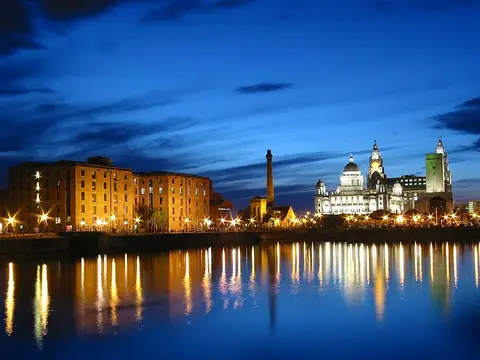
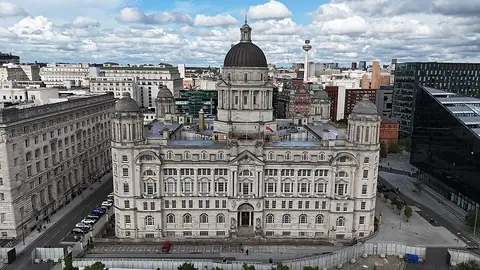
In the 18th and 19th centuries, Liverpool was one of the most important ports in the world. Cotton, sugar, and tobacco passed through it, as did a large share of the transatlantic slave trade; the International Slavery Museum at Albert Dock confronts this legacy in a powerful way. Millions of emigrants set off from here for America. At Pier Head stand the Three Graces, three magnificent early 20th-century office buildings, led by the Royal Liver Building with its clock towers. The waterfront lost its World Heritage status in 2021 because of new development projects, but it has kept its impact.
Sights in Liverpool
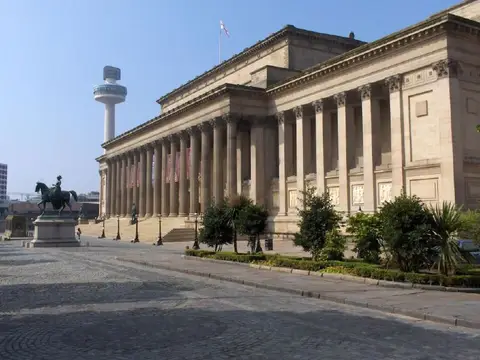
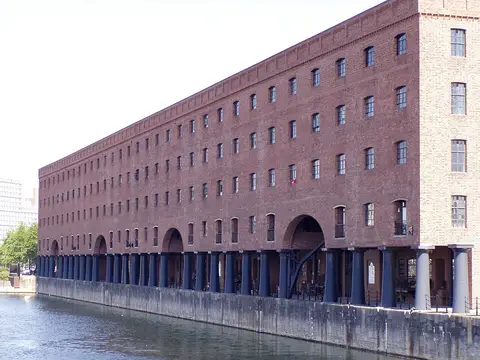
Royal Albert Dock, an ensemble of brick and cast-iron warehouses dating from 1846, is home to restaurants, the Merseyside Maritime Museum, and The Beatles Story, which tells the band's story from their first gigs to their solo albums. On Mathew Street stands a replica of the Cavern Club, where the Beatles played nearly 300 times, and bands still perform there every day. The Anglican cathedral is the largest church in Britain, and its tower offers wide views; at the other end of Hope Street rises the modern Catholic cathedral, nicknamed Paddy's Wigwam because of its shape. The Walker Art Gallery and the World Museum are located near Lime Street station, beside the neoclassical St George's Hall.
Soccer, Food, and Nightlife
Soccer is a religion here: Liverpool FC plays at Anfield, where fans sing "You'll Never Walk Alone" before every match; Everton moved into a new stadium at Bramley-Moore Dock in 2025. The signature dish is scouse, a stew of meat, potatoes, and vegetables, which is also where locals get their name, Scousers. For a night out, many head to Bold Street, with its cafés and international cuisine, and to the Baltic Triangle, a former warehouse district with bars, street food halls, and clubs. Around Concert Square and Seel Street, the party goes on late into the night.
Neighborhoods and Culture
The Georgian Quarter around Hope Street, with its townhouses, theaters, and the Philharmonic Dining Rooms, a magnificent Victorian pub, is one of the city's most elegant neighborhoods. The university and the Liverpool Philharmonic shape the cultural scene, and the Everyman Theatre stages new British plays. To the north of the docks, a new district is taking shape around the Everton stadium, while to the south a waterfront promenade stretches all the way to Otterspool Park.
Getting There and Best Time to Visit
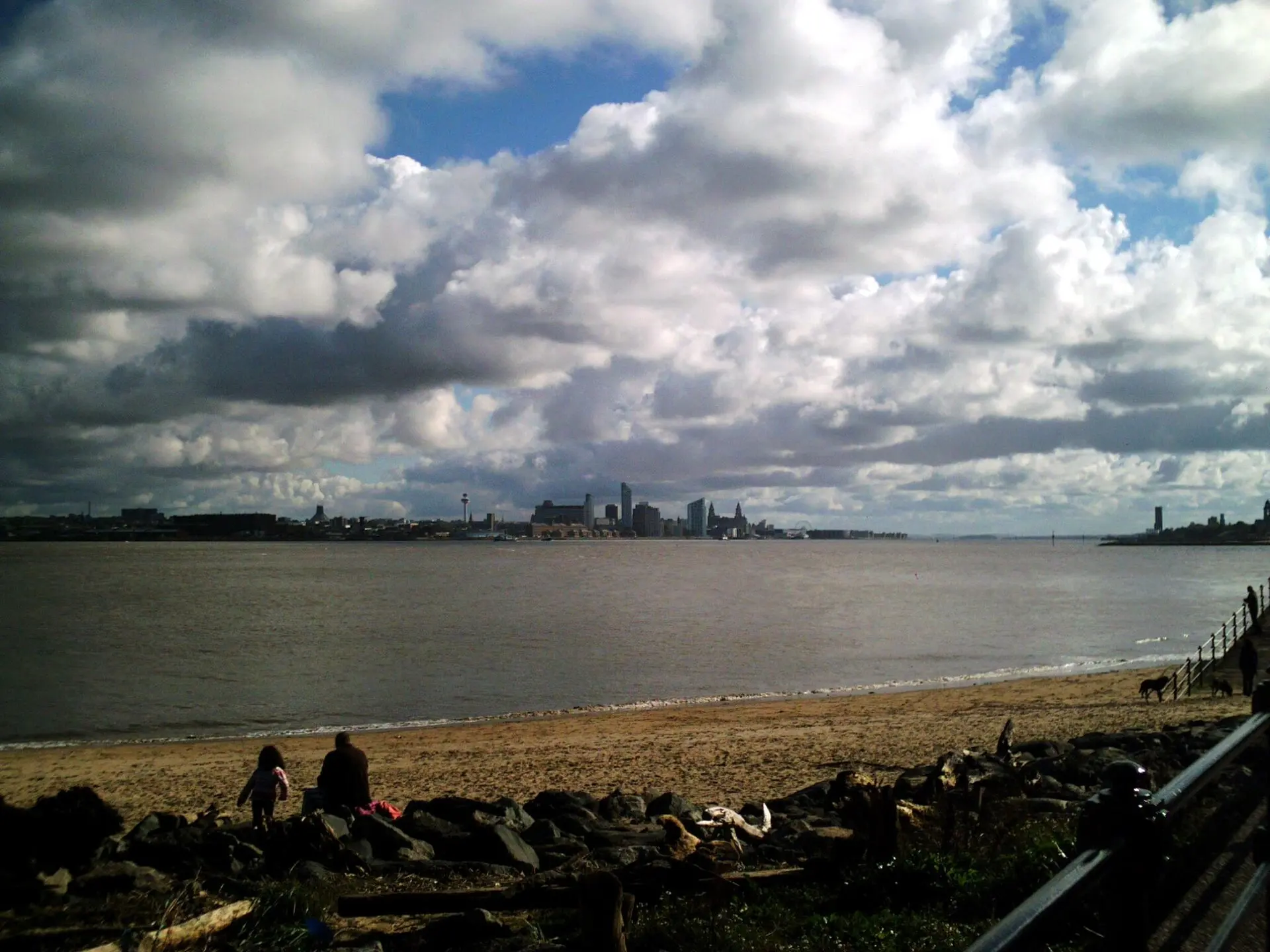
Buses run from Liverpool John Lennon Airport to the city center, and by train you can reach London in just over two hours and Manchester in about 45 minutes. The ferry across the Mersey to the Wirral offers the best view of the skyline. The best time to visit is from May to September; at the end of August, the city celebrates a Beatles week with concerts.