Scotland: Highlands, Islands, and Historic Cities
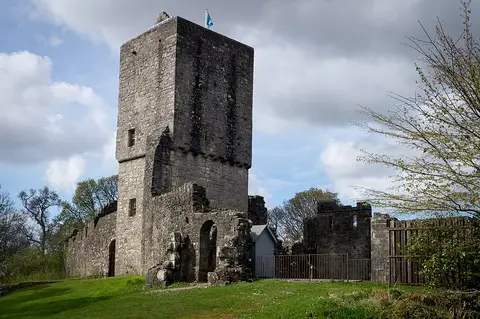
Travel guide · editorialMist over a loch, a ruined castle on a rocky outcrop, the sound of bagpipes somewhere in the distance – Scotland lives up to its picture-postcard image, but it also surprises with confident cities and a lively cultural scene. A vacation in Scotland takes you from Edinburgh and Glasgow up into the Highlands and out to the Hebrides. The north of Great Britain is sparsely populated, and that is exactly what makes it so appealing.
Highlands, Lochs, and Islands
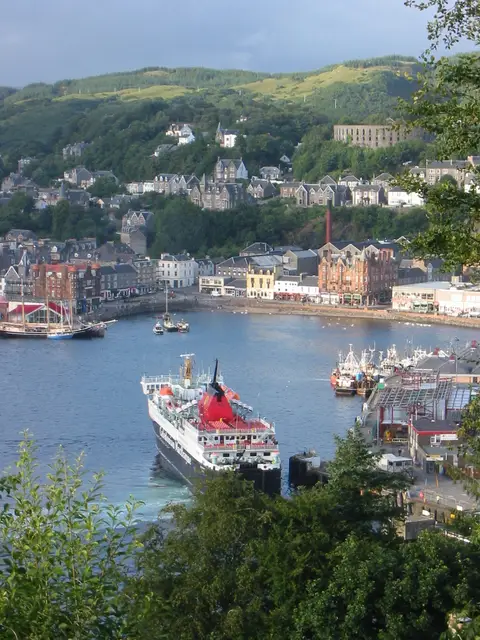
The Highland Boundary Fault roughly divides the country into the flatter, more densely populated Lowlands and the mountainous Highlands. Near Fort William, Ben Nevis rises to 1,345 meters, the highest mountain in the British Isles. Glen Coe with its steep slopes, the chain of lochs in the Great Glen including Loch Ness, and the Cairngorms, Britain's largest national park, are among the most impressive landscapes in Europe. On the west coast, the land frays into sea lochs, and offshore lie the Inner and Outer Hebrides: Skye with the rock pinnacles of the Old Man of Storr, Mull, Islay, and Lewis and Harris with their pale sandy beaches. Farthest north are the Orkney and Shetland Islands, which have a stronger Scandinavian character than the rest of the country.
Edinburgh, Glasgow, and Scotland's Other Cities
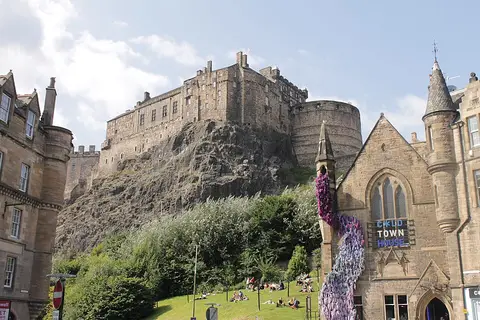
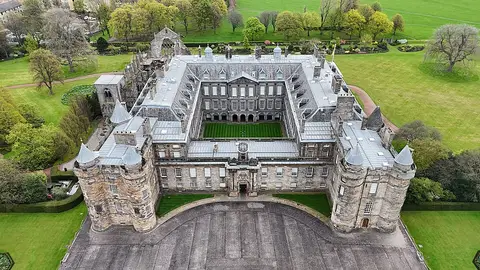
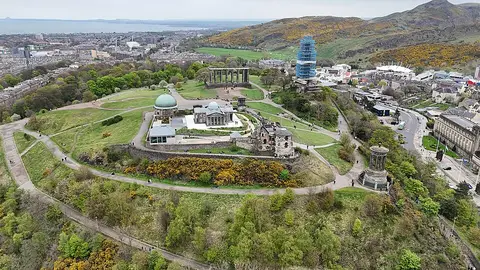
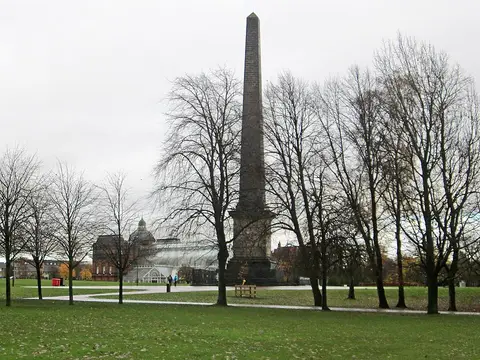
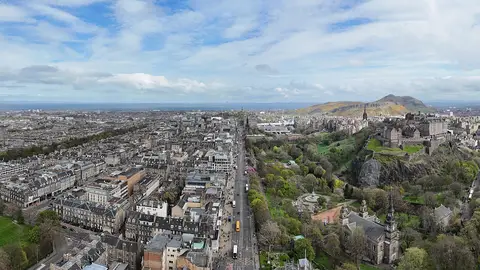
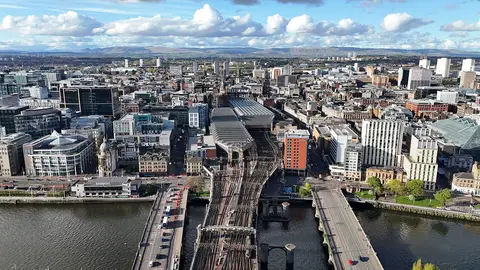
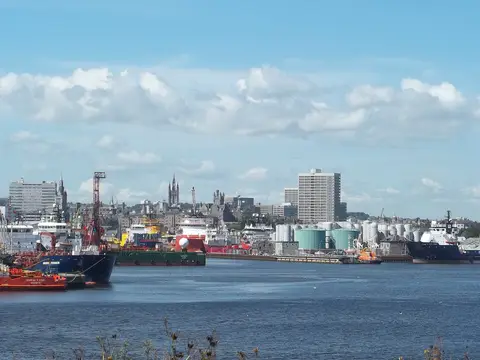
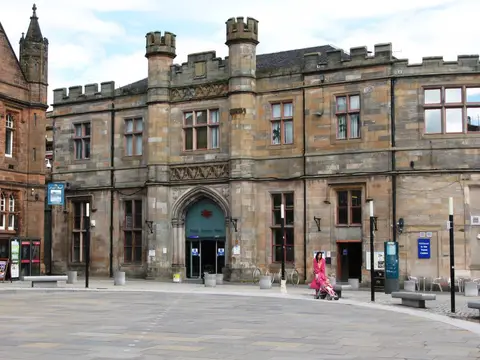
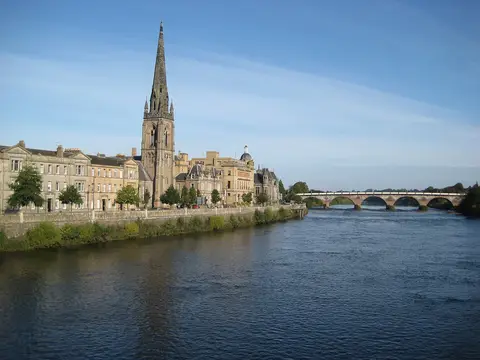
Edinburgh is the capital and seat of the Scottish Parliament. The medieval Old Town with the Royal Mile stretches from the castle on its volcanic rock down to Holyrood Palace, while the Georgian New Town lies opposite – both are UNESCO World Heritage Sites. Glasgow, the largest city, is rougher around the edges and more down-to-earth: Victorian architecture, the Art Nouveau buildings of Charles Rennie Mackintosh, free museums such as the Kelvingrove Art Gallery, and a strong music scene. Aberdeen, the "Granite City," lives off North Sea oil, while Dundee has gained a new look thanks to the V&A design museum on the banks of the Tay. Perth and Stirling are gateways to the Highlands, and Ayr on the west coast is a classic seaside resort and the home of national poet Robert Burns. Paisley, west of Glasgow, gave its name to the well-known fabric pattern.
Sights in Scotland
Among the sights in Scotland, the castles stand out: Edinburgh Castle with the Honours of Scotland, the crown jewels; Stirling Castle above the Bannockburn battlefield; Eilean Donan, set on a tidal island; and the ruins of Urquhart Castle on the shore of Loch Ness. On Orkney, the Neolithic settlement of Skara Brae and the Ring of Brodgar tell of a culture older than the pyramids. The Jacobite Steam Train crosses the Glenfinnan Viaduct, which film fans know from Harry Potter. St Andrews is considered the home of golf, and the North Coast 500 route loops around the far north for roughly 830 kilometers (about 515 miles), past remote bays and single-track roads.
History and Culture
Picts, Gaels, and Vikings shaped early Scotland before it became an independent kingdom in the Middle Ages. The Wars of Independence led by William Wallace and Robert the Bruce still shape Scottish identity today. In 1707 the parliaments united with England, and since 1999 Scotland has once again had its own. The question of independence remains an ongoing topic. Clans, tartans, and Highland Games with caber tossing live on, as does Gaelic in the Hebrides. In August, Edinburgh turns into one giant stage with the Fringe, the world's largest arts festival, and the Military Tattoo; Hogmanay follows at New Year's.
Whisky and Scottish Cuisine
More than 140 distilleries produce Scotch whisky, and many offer tours. The Speyside region along the River Spey has the highest concentration, while the distilleries on Islay are famous for their peaty, smoky style. On the plate you'll find haggis with "neeps and tatties," meaning rutabaga and potatoes, along with Cullen skink, a soup made from smoked haddock. Salmon, langoustines, and mussels from the west coast, Aberdeen Angus beef, and game from the Highlands have an excellent reputation. Shortbread and tablet, a kind of fudge-like caramel, are popular souvenirs.
Getting There, Getting Around, and the Best Time to Visit
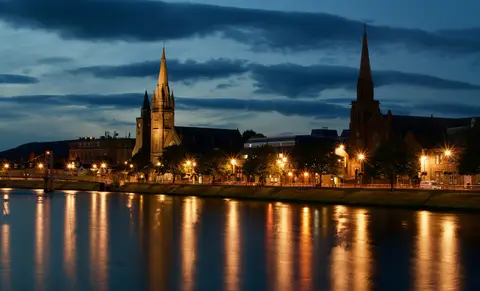
Edinburgh and Glasgow are served by direct flights from Germany, while Aberdeen and Inverness are reached via connecting flights. By train, you can get from London to Edinburgh in a little over four hours. A rental car is ideal for the Highlands and islands, and Caledonian MacBrayne ferries connect the west coast with the Hebrides. As for the rest of the United Kingdom, German citizens need a passport and an ETA. The best time to visit Scotland is from May to September, when the days are long – in June it hardly gets dark in the north. From June on, however, midges, tiny biting insects, are out on the west coast; for that reason many people consider May and September the ideal months.