Discover Birmingham: Canals, Balti, and the Bullring
Travel guide · editorialBirmingham has more miles of canals than Venice – a line locals love to quote with a wink. A city break in Birmingham surprises you with grand Victorian architecture, a jewelry quarter where goldsmiths still work, one of the best art collections in England, and a curry tradition that has shaped the whole country.
The Workshop of the World
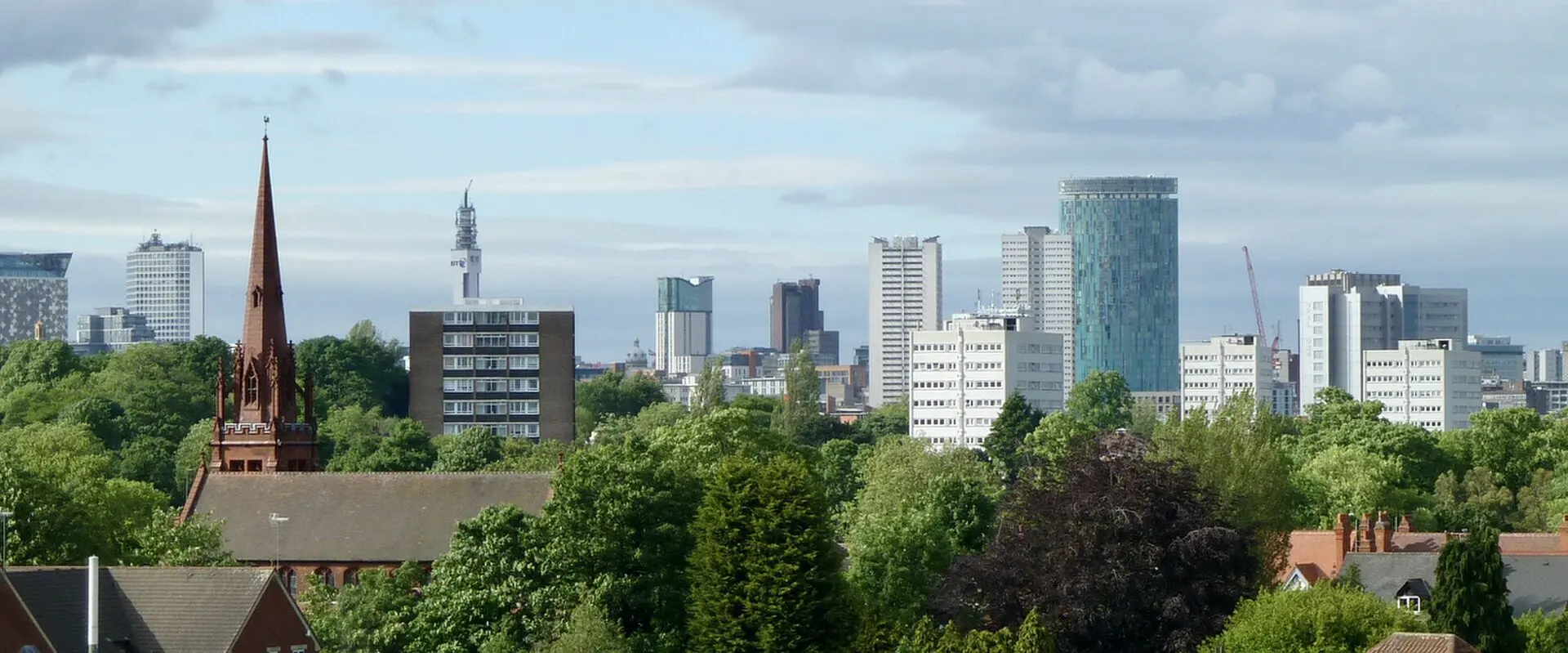
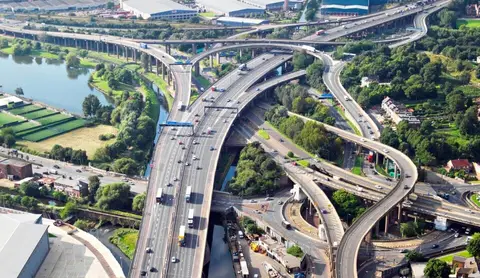
In the 18th and 19th centuries, Birmingham was one of the birthplaces of the Industrial Revolution. Inventors and entrepreneurs such as James Watt and Matthew Boulton met at the Lunar Society, and their steam engines powered factories around the world. Thousands of small workshops made buttons, guns, pens, and jewelry, earning the city the nickname "City of a Thousand Trades." To transport coal and goods, a dense network of canals was built, and it still survives today. After World War II, concrete buildings and ring roads shaped the center, which has been thoroughly renewed since the 1990s. Today Birmingham is the second-largest city in the United Kingdom and one of its youngest and most diverse.
Things to See in Birmingham
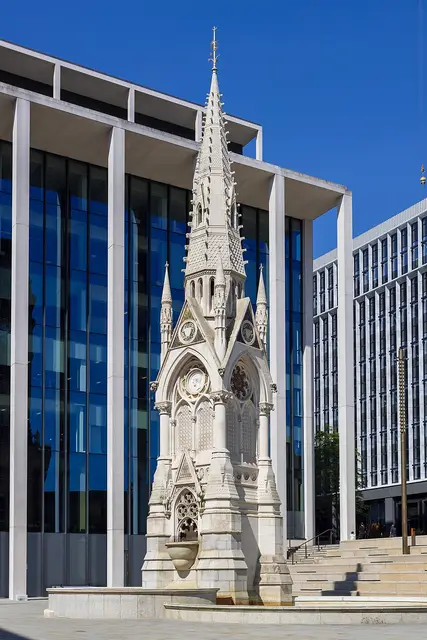
The heart of the city is Victoria Square, home to the Town Hall, a Roman-style temple, and the Council House. Right next door, the Birmingham Museum and Art Gallery shows one of the world's most important collections of Pre-Raphaelite painting. On Centenary Square stands the Library of Birmingham, whose facade is made of golden and silver metal rings; from its rooftop gardens you can look out over the city. The Bullring shopping complex is dominated by the Selfridges department store, whose thousands of aluminum discs make it look like a shimmering insect. St Philip's Cathedral holds stained-glass windows by Edward Burne-Jones, a son of the city. A little outside the center lies Bournville, the model village the Quaker Cadbury family built in the late 19th century for its chocolate workers; the Cadbury World attraction tells the story of chocolate and tempts you with samples. Garden lovers will enjoy the Botanical Gardens in Edgbaston with their Victorian glasshouses.
Canals and the Jewellery Quarter
Around Gas Street Basin and Brindleyplace, old warehouses, pubs, and restaurants line the canals, narrowboats are moored along the banks, and you can stroll the towpaths all the way to the university or the Mailbox complex. Northwest of the center lies the Jewellery Quarter, where a large share of British jewelry is still made today. At the Museum of the Jewellery Quarter, a workshop has been preserved just as its owners left it in 1981, teacups on the workbench included. Bars and cafés in former workshops keep the neighborhood lively in the evenings, too, and the quarter's three historic cemeteries are the final resting place of many of the manufacturers who made Birmingham rich.
Eating in Birmingham: The Balti Triangle
In the 1970s, Pakistani and Kashmiri cooks in Sparkbrook and Balsall Heath developed the balti, a curry cooked quickly in a thin steel pan, served in the same pan, and eaten with naan. The area around Ladypool Road is still known as the Balti Triangle. Beyond that, Birmingham offers a remarkable restaurant scene with several Michelin-starred kitchens, the Chinese Quarter around the Arcadian Centre, and the Digbeth district with street food markets in old factory halls.
Nightlife and Culture
Digbeth is the creative quarter with clubs, breweries, and street art, while Broad Street is the classic party strip. Symphony Hall is considered one of the best concert halls in Europe, and the Birmingham Royal Ballet and the Birmingham Repertory Theatre have a fine reputation. Fans of the series "Peaky Blinders" seek out the locations of the Shelby gangster family, set in 1920s Birmingham; scenes were filmed at the Black Country Living Museum just outside the city.
Getting There and Best Time to Visit
Birmingham Airport is about ten minutes by train from New Street station, and London Euston is roughly 80 minutes away by train. The West Midlands Metro tram connects the center with Wolverhampton. The best time to visit is from May to September; in December a large Christmas market modeled on Frankfurt's takes place. Day trips lead to Stratford-upon-Avon, Shakespeare's birthplace, and to Warwick Castle, one of the best-preserved medieval castles in England, as well as into the Cotswolds hills with their honey-colored stone villages.