
Discover Belfast: Titanic, Murals, and Pub Culture
Travel guide · editorialTwo giant yellow cranes named Samson and Goliath tower over Belfast's harbor – they belong to the Harland & Wolff shipyard, where the Titanic was once built. A city break in Belfast leads you to this shipbuilding history, to murals that tell the story of decades of conflict, into Victorian pubs with Irish music, and to one of the most spectacular coastlines in Europe.
Shipyards, Linen, and the Troubles
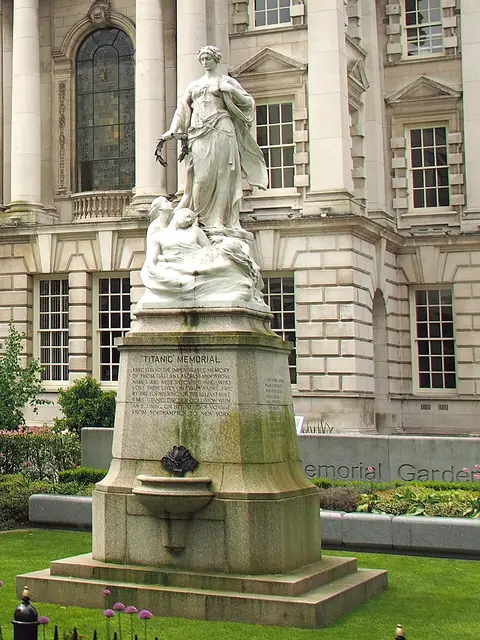
In the 19th century, Belfast grew into the largest city in Ireland thanks to its linen mills, tobacco factories, and shipyards. At Harland & Wolff, the largest ships in the world were launched, including the Titanic in 1911. The magnificent City Hall, built of white Portland stone and completed in 1906, is a testament to this self-confidence. Beginning in the late 1960s, the Troubles, the conflict between mostly Catholic nationalists and Protestant unionists, shook the city. Peace came with the Good Friday Agreement of 1998, and Belfast has since developed into an open, lively city that doesn't hide its history.
Sights in Belfast
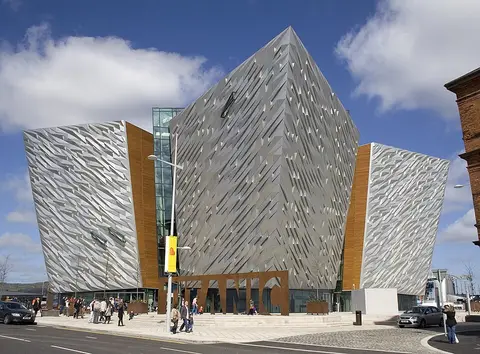
The Titanic Quarter is home to the Titanic Belfast museum, whose facade of silver panels recalls the bows of four ships. Spread over several floors, it tells the story of the ship's construction, maiden voyage, and sinking, and a ride in a gondola-style elevator takes you through a re-created shipyard. Next door lies the SS Nomadic, the last surviving tender of the White Star Line. In the city center, City Hall offers free tours, and at the former Crumlin Road Gaol you can walk through the tunnel that was used to take prisoners to the courthouse. In the south, the Ulster Museum in the Botanic Gardens presents art, natural history, and an exhibition about the Troubles; the neighboring Palm House of glass and iron is one of the oldest greenhouses of its kind.
Murals and Peace Walls
On the Falls Road and the Shankill Road, just a few hundred yards apart, hundreds of murals tell of the political convictions, victims, and hopes of both sides. The so-called peace walls, some of them over 26 feet high, still separate the neighborhoods today, and in some places gates close in the evening. Visitors leave their messages on the walls. The most powerful way to experience these places is on a black cab tour, where the drivers speak from their own experience.
Eating and Going Out
The Cathedral Quarter around St Anne's Cathedral is the nightlife district, with pubs where traditional music is played almost every evening. A highlight is the Crown Liquor Saloon, dating from 1885, with stained glass, wood carvings, and snugs that can be closed off, now owned by the National Trust. At St George's Market, a Victorian market hall, you'll find local products and street food on weekends. Breakfast means the Ulster Fry, with sausage, bacon, egg, and the typical slices of potato bread and soda bread.
Getting There, Excursions, and Best Time to Visit
Belfast has two airports: George Best Belfast City Airport near the harbor and Belfast International about 19 miles to the northwest. Ferries run to Scotland and England, and trains reach Dublin in about two hours. The best time to visit is from May to September. Day tours head to the Antrim Coast with the Giant's Causeway, a UNESCO World Heritage Site made of basalt columns, and to filming locations from "Game of Thrones."