
Discover Manchester: Industry, Music and Football
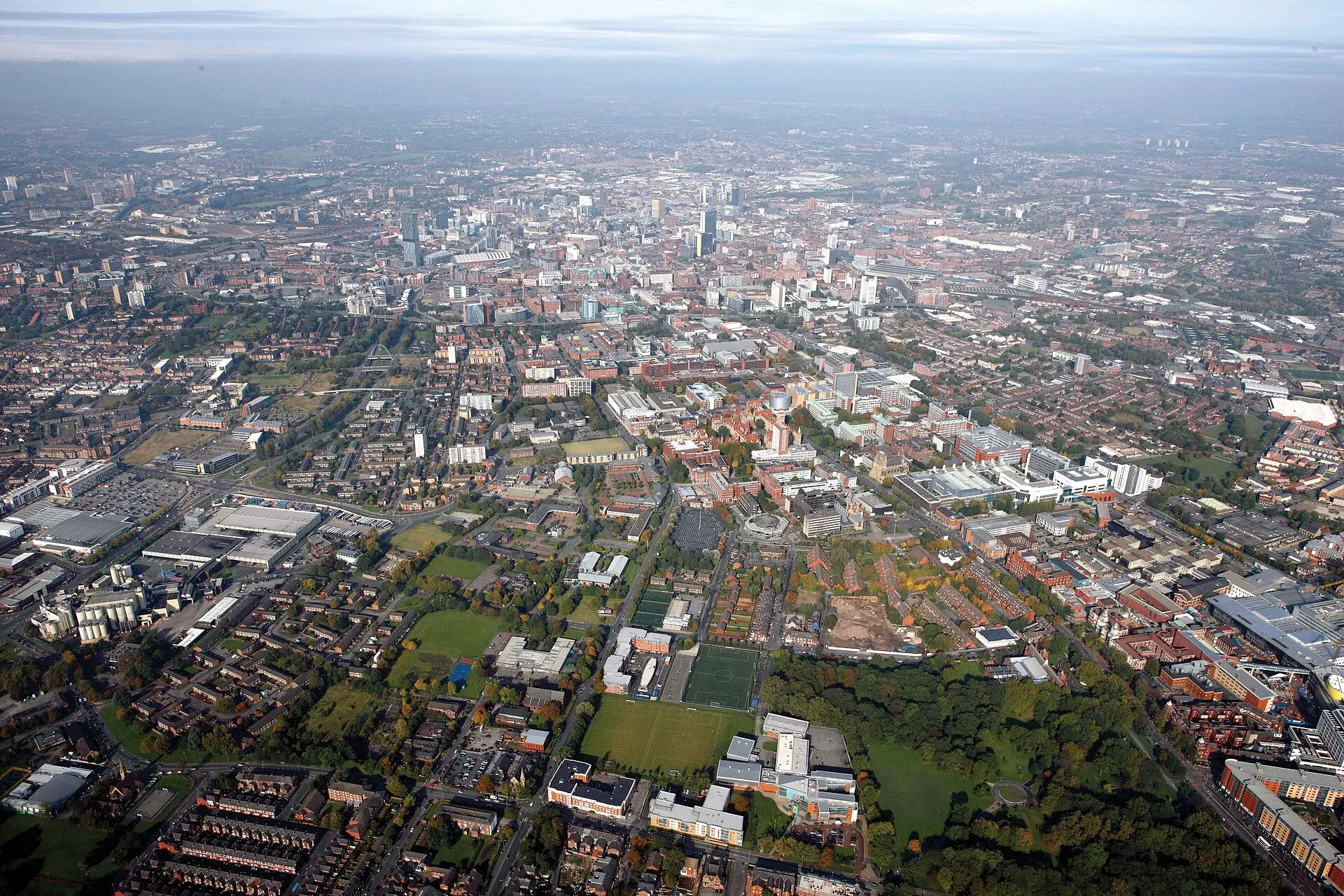
Travel guide · editorialAll over Manchester you'll spot the little worker bee, the city's symbol, on bollards, trash cans and as a tattoo on the arms of its residents. A city break in Manchester takes you to the world's first industrial city, to two of the most famous football clubs, into a legendary music scene and into neighborhoods full of brick-built charm and trendy cafés.
The First Industrial City
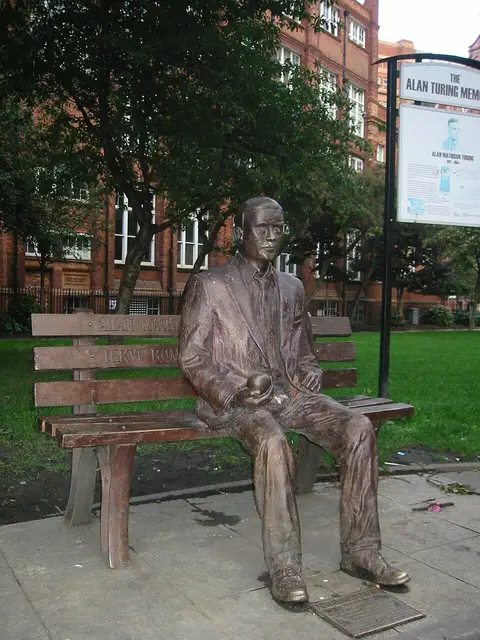
In the 18th and 19th centuries, Manchester became the capital of cotton. Hundreds of mills with smoking chimneys earned the city the nickname Cottonopolis, and in 1830 the world's first intercity passenger train ran from here to Liverpool. Working conditions were harsh, and Friedrich Engels described them in his book on the condition of the working class. Manchester also became a center of reform movements: here, in 1819, workers demanded the right to vote at the Peterloo Massacre, and the suffragettes around Emmeline Pankhurst began their struggle. At the university, Ernest Rutherford split the atom, and in 1948 one of the first stored-program computers ran here.
Sights in Manchester
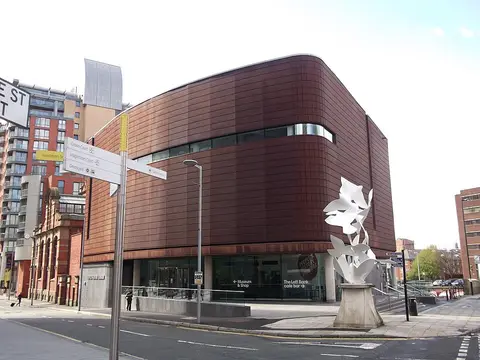
The John Rylands Library on Deansgate is a neo-Gothic building that looks more like a cathedral and holds precious manuscripts, including a fragment of the Gospel of John. Alfred Waterhouse's Town Hall has undergone extensive restoration in recent years. The Science and Industry Museum in Castlefield is home to the world's oldest surviving passenger railway station. The Manchester Art Gallery shows Pre-Raphaelite paintings, and the Whitworth Art Gallery presents modern art in a park setting. The People's History Museum tells the story of democracy, and the Aviva Studios, home of the Factory International arts center, is the newest landmark on the River Irwell.
Neighborhoods: From the Northern Quarter to Castlefield
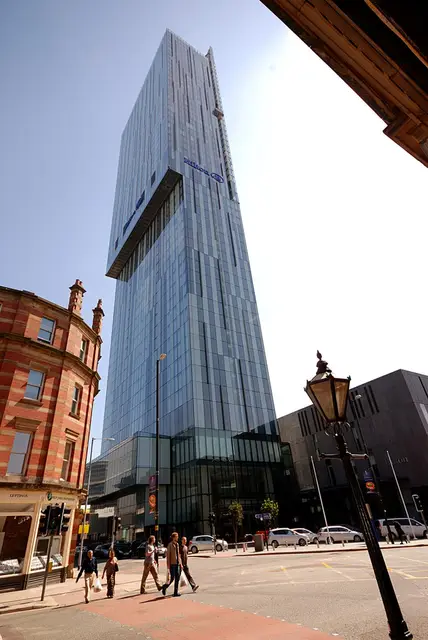
The Northern Quarter, with its brick warehouses, record stores, vintage shops and murals, is the creative heart of the city, especially around Oldham Street and Stevenson Square. In Castlefield, canals, railway viaducts and restored warehouses come together, and in summer people sit by the canal basins outside the pubs. Spinningfields is the modern business district with restaurants and rooftop bars, and the Gay Village on Canal Street is one of the best-known LGBTQ+ neighborhoods in Europe. Piccadilly Gardens is the city's transport hub, with Chinatown and its magnificent archway close by.
Football and Music
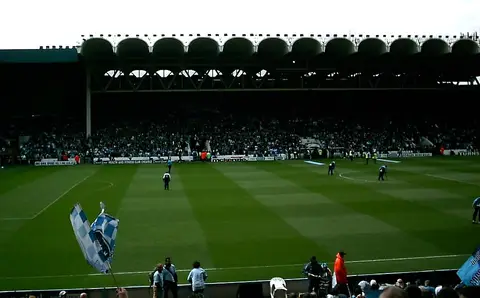
Manchester United plays at Old Trafford, nicknamed the Theatre of Dreams, and Manchester City at the Etihad Stadium on the east side of the city; both offer tours, and the National Football Museum is devoted entirely to the game. Musically, Manchester has shaped generations: Joy Division, The Smiths, New Order, Oasis and The Stone Roses all came from here, and the Hacienda was the center of the acid house movement in the late 1980s. Today young bands play in Northern Quarter clubs, and big concerts take place at the Co-op Live Arena, one of the largest concert venues in the country. If you're interested in literature, visit the home of the writer Elizabeth Gaskell or Chetham's Library, the oldest public library in the English-speaking world, where Marx and Engels studied together.
Eating and Going Out
The Curry Mile in Rusholme was known for decades for Indian and Pakistani cuisine and today also offers plenty of Middle Eastern food. Street food markets have established themselves in old halls such as Mackie Mayor and Altrincham Market. Typical of the region are Manchester tart, a pastry with custard and coconut, and Vimto, a soft drink that originated in the city. In the evening, the Northern Quarter, Ancoats with its restaurants in converted mills, and the bars along Deansgate are busy.
Getting There and Best Time to Visit
Manchester Airport is about 20 minutes south of the center by train, and London is a little over two hours away. The Metrolink tram connects neighborhoods and suburbs, and a dense bus network adds to that. The best time to visit is from May to September; rain is part of the deal and has earned the city its reputation. Day trips lead to the Peak District with its moors and stone walls, to Liverpool, or to the market towns of Cheshire, such as medieval-flavored Chester with its timber-framed galleries.