Switzerland Travel Guide: Mountains, Lakes, and Four Languages
Travel guide · editorialA trip to Switzerland takes you through four language regions that coexist in an area smaller than Lower Saxony. On a vacation in Switzerland, you might have breakfast in Zurich, eat rösti for lunch in the Bernese Oberland, and sip a Merlot on the lakefront promenade in Lugano in the evening, all without spending more than a few hours on a train.
Alps, Glaciers, and Lakes
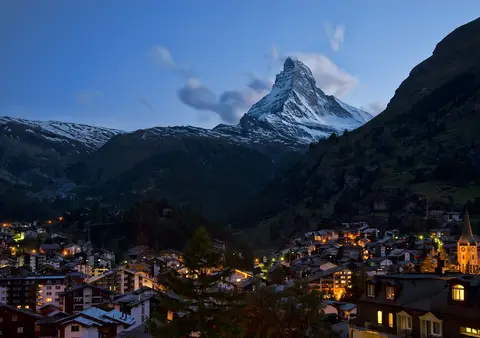
Around 60 percent of the country lies in the Alps, and you can see it almost everywhere. In the Valais, more than 40 peaks over 4,000 meters rise up, including the Matterhorn above Zermatt and the Dufourspitze in the Monte Rosa massif, which at 4,634 meters (15,203 feet) is the highest summit in Switzerland. The Aletsch Glacier, the largest in the Alps, creeps for about 20 kilometers through the UNESCO-listed Jungfrau-Aletsch area. In the Bernese Oberland, the Eiger, Mönch, and Jungfrau stand so close together that from Interlaken they look like a stage backdrop, and a cog railway climbs to the Jungfraujoch at 3,454 meters (11,332 feet).
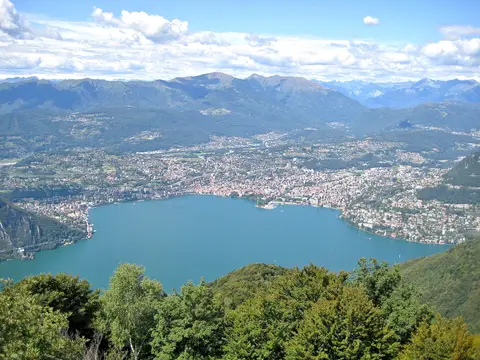
Between the mountains lie lakes in every shade: Lake Geneva with the vineyard terraces of Lavaux, Lake Lucerne with its winding arms around Lucerne, the turquoise Lake Brienz, and in the south Lake Maggiore and Lake Lugano with palm trees along the shore. In the Engadine, the Upper Engadine lakes line up near St. Moritz, and in the northwest the Jura stretches to the French border with high moors, watchmaking villages, and wide pastures.
Cities and Sights in Switzerland
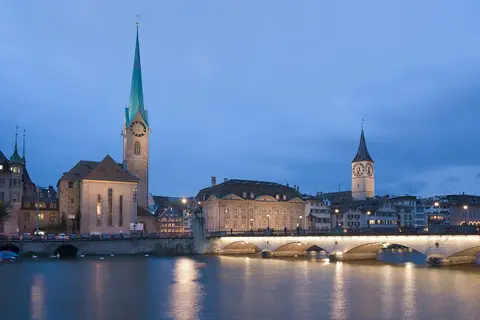
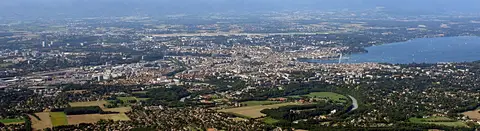
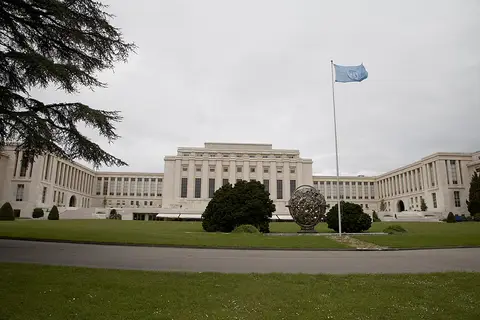
Zurich is the largest city and the economic center. The Old Town, with the Grossmünster and the Fraumünster, where windows by Marc Chagall glow, lies right on the lake, and in summer locals swim in the Limmat during their lunch break. Geneva at the other end of the country is French-speaking and international in character: it is home to the European headquarters of the United Nations, the Red Cross, and CERN, and the Jet d’Eau shoots its fountain 140 meters (460 feet) into the air.
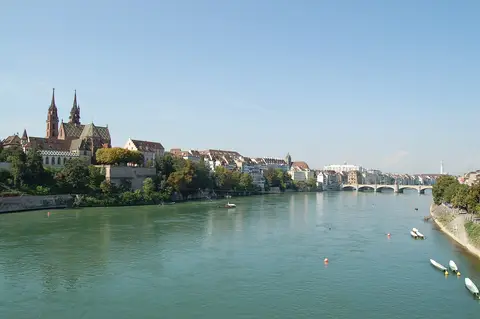
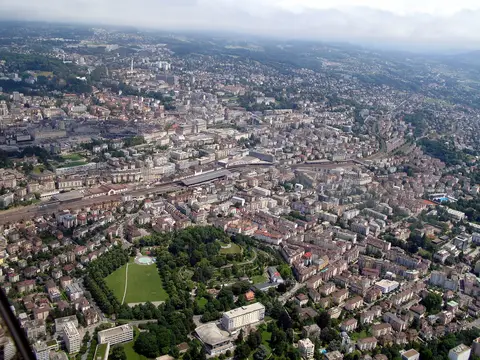
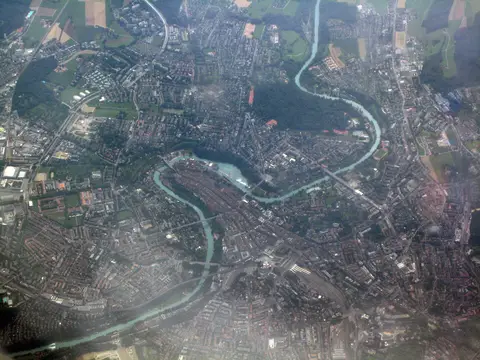
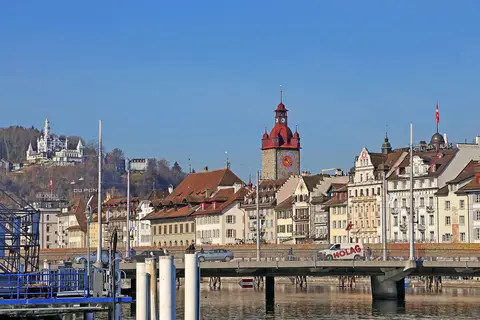
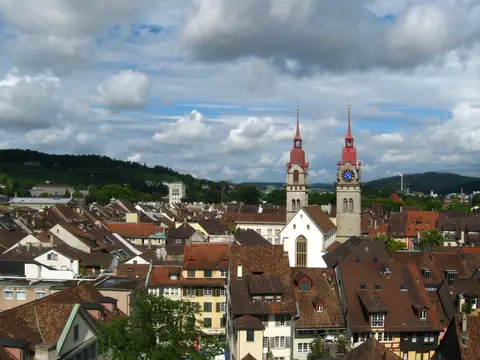
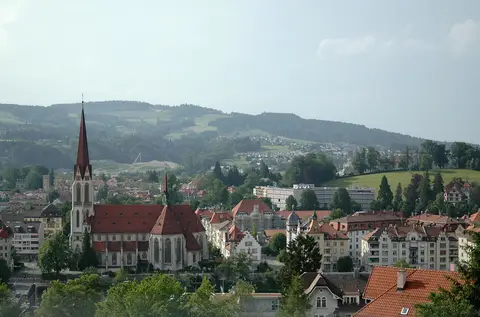
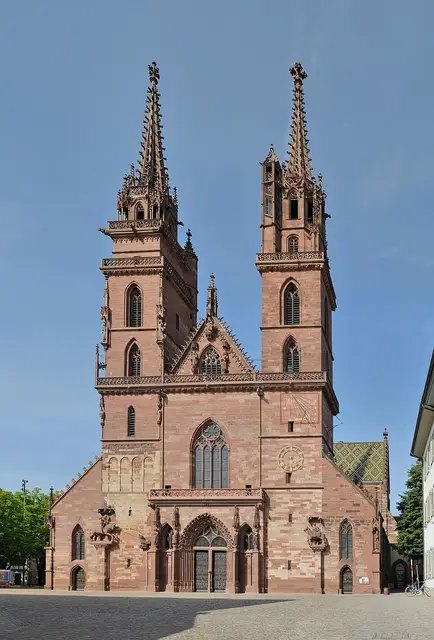
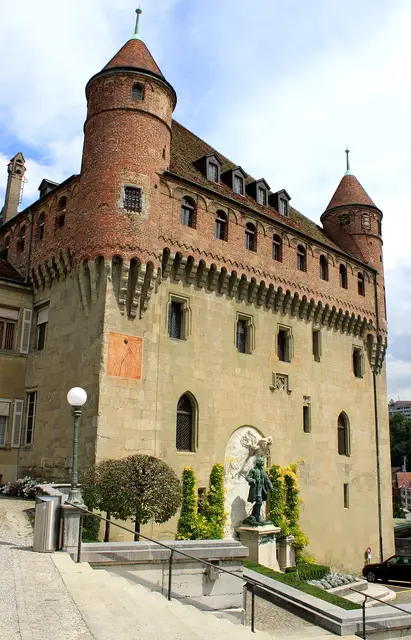
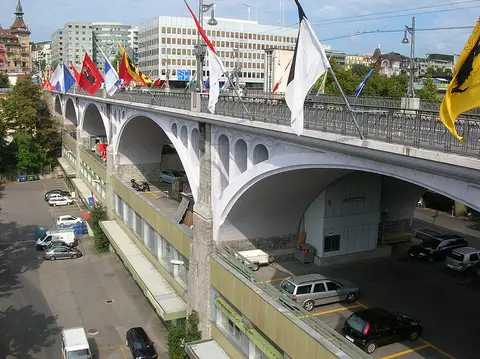
Bern, the federal city, has six kilometers of arcades, making it one of the longest covered shopping promenades in Europe, and its entire Old Town is a World Heritage Site. Basel, on the bend of the Rhine, has an enormous concentration of museums, from the Fondation Beyeler to the Kunstmuseum, and in summer people float down the Rhine in waterproof swim bags. Lucerne, with its wooden Chapel Bridge, is the starting point for Rigi and Pilatus, and Lausanne sits steeply above Lake Geneva and is home to the Olympic Museum. In Ticino, Lugano has a Mediterranean flair; in eastern Switzerland, St. Gallen has an Abbey Library with one of the most beautiful Baroque reading rooms in the world, and Winterthur has made a name for itself as an art city with collections such as the Oskar Reinhart.
Culture, Languages, and Traditions
Switzerland is a nation by choice, held together not by a common language but by direct democracy and a strong principle of federalism. Several times a year, voters decide on specific issues, and in Appenzell Innerrhoden and Glarus citizens still gather in the open air for the Landsgemeinde. German is spoken in most cantons, though in everyday life almost always as Swiss German; French is spoken in Romandy, Italian in Ticino, and Romansh has survived in Graubünden.
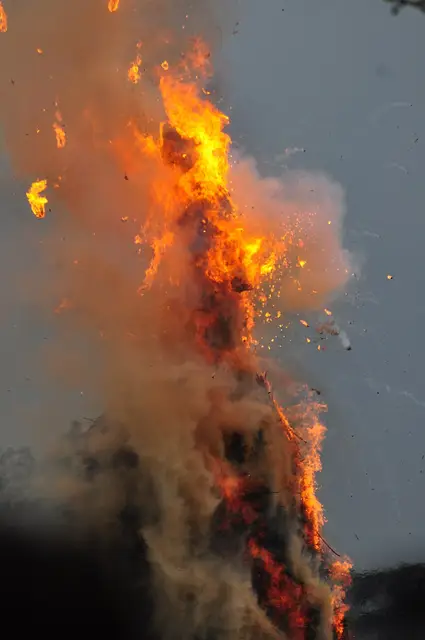
There are plenty of customs. At the Basel Morgestraich on the Monday after Ash Wednesday, all the lights go out at four in the morning, and thousands of drummers and piccolo players march through the city with lanterns. In Zurich, the Sechseläuten in April culminates in the burning of the Böögg, a cotton-wool snowman whose exploding head is said to predict the summer. In autumn, Alpine villages celebrate the Alpabzug, the cattle descent from the high pastures, and on August 1, the national holiday, bonfires blaze on the mountains.
Food and Drink
Cheese plays the lead role. Fondue moitié-moitié made with Gruyère and Vacherin, raclette scraped straight from the wheel onto potatoes, and Älplermagronen with applesauce are as much a part of winter as the snow. Zurich is known for sliced veal in cream sauce with rösti, Graubünden for capuns and air-dried Bündnerfleisch, and Ticino for polenta and risotto in the simple grotti in the woods. Chocolate has a long tradition in Switzerland, and Basler Läckerli and Engadiner Nusstorte are popular souvenirs. Few people know that Switzerland produces good wines, especially Chasselas from Lavaux and the Valais and Merlot from Ticino. Since only a small share is exported, the best place to drink them is right here.
Getting Around Switzerland
The main hubs are the airports in Zurich (ZRH) and Geneva (GVA), plus EuroAirport Basel-Mulhouse (BSL), which lies on French soil. From Germany, ICE and EC trains run directly to Basel, Zurich, and Bern. The rail network is considered one of the best in the world: trains, PostBuses, and boats are coordinated on a regular-interval timetable. Scenic routes such as the Glacier Express between Zermatt and St. Moritz or the Bernina line of the Rhaetian Railway, a World Heritage Site, are an experience in themselves. For visitors, the Swiss Travel Pass is often worth it. Drivers need a motorway vignette, which is now also available as an e-vignette. Prices are high, but you can keep your budget in check with supermarkets and picnics by the lake.
Best Time to Visit Switzerland
The best time to visit Switzerland for hiking is between late June and late September, when even the high passes such as Furka, Grimsel, and Susten are open. In the Central Plateau, summer temperatures reach 22 to 28 degrees Celsius (72 to 82°F), and it gets a bit warmer in Ticino. The ski season runs from December to April in most areas, and in Zermatt and Saas-Fee you can sometimes even ski on the glacier year-round. May and October are quieter months, ideal for city trips, the grape harvest in Lavaux, and lakeside walks while there is already or still snow in the mountains.