Graubünden: 150 Valleys Between the Rhine and the Inn
Travel guide · editorialGraubünden is the largest canton in Switzerland and the only one with three official languages. A vacation in Graubünden takes you from world-famous resorts like St. Moritz and Davos to quiet Engadine villages and a mountain railway whose viaducts are UNESCO World Heritage sites.
Landscape and Languages
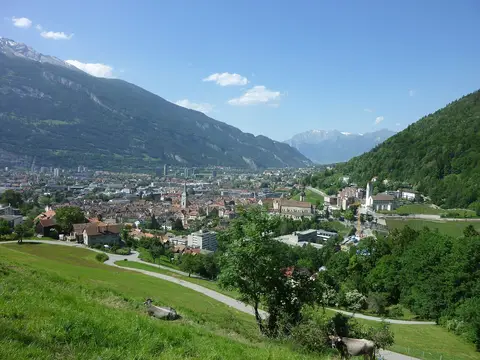
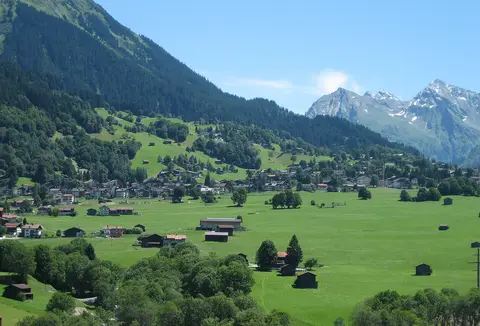
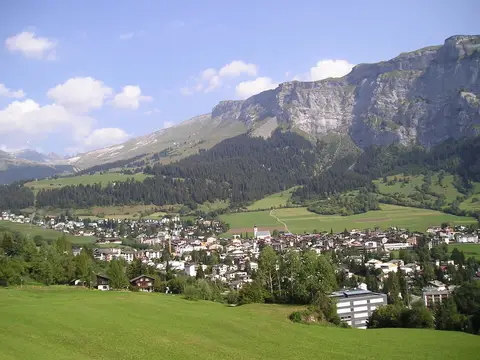
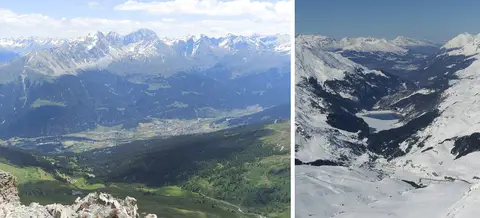
The Rhine and the Inn both rise here, and some 150 valleys divide up the region. To the north, the Rhine Valley opens up around Chur; to the west lies the Surselva with the Ruinaulta Rhine Gorge near Flims; to the southeast, the Engadine is dotted with lakes at around 5,900 feet. South of the Alps you'll find Italian-speaking valleys such as Val Poschiavo, Val Bregaglia, and the Misox. Romansh, Switzerland's fourth national language, is heard mainly in the Engadine and the Surselva; place names like Scuol, Zernez, and Sils reveal their origins.
Places in Graubünden
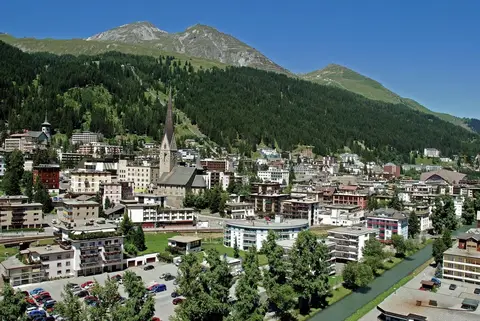
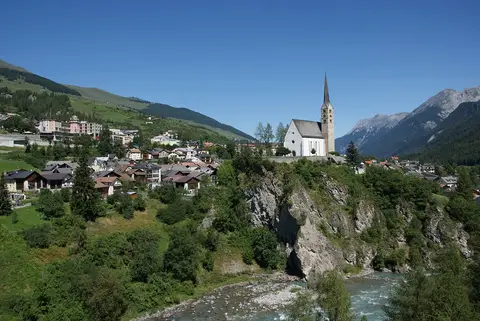
Chur is considered the oldest city in Switzerland; its compact, lively old town is home to the cathedral and the Bishop's Palace. Davos, at over 5,000 feet, is one of the highest-lying cities in Europe, known for the World Economic Forum and the Spengler Cup ice hockey tournament. Thomas Mann's "The Magic Mountain" is set in a Davos sanatorium. St. Moritz invented winter tourism in the late 19th century and has hosted the Winter Olympics twice. Arosa and Klosters are quieter winter sports resorts, Flims-Laax is a hub for freestyle, and Vaz/Obervaz with Lenzerheide has made a name for itself with a biathlon arena and bike trails. Scuol in the Lower Engadine draws visitors with its mineral springs and houses decorated with sgraffito.
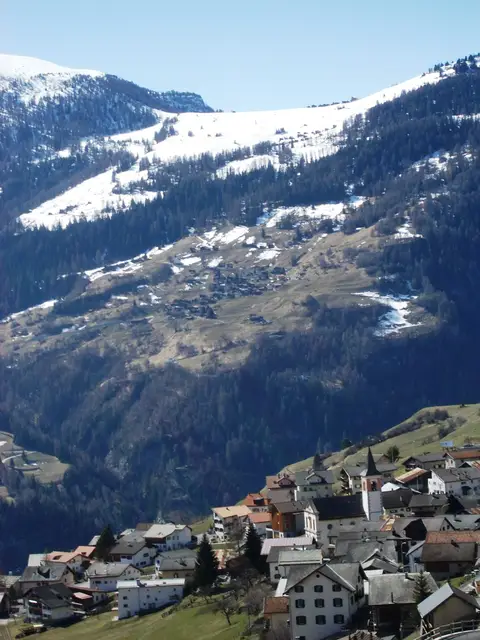
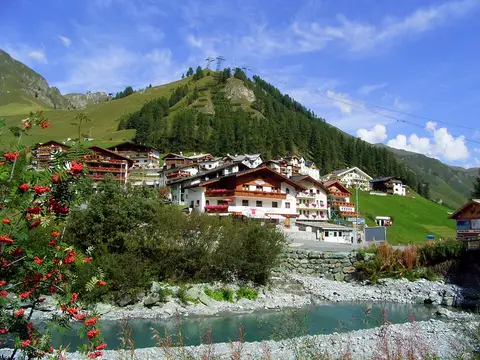
Away from the big resorts, small villages preserve their character: Guarda in the Lower Engadine with its sgraffito houses; Soglio in the Bregaglia, a granite village above chestnut forests where Giovanni Segantini spent his summers; and Splügen with its stone mule-driver houses along the old pass route. In Val Poschiavo, the town of Poschiavo, with its square and palazzi, feels like a small Italian city. Combine these Graubünden destinations and you'll experience three languages and several cultures on a single trip.
Sights in Graubünden
The Albula and Bernina lines of the Rhaetian Railway are UNESCO World Heritage sites: the Landwasser Viaduct near Filisur and the Brusio Circular Viaduct are among the most photographed railway structures in the world. The Swiss National Park near Zernez, founded in 1914, is the oldest in the Alps. St. John's Abbey in Müstair, also a World Heritage site, holds Carolingian frescoes. Other sights in Graubünden include Peter Zumthor's Therme Vals, Lake Cauma near Flims, and the Segantini Museum in St. Moritz.
Food and Drink
Capuns, little rolls of spaetzle dough with Salsiz sausage wrapped in chard leaves, are the regional signature dish, alongside pizokel and maluns made with grated potatoes. Bündnerfleisch, air-dried beef, and Engadine nut tart are popular souvenirs. The Bündner Herrschaft around Malans and Maienfeld produces a highly regarded Pinot Noir.
Getting There and Best Time to Visit
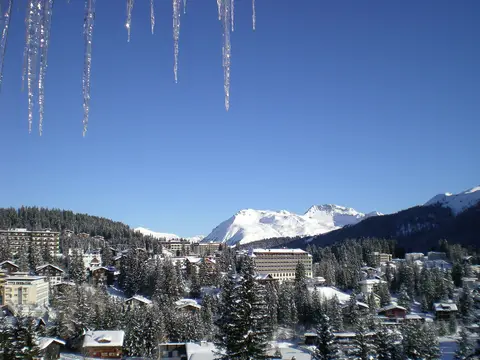
You can reach Chur from Zurich by train in about 75 minutes, and from there the Rhaetian Railway and PostBuses serve almost every valley. The Glacier Express and the Bernina Express are travel experiences in their own right. Ski season runs from December to March, and hiking and biking season from June to October, when the larches in the Engadine turn yellow.