Discover Geneva: Jet d’Eau, Old Town, and Global Diplomacy
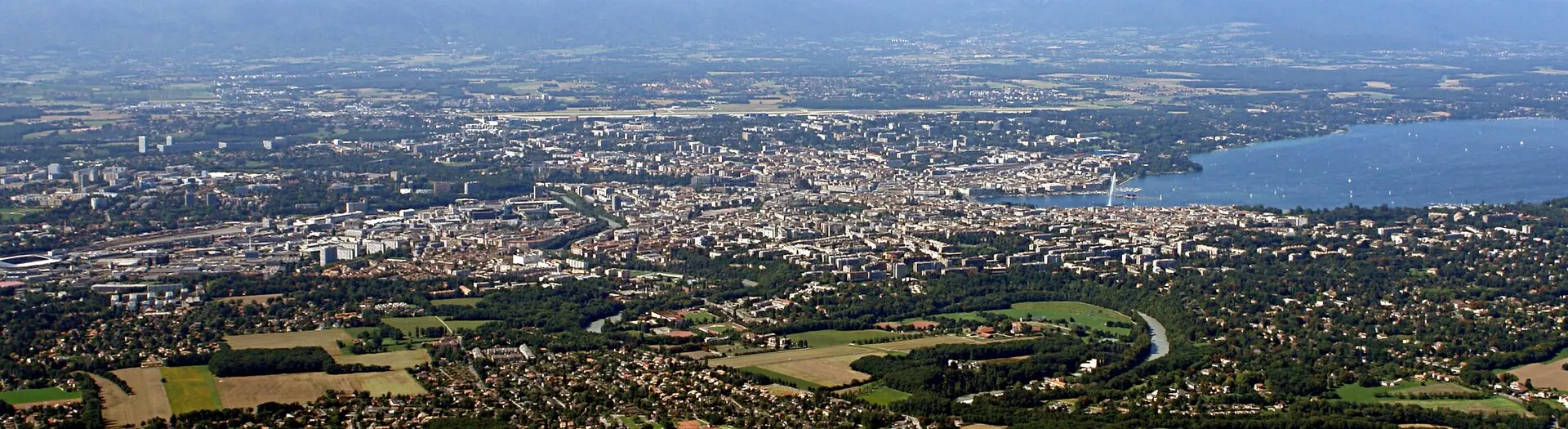
Travel guide · editorialRoughly 460 feet high, the fountain shoots into the sky from the shore of Lake Geneva, and on windy days its spray drifts across the promenade. Geneva is small, yet more international than almost any other city: it is home to the UN and the Red Cross, it is where the Reformation turned radical, and it is where CERN researches the origins of the universe. A city break in Geneva combines Old Town, lake, and world history.
City of Calvin and Diplomacy
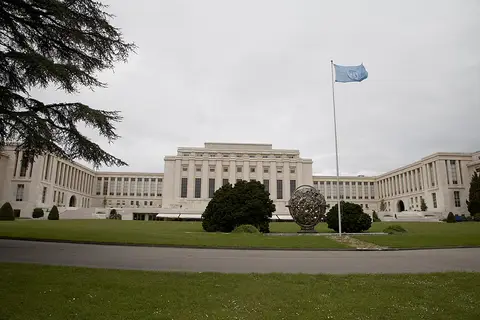
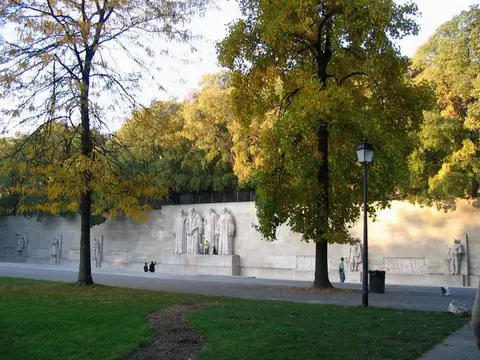
In the 16th century, John Calvin turned Geneva into the Rome of the Protestants, and religious refugees from France and Italy brought crafts such as watchmaking with them. The Reformation Wall in Parc des Bastions shows Calvin and his fellow reformers as stone giants. In 1863, Geneva native Henry Dunant founded the Red Cross, and a year later the first Geneva Convention was signed here. After World War I, the League of Nations moved in, and today numerous international organizations have their seat in the city. Almost half of the residents do not hold a Swiss passport.
Sights in Geneva
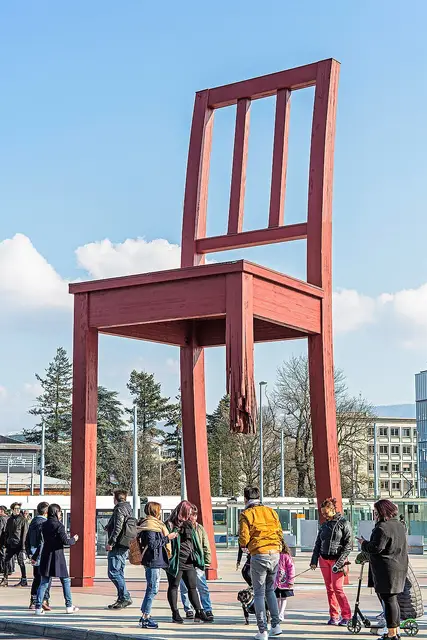
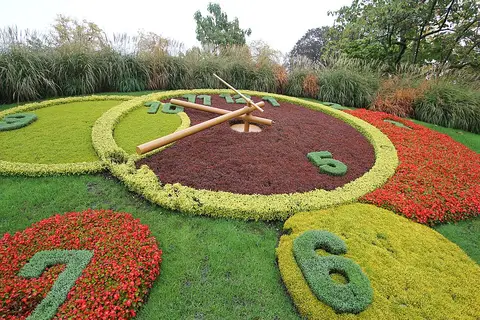
The Old Town on the hill is crowned by Saint-Pierre Cathedral, whose towers offer sweeping views of the lake and the Alps; beneath it lies an archaeological site with remains from Roman times. On the lakeshore, the Flower Clock in the English Garden tells the time with thousands of plants. In the Quartier des Nations, in front of the Palais des Nations, the UN's European headquarters, stands the Broken Chair sculpture, a chair with a broken leg that serves as a memorial against land mines. The International Red Cross and Red Crescent Museum tells the story of humanitarian aid in a moving way. At the Patek Philippe Museum, you can see five centuries of watchmaking artistry. On the outskirts of the city, CERN opens its doors with the Science Gateway, a visitor center designed by Renzo Piano.
Neighborhoods: Pâquis to Carouge
Pâquis on the right bank of the lake is the liveliest neighborhood, with snack stands from around the world, bars, and the lake bathing facility Bains des Pâquis, where you can swim in summer and, in winter, sit in the sauna and eat fondue. Eaux-Vives on the left bank offers parks and cafés, while Plainpalais has a large square with a flea market and museums, including the Museum of Art and History. Grottes and Saint-Gervais behind the train station are multicultural and alternative. To the south lies Carouge, built in the 18th century by the Kings of Sardinia as a rival to Geneva, with Mediterranean-style squares, artisan shops, and bistros.
Food and Festivals
Typical dishes include filets de perche, perch fillets from the lake; longeole, a sausage flavored with fennel; and of course fondue and raclette. In December, Geneva celebrates the Escalade, commemorating the repelled assault by Savoy in 1602; children smash marmites, pots made of chocolate. Wine from the Geneva countryside is offered in many restaurants.
Getting There and Best Time to Visit
Geneva Airport is just a few minutes by train from the center, and hotel guests receive a card for free public transportation. The best time to visit is from May to September, when you can swim in the lake and ride the yellow Mouettes boats back and forth between the shores. Excursions lead to Lausanne, the Lavaux vineyards, Montreux with Chillon Castle, or Mont Salève, the local mountain on the French side.