Discover Lausanne: Olympics, Cathedral, and Lavaux
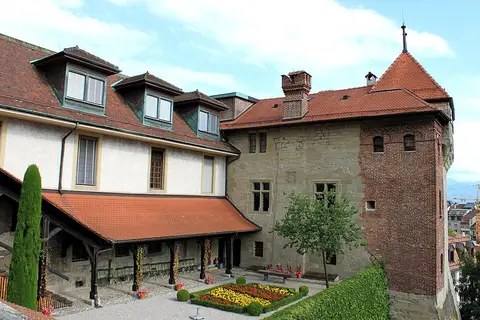
Travel guide · editorialEvery night between 10 p.m. and 2 a.m., a tower watchman at the cathedral calls out the hours, a custom that has been kept in Lausanne since the Middle Ages. A city break in Lausanne takes you to a steep, youthful city on Lake Geneva, home to the International Olympic Committee, where students fill the cafés and vineyards just outside the city limits are a World Heritage site.
A City on Steep Slopes
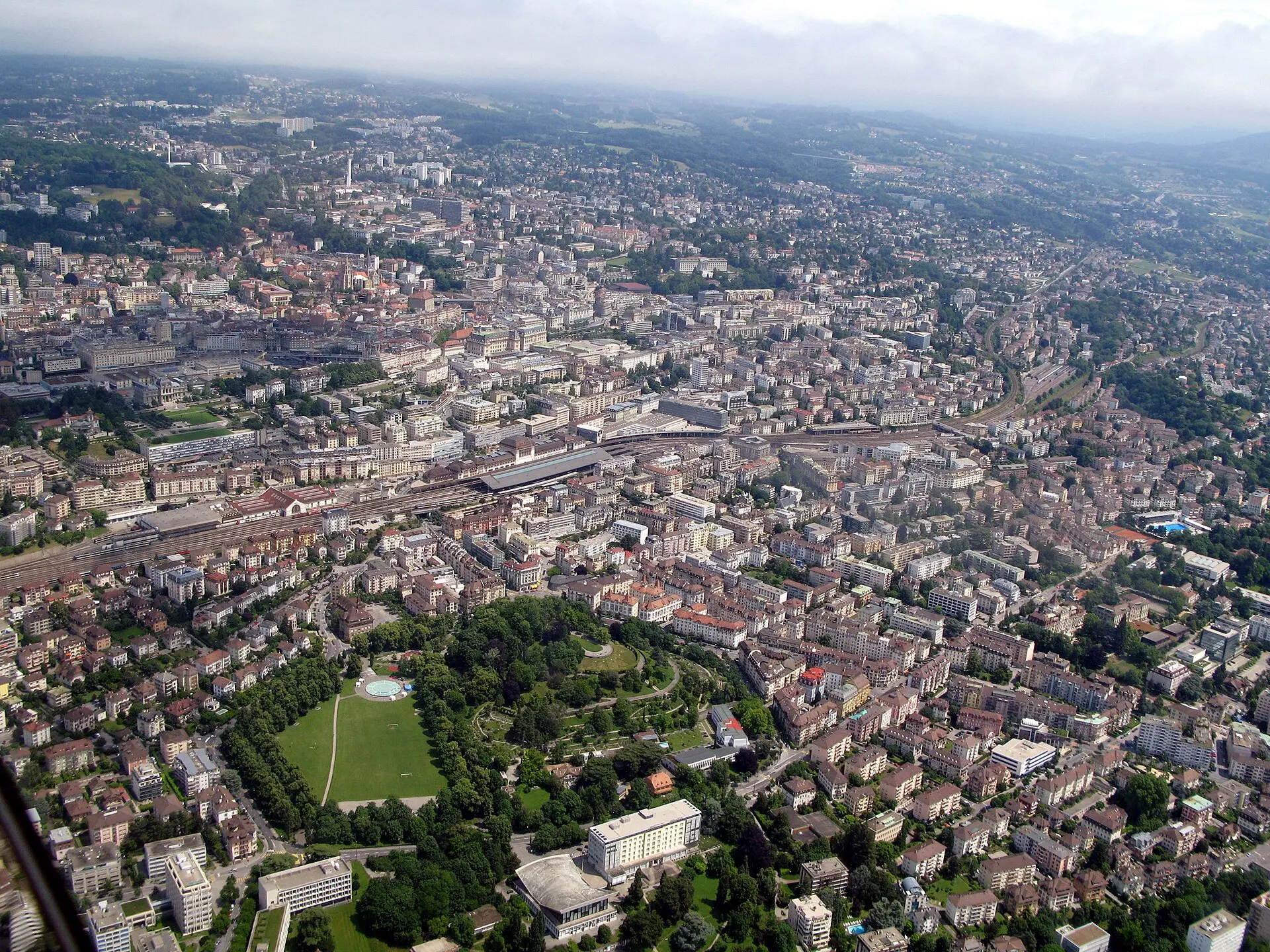
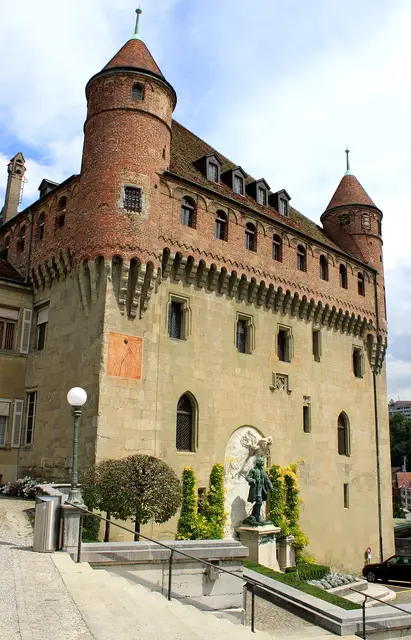
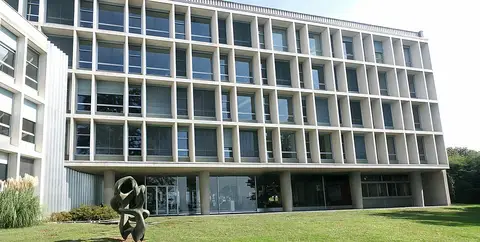
Lausanne climbs in terraces from the shore of Lake Geneva at Ouchy up to about 500 meters (1,640 feet) above sea level. The difference in elevation is so great that the M2 metro line is one of the steepest in the world; it links the lake, the train station, the Old Town, and the universities on the hills. In the Middle Ages Lausanne was the seat of a bishop, and later it belonged to Bern until the Canton of Vaud became independent in 1803. The International Olympic Committee has been based here since 1915, and dozens of sports federations followed, which is why Lausanne calls itself the Olympic Capital. The EPFL, the federal institute of technology, and the University of Lausanne on the lakeshore shape the city's youthful energy.
Sights in Lausanne
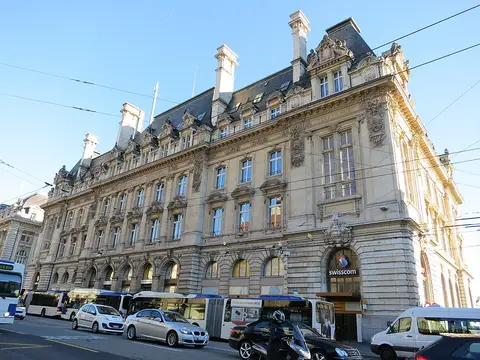
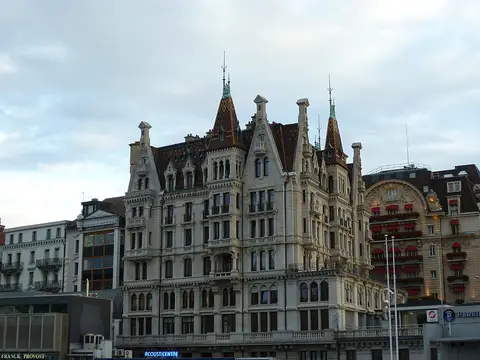
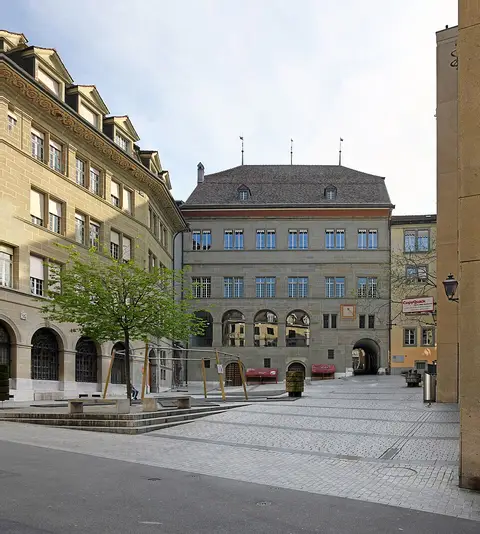
The Gothic Notre-Dame Cathedral on the Cité hill is considered one of the finest Gothic buildings in Switzerland, with a painted portal porch and a large rose window. From there, the covered Escaliers du Marché, a medieval wooden staircase, leads down to Place de la Palud, with the town hall and a figure display on the clock. The Palais de Rumine, built in the Florentine Renaissance style, houses several museums. On the lake at Ouchy, the Olympic Museum, set in a park, traces the history of the Games with torches, medals, and sports equipment. The Collection de l'Art Brut in the Château de Beaulieu gathers works by outsiders, psychiatric patients, and self-taught artists and is unique in the world.
Plateforme 10 and the Flon
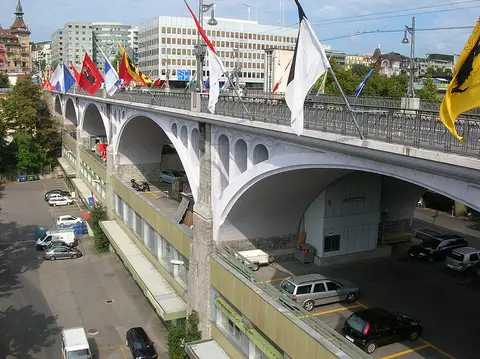
Next to the train station, Plateforme 10 has grown into an arts district that brings together the cantonal art museum, the Photo Elysée photography museum, and the mudac design museum on a former railyard. The Flon, a valley in the middle of the city, was once full of warehouses and is now the nightlife district, with bars, clubs, cinemas, and shops; the Grand-Pont arches high above it. The neighboring towns of Pully and Prilly have merged with the city; the writer Charles Ferdinand Ramuz spent his last decades in Pully.
Food and the Vineyards of Lavaux
Vaudois cuisine includes papet vaudois, a leek and potato dish served with saucisson, perch fillets from the lake, and malakoffs, fried cheese fritters. The wine of choice is Chasselas, a light white. East of the city, the terraces of Lavaux begin, stretching for about 30 kilometers (19 miles) along the slopes above the lake and part of the UNESCO World Heritage list since 2007. Hiking trails lead through the villages of Cully, Epesses, and Chexbres, where winemakers pour wine in their cellars. In July, the Festival de la Cité fills the Old Town with concerts.
Getting There and Best Time to Visit
From Geneva Airport, the train takes about 45 minutes to Lausanne, and hotel guests can use local public transportation for free. Boats connect to Évian, Montreux, and Geneva. The best time to visit is from May to October, with the grape harvest in September and October.