
Vacation in Austria: From Vienna to the Alps
Travel guide · editorialA vacation in Austria can begin in the morning in a coffeehouse with a Melange and end in the afternoon at an alpine hut with views of 3,000-meter peaks. Hardly any other country in Europe combines so much high mountain scenery with so much imperial city culture in such a relatively small area.
Mountains, Lakes, and Wine Country
Around two-thirds of Austria is alpine. In the west, in Tyrol and Vorarlberg, peaks rise above 3,000 meters, and the Grossglockner in the Hohe Tauern, at 3,798 meters, is the country's highest mountain. The Grossglockner High Alpine Road winds through 36 hairpin turns up to Kaiser-Franz-Josefs-Höhe, where you look out over the Pasterze, the longest glacier in the Eastern Alps. In the Salzkammergut, lakes such as Wolfgangsee, Traunsee, and Hallstätter See lie between steep limestone cliffs, and in Carinthia, the Wörthersee reaches swimming temperatures in summer that you'd more likely expect on the Mediterranean.
The east shows a completely different face. In the Wachau, the Danube runs between terraced vineyards and apricot orchards from Melk to Krems, and in Burgenland lies the shallow Lake Neusiedl, a steppe lake with a belt of reeds, storks on the chimneys, and plenty of wind for windsurfers. Southern Styria, with its steep vineyard slopes, is compared to Tuscany for good reason.
Sights in Austria: The Cities
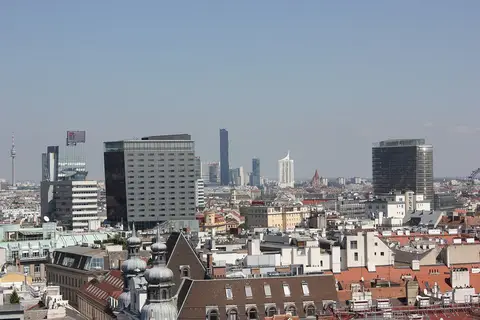
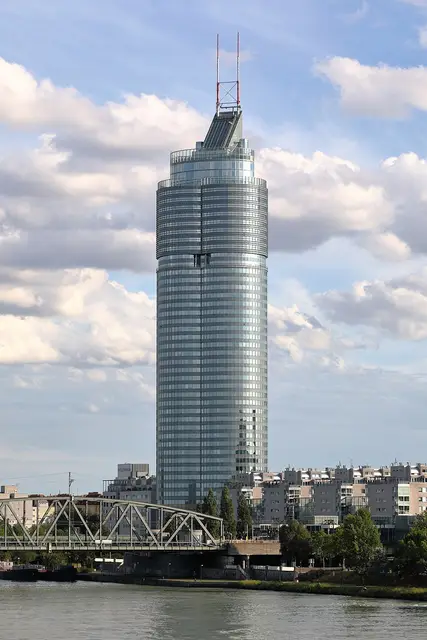
Vienna is the undisputed center. The Hofburg, Schönbrunn Palace with its Baroque gardens, and Belvedere Palace with Klimt's "The Kiss" tell the story of 640 years of Habsburg rule. Just as important is everyday life: the coffeehouse, where you can read the newspaper for hours over a glass of water, the Naschmarkt, the Heuriger wine tavern on the edge of the city in Grinzing or Stammersdorf, where the owner pours his own wine. In the evening, the State Opera and the Musikverein perform at world-class level, and in the Prater, the Giant Ferris Wheel has been turning since 1897.
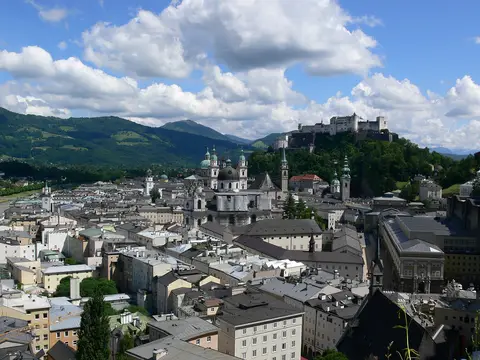
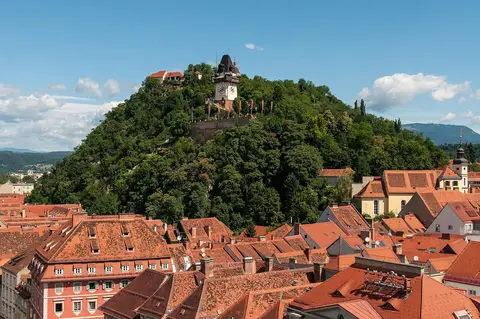
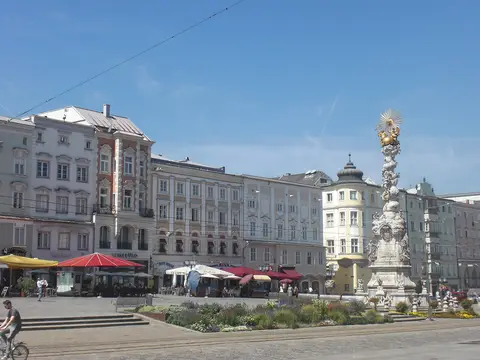
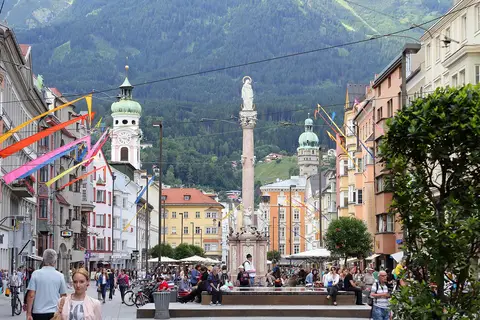
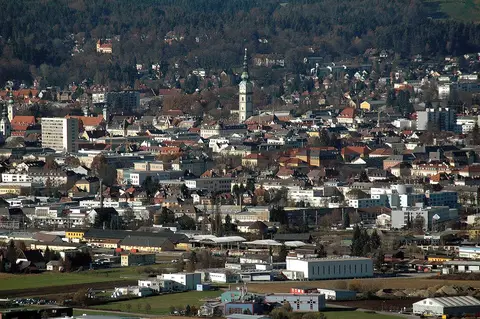
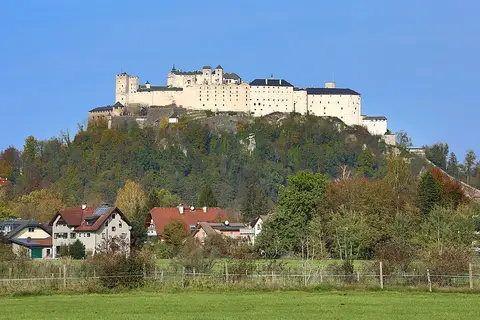
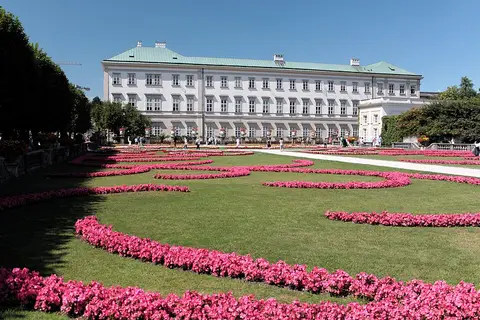
Salzburg lives with and from Mozart, whose birthplace stands on Getreidegasse. Hohensalzburg Fortress towers over the Baroque old town, and every summer the Salzburg Festival turns the city into a stage. Innsbruck sits so close to the mountains that the Nordkette cable car takes you from the city center to over 2,000 meters in about 20 minutes. Graz, the second-largest city, combines a well-preserved old town with modern architecture such as the Kunsthaus, which locals call the "Friendly Alien." Linz has transformed from an industrial hub into a cultural city with the Ars Electronica Center, and Klagenfurt am Wörthersee has a relaxed, southern feel.
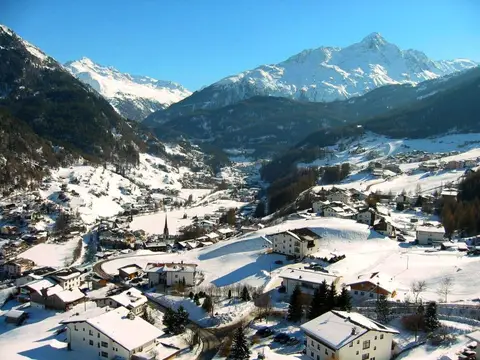
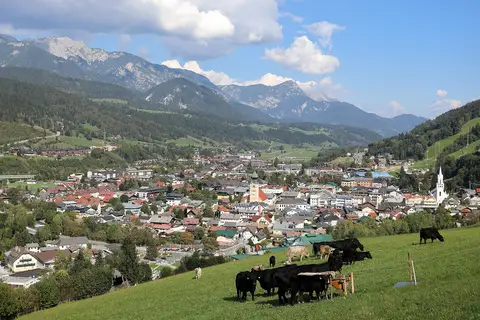
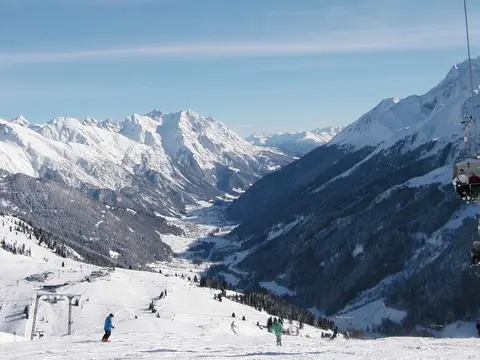
Among the most popular destinations in Austria are also the major winter sports resorts: Sölden in the Ötztal, Saalbach-Hinterglemm with its Skicircus, Schladming at the foot of the Dachstein, and St. Anton am Arlberg, where alpine skiing received key impetus in the 1920s. In summer, the same slopes become hiking trails and mountain bike trails.
Culture and History
The Habsburgs ruled from Vienna over an empire that stretched from Bohemia to Bosnia, and this past still shapes architecture, cuisine, and identity today. Mozart, Haydn, Schubert, Strauss, and Mahler made the country a musical powerhouse, and the New Year's Concert of the Vienna Philharmonic is broadcast worldwide. Around 1900, Klimt, Schiele, Otto Wagner, and Sigmund Freud made Vienna a laboratory of modernity.
In the countryside, traditions hold on especially stubbornly. In autumn, decorated cows are driven down to the valley in the Almabtrieb, in the weeks before Christmas Krampuses in furs and wooden masks run through the streets in many Alpine valleys, and in spring maypoles are raised. Here, traditional dress is not a costume but is worn quite naturally at weddings, parish fairs, and festivals.
Food and Drink
Wiener Schnitzel made from veal, fried golden brown in clarified butter, is the best-known dish, but it is only the beginning. Tafelspitz with apple horseradish and chive sauce, goulash, Carinthian Kasnudeln, Tyrolean bacon dumplings, and Kaiserschmarrn with plum compote are part of the standard repertoire. In Styria, dark green pumpkin seed oil is drizzled over salad and even over vanilla ice cream. With coffee, you'll find Sachertorte, apple strudel, or topfen (curd cheese) strudel.
When it comes to wine, Grüner Veltliner comes first, along with Riesling from the Wachau and robust reds such as Blaufränkisch and Zweigelt from Burgenland. In the Heurigen and Buschenschänken, the young wine is served with a Brettljause of cured bacon, cheese, and spreads.
Getting There and Getting Around
The main airport is Vienna-Schwechat (VIE), with smaller airports in Salzburg (SZG), Innsbruck (INN), Graz (GRZ), Linz, and Klagenfurt. From Germany, the train is often the more comfortable choice: Railjets and ICE trains run from Munich to Vienna in about four hours, and Nightjets connect Hamburg, Berlin, and other cities overnight with Vienna and Innsbruck. Within Austria, the Klimaticket gives you a year of access to almost all public transportation. If you drive, you need a vignette for highways and expressways, which is also available digitally. For some routes, such as the Brenner or Tauern motorways, an additional special toll is charged.
Best Time to Visit Austria
The best time to visit Austria depends on your destination. June through September is best for hiking and mountain tours, when the huts are open and the passes are free of snow. In Vienna and at the lakes, temperatures in July and August are usually between 77 and 86 degrees Fahrenheit. May and September are ideal for city trips and the wine regions, and in October the forests around the lakes change color. The ski season begins in the glacier regions as early as October; in most resorts it runs from early December to the end of March or mid-April. Vienna also has its own highlights, with its Christmas markets in Advent and the ball season in January.