Discover Salzburg: Mozart, the Fortress, and Baroque Alleys
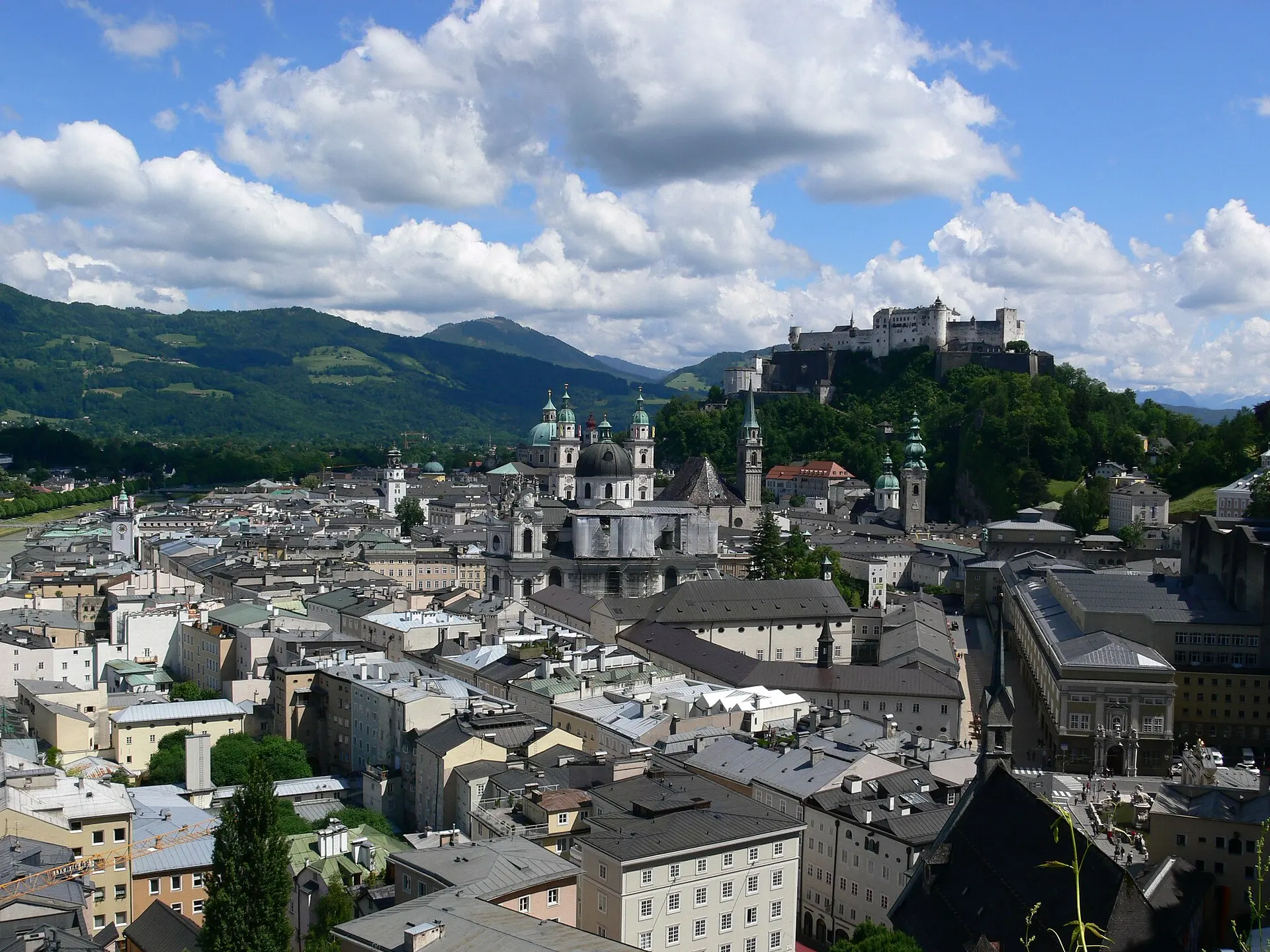
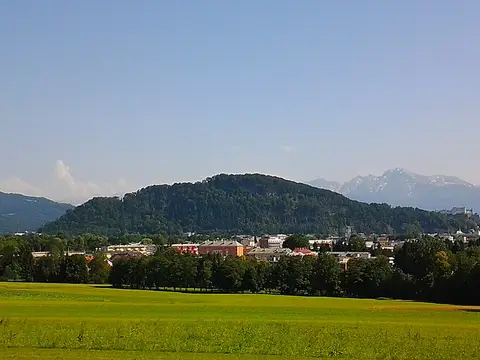
Travel guide · editorialChurch spires and domes against a backdrop of Alpine peaks, with one of the largest surviving castles in Central Europe towering above: Salzburg is both a Baroque stage set and the birthplace of Mozart. A city break in Salzburg combines music, architecture, coffeehouses, and excursions into the Salzkammergut.
City of the Prince-Archbishops
Salzburg grew rich on "white gold": salt from nearby Hallein. For centuries, prince-archbishops ruled this small, independent state and built the cathedral, the Residenz, and the squares in the Italian style, giving rise to Salzburg's nickname, the "Rome of the North." Salzburg did not become part of Austria for good until 1816. Wolfgang Amadeus Mozart was born here in 1756. In 1920, Max Reinhardt, Hugo von Hofmannsthal, and Richard Strauss founded the Salzburg Festival, today one of the world's most important festivals for opera, theater, and concerts. The Old Town has been a UNESCO World Heritage Site since 1996.
Sights in Salzburg
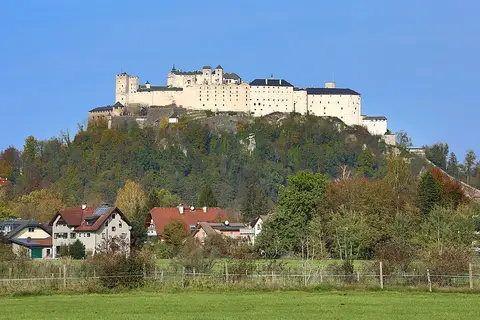
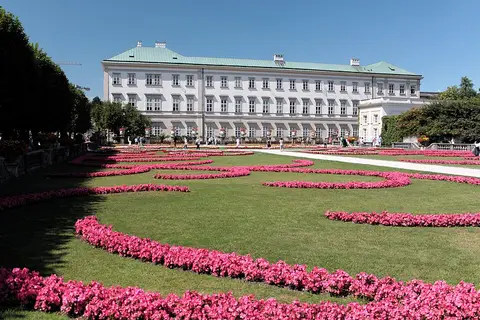
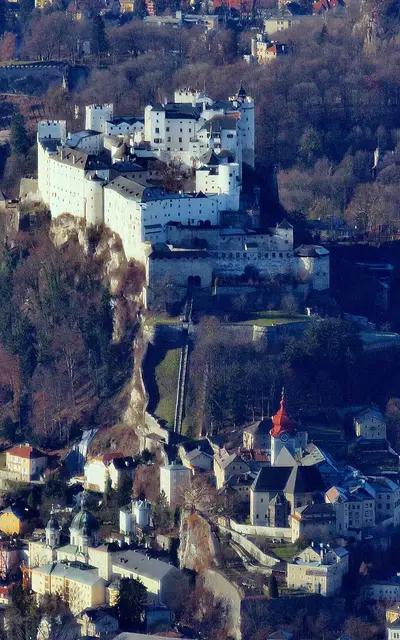
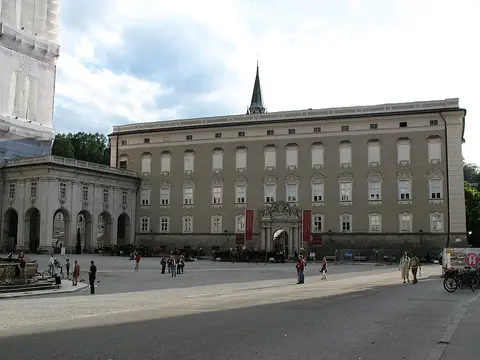
High above the Old Town sits the Hohensalzburg Fortress, dating from the 11th century and reached by funicular; from its walls you can look out over the rooftops to the mountains beyond. Below stands the Cathedral with its imposing facade, next to the Residenz and the Residenzplatz with its fountain. On the Getreidegasse, with its wrought-iron guild signs, you'll find Mozart's birthplace; his family residence on Makartplatz, on the other side of the river, is also a museum. St. Peter's Cemetery, with its catacombs carved into the rock, is one of the most atmospheric spots in the city. Across the Salzach lie Mirabell Palace and its gardens, familiar from "The Sound of Music." The best views are from the Mönchsberg, home to the Museum der Moderne, and from the Kapuzinerberg.
Neighborhoods and Culture
The Neustadt on the right bank of the Salzach, with Linzer Gasse, is quieter and popular with locals, while the Nonntal district beneath the fortress feels almost like a village. In Lehen and the Elisabeth-Vorstadt near the train station, a lively, multicultural side of Salzburg has emerged; Schallmoos and Maxglan are residential neighborhoods with breweries and taverns. Besides the summer festival, there is the Mozart Week in January and the Easter Festival. The Haus der Natur and the Salzburg Museum in the Neue Residenz are worth a visit even in the rain – and it rains often in Salzburg, the famous "Schnürlregen" (string rain).
Eating in Salzburg
Every visit ends on a sweet note: Salzburger Nockerl, a fluffy soufflé shaped like the city's three hills, are the local specialty. The original Mozartkugeln, made of pistachio marzipan and nougat, have been sold by a pastry shop in the Old Town since 1890. Heartier fare includes Kasnocken (cheese dumplings), Bosna (a bratwurst with onions and curry powder in a white bread roll), and Bratl (roast pork). At the Augustiner Bräu in Mülln, monks have been tapping beer since the 17th century, and you fetch your own stoneware mug. Restaurants in Salzburg range from traditional inns to haute cuisine. An afternoon classic is Café Tomaselli on the Alter Markt, one of the oldest coffeehouses in Austria, where waitresses carry the cakes to your table on trays. At the Grünmarkt in front of the University Church you'll find fruit, cheese, and sausages.
Getting There, Excursions, and the Best Time to Visit
The airport is only about 2.5 miles from the center, and trains run to Munich in about 90 minutes and to Vienna in just under two and a half hours. Trolleybuses serve the city, and the Old Town is best explored on foot. Worthwhile excursions lead to Hellbrunn Palace with its trick fountains, the Hallein salt mine, the lakes of the Salzkammergut, and Berchtesgaden. The best time to visit is from May to September; in Advent, Christmas markets at the cathedral transform the city.