Styria: Green Heart Between the Dachstein and Wine Country
Travel guide · editorialStyria calls itself the "Green Heart of Austria": more than half of its area is forested. A vacation in Styria takes you from the glaciers of the Dachstein to the pilgrimage basilica of Mariazell and on to the wine country of southern Styria with its Buschenschank wine taverns, and right in the middle lies Graz, Austria's second-largest city.
From the Alps to the Rolling Hills
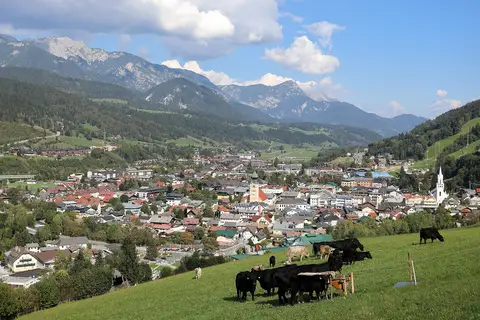
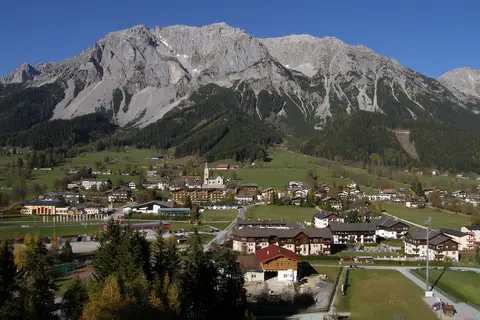
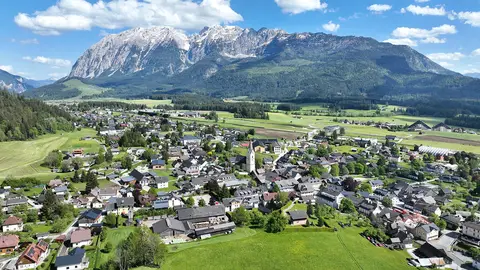
Upper Styria in the north is Alpine: the Enns Valley with Schladming and Ramsau lies beneath the south faces of the Dachstein, and the Ausseerland region with Bad Aussee, Altaussee, and Bad Mitterndorf belongs to the Styrian Salzkammergut. Farther east rise the Low Tauern, the Gesäuse with its wild limestone cliffs, and the Hochschwab massif. To the south the land flattens out: eastern Styria is a hilly landscape of thermal spas and orchards, while southern and western Styria are wine country with steep vineyard slopes along the Slovenian border.
Graz and the Towns of Styria
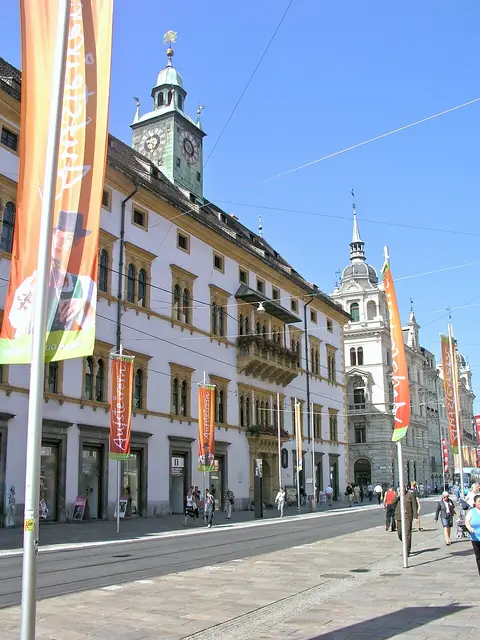
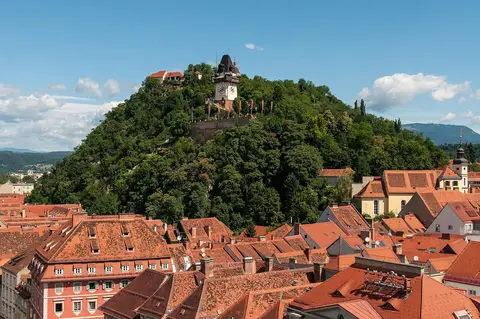
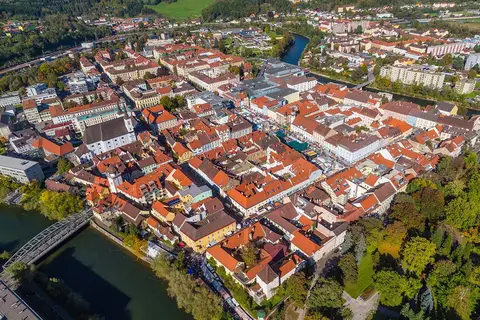
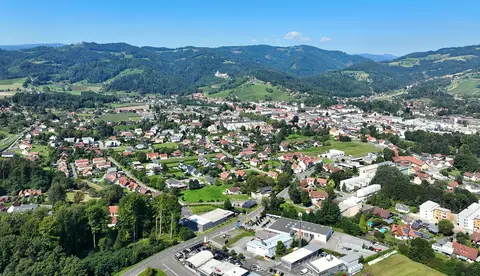
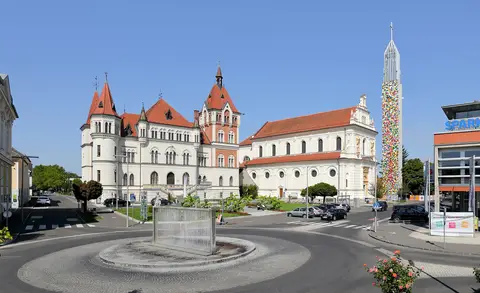
Graz has one of the best-preserved old towns in Central Europe, which, together with Eggenberg Palace, is a UNESCO World Heritage Site. The Clock Tower on Schlossberg is the city's landmark, while the Kunsthaus, nicknamed the "Friendly Alien" for its shape, and the Murinsel bring modern architecture to the city. Graz is a university and industrial city, with car manufacturing at Magna Steyr. Schladming is a World Cup venue with the night slalom on the Planai, and Ramsau am Dachstein is a cross-country skiing and hiking village on a high plateau; from there the glacier cable car runs up the Dachstein. Haus im Ennstal shares its ski area with Schladming. Leoben is a mining university town and home of Gösser beer, and Mariazell is Austria's most important pilgrimage site. Deutschlandsberg lies on the Schilcher Wine Road of western Styria.
Other destinations in Styria include Bad Aussee with its Narcissus Festival, Bad Radkersburg on the Mur with thermal spas and an old town, Murau with its brewery and wood museum, and the thermal spa region around Bad Waltersdorf and Loipersdorf. The wine country is home to Ehrenhausen, Gamlitz, and Kitzeck, one of the highest-lying wine villages in Europe.
Sights in Styria
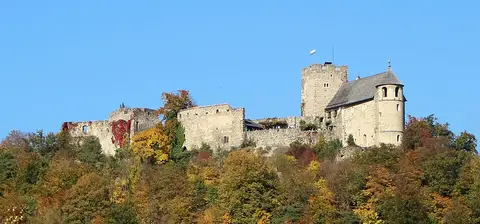
Sights in Styria include the Erzberg near Eisenerz, a terraced open-pit mine that you can tour in a giant dump truck; Admont Abbey, a Benedictine monastery with the largest monastery library in the world; and Riegersburg Castle, perched on a volcanic rock in eastern Styria. The Stübing Open-Air Museum shows farmhouses from all over Austria, and the Lipizzaner stud farm at Piber in western Styria is home to the horses of the Spanish Riding School. The Hundertwasser Spa in Bad Blumau, the Green Lake near Tragöß, and the Lurgrotte cave near Peggau are further destinations.
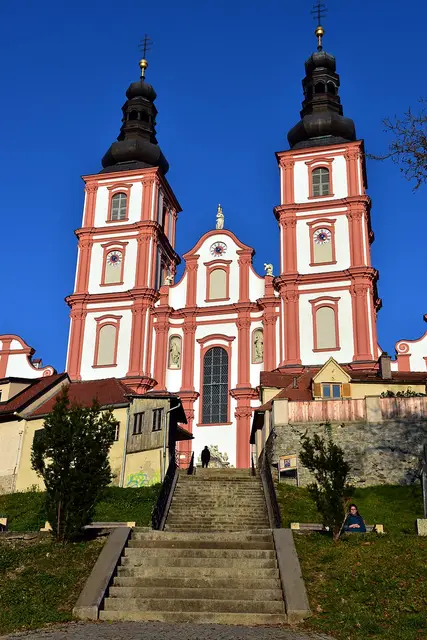
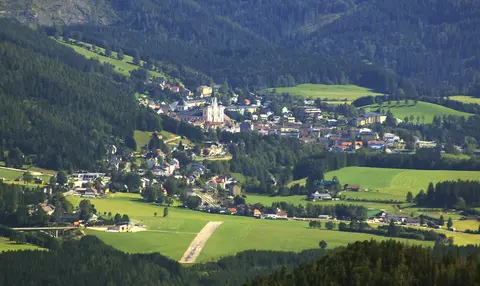
Another highlight is Herberstein Castle with its animal park and gardens in eastern Styria, and in Mariazell the basilica with its miraculous image has drawn pilgrims from all over Central Europe since the 12th century. The Bärenschützklamm gorge near Mixnitz, a trail over ladders and bridges along a mountain stream, and the Hochschwab with its alpine pastures are popular hiking destinations. In winter, Schladming-Dachstein, the Planai, and the Tauplitz are well-known ski regions.
Food and Drink
Styrian pumpkin seed oil, dark green and nutty, goes on salads and even on vanilla ice cream. In the Buschenschank taverns of the wine country you'll find Brettljause platters with Verhackert spread, runner bean salad, and Wurzelfleisch (boiled pork with root vegetables), served with Sauvignon Blanc, Welschriesling, Pinot Blanc, and, in western Styria, the rosé-colored Schilcher. Styrian fried chicken, Heidensterz, pumpkin seed oil bread, and apples from eastern Styria are also part of the local cuisine. Zotter in Riegersburg produces unusual chocolates.
Culture and Traditions
Styria has a lively folk culture with brass band music, traditional costumes, and cattle drives down from the high pastures. In the Ausseerland, carnival is celebrated with the Trommelweiber and Flinserln, and the Narcissus Festival in Bad Aussee celebrates the bloom of the mountain meadows at the end of May. Graz hosts the steirischer herbst art festival and the Styriarte classical music festival. Archduke Johann, who promoted agriculture and education in the 19th century, remains a figure of regional identity to this day.
Getting There and Best Time to Visit
Graz is about 2.5 hours from Vienna by train; the Koralm Tunnel has also made the connection to Klagenfurt much faster. Graz Airport has connections to several German cities. The best time to visit is May through October, with fall especially lovely in the wine country during the grape harvest and chestnut season; skiers come to Schladming from December through March.