Tyrol: Peaks, Glaciers, and Mountain Villages
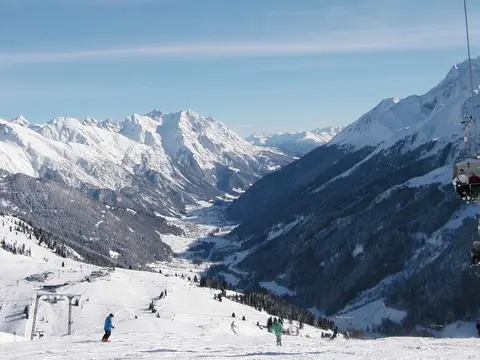
Travel guide · editorialTyrol is Austria's quintessential mountain country: more than 500 peaks above 3,000 meters, dozens of glaciers, and valleys where skiing in winter and hiking in summer are part of everyday life. A vacation in Tyrol takes you from the Alpine city of Innsbruck to ski resorts like St. Anton and Ischgl and up to alpine pastures where cheese and butter are made in summer.
Landscape Between the Inn and the Grossglockner
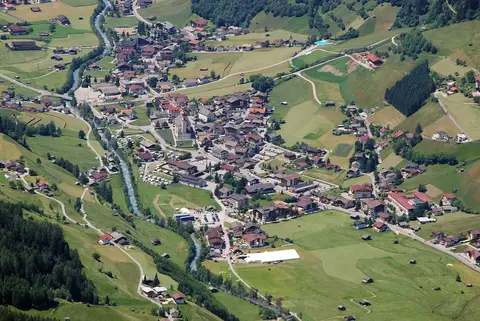
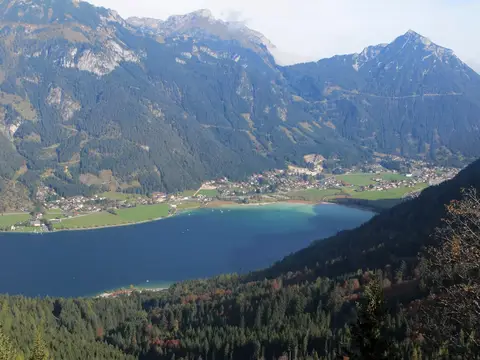
The Inn Valley runs through North Tyrol from west to east, with side valleys branching off from it: the Ötztal, the Pitztal, the Stubai Valley, the Zillertal, and the Paznaun Valley reach deep into the Central Alps. North of the Inn, the Karwendel and the Wilder Kaiser rise in pale limestone, while to the south lie the Ötztal and Stubai Alps with their glaciers. East Tyrol is separated from the rest of the state by Salzburg territory and borders South Tyrol and Carinthia; this is where the High Tauern and the Grossglockner are located. Achensee, Tyrol's largest lake, and Plansee invite you to swim in clear, cool water.
Innsbruck and Tyrolean Towns
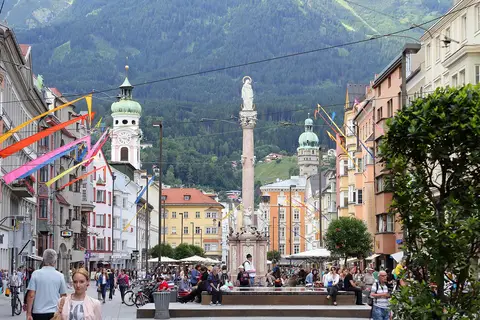
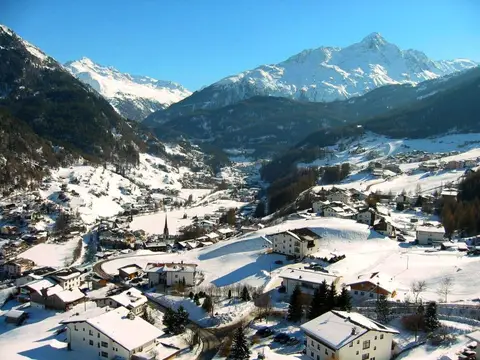
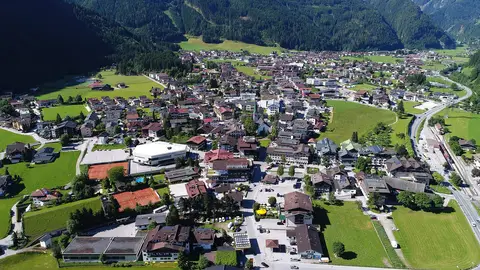
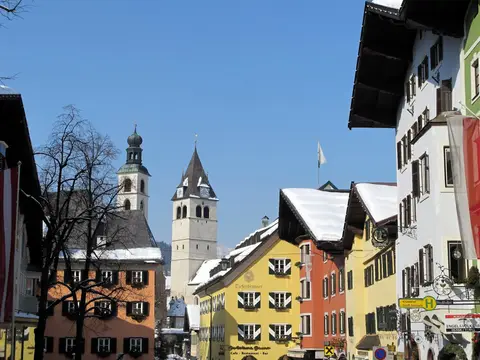
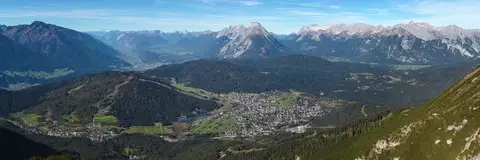
Innsbruck sits in the Inn Valley between the Nordkette range and the Tux Alps; the Hungerburg funicular, with stations designed by Zaha Hadid, and the connecting Nordkette cable cars take visitors from the Old Town to over 2,200 meters in about half an hour. In the Old Town, the Golden Roof (Goldenes Dachl), an ornate oriel window built for Emperor Maximilian I, gleams, with the Hofburg and the Court Church next to it, home to the "Black Men" (Schwarze Mander), bronze statues created for Maximilian's tomb. The Bergisel ski jump, also designed by Hadid, hosts the Four Hills Tournament. Kitzbühel is famous for the Hahnenkamm race on the Streif, Seefeld for cross-country skiing and Nordic combined. Sölden in the Ötztal opens the World Cup ski season every fall on the Rettenbach Glacier, St. Anton am Arlberg is considered the cradle of alpine skiing, and Ischgl in the Paznaun is known for après-ski and concerts. Mayrhofen in the Zillertal and Neustift in the Stubai Valley with the Stubai Glacier are hubs for skiers and hikers.
Other Tyrol destinations include Neustift in the Stubai Valley with the Stubai Glacier, Seefeld with its cross-country trails on a high plateau, the Pitztal with Austria's highest glacier ski area, and Alpbach, which calls itself one of Austria's most beautiful villages thanks to its wooden houses. The Achental and the Tannheim Valley are home to family-friendly resort villages.
Sights in Tyrol
Among the best-known sights in Tyrol are Swarovski Crystal Worlds in Wattens with its giant that spouts water, Ambras Castle in Innsbruck with its art and curiosities collection, and Kufstein Fortress above the Inn. The Krimml Waterfalls lie just across the border in Salzburg, but in Tyrol the Stuiben Falls in the Ötztal and the Umhausen Waterfalls plunge into the valley. The Ötzi Village in Umhausen commemorates the glacier mummy found at the Tisenjoch in 1991. Hall in Tirol has one of the largest old towns in western Austria and was the mint for the thaler.
Culture and Traditions
Tyrol has a history all its own: in 1809, Andreas Hofer led an uprising against Bavarian and French troops, and his monument stands on the Bergisel. Since 1919, historic Tyrol has been divided, with South Tyrol belonging to Italy. Marksmen's companies, brass bands, and traditional costumes shape local festivals, as do the cattle drives down from the alpine pastures in fall. In winter, Perchten and Krampus figures roam through the villages, and the carnival in the Upper Inn Valley, such as the Schemenlaufen in Imst, is a UNESCO cultural heritage tradition.
Food and Drink
In mountain huts and country inns, the menu features Tyrolean Gröstl with potatoes, bacon, and a fried egg, Kaspressknödel (cheese dumplings), Schlutzkrapfen (filled pasta pockets), and Kasspatzln (cheese noodles). Tyrolean Speck is smoked and air-dried, and the Graukäse from the Zillertal is a lean, tangy sour-milk cheese. To finish, there is Kaiserschmarrn or apple strudel, and schnapps made from stone pine, rowanberry, or apricot.
Getting There and Best Time to Visit
Innsbruck is on the Munich–Verona rail line and can be reached from Munich in just under two hours; in winter, Innsbruck Airport is served by flights from many countries. The Brenner Base Tunnel to Italy is under construction. The best time for skiers is December through April, and on the glaciers sometimes longer; hikers come from June to October, when the huts are open.