Discover Norway: Fjords, Fjell, and the Northern Lights
Travel guide · editorialIf you're planning a vacation in Norway, you'll quickly realize that distances count differently here: from Kristiansand in the south to the North Cape, it's roughly 1,250 miles (2,000 kilometers) by road, broken up by fjords, ferries, and high plateaus. In between lie wooden towns on the water, glacier tongues, and islands where the sun never sets in June.
Fjords, Fjell, and Islands: The Landscapes of Norway
The picture most people have in mind comes from western Norway. The Geirangerfjord and the Nærøyfjord are both on the World Heritage list, and once you've taken the ferry between Hellesylt and Geiranger, you'll understand why: waterfalls like the Seven Sisters plunge almost vertically into the fjord, and abandoned farms cling to the slopes, once reachable only by ladder. The Sognefjord, at over 200 kilometers the longest in the country, stretches all the way to the foot of the Jostedalsbreen, the largest glacier on the European mainland. Farther south, above the Lysefjord near Stavanger, the Preikestolen rises 604 meters above the water, a destination that takes about two hours each way on foot.
Inland, the Hardangervidda spreads out, Europe's largest high plateau, where reindeer herds roam and hikers go from hut to hut. The Lofoten Islands north of the Arctic Circle feel entirely different: red rorbuer, the old fishermen's cabins on stilts, racks full of drying cod, and granite peaks rising straight out of the sea. Even farther north, Finnmark begins with its barren tundra and the North Cape, which many travelers reach aboard a Hurtigruten ship.
Oslo, Bergen, and the Cities on the Water
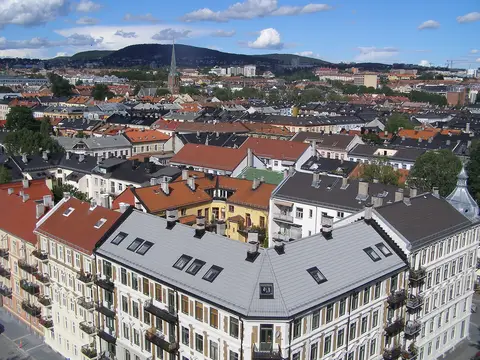
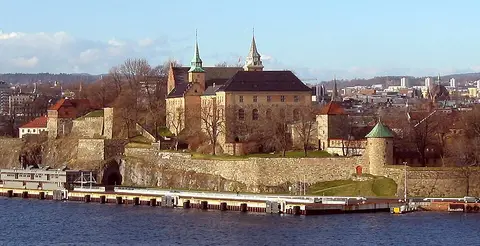
Many of Norway's attractions are in nature, but the cities are more than mere stopovers. In recent years, Oslo has reinvented itself along its harbor. Around the Opera House, whose marble roof you can walk on, the Munch Museum and the National Library have sprung up, and the new National Museum shows one version of Edvard Munch's "The Scream." On the Bygdøy peninsula you'll find the Fram Museum with Roald Amundsen's polar ship and the Kon-Tiki Museum; in Frogner Park stand more than 200 sculptures by Gustav Vigeland. In the evening, locals meet up in Grünerløkka, a former working-class district with cafés and small bars.
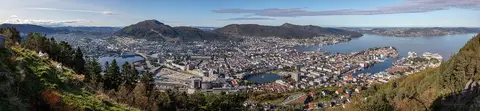
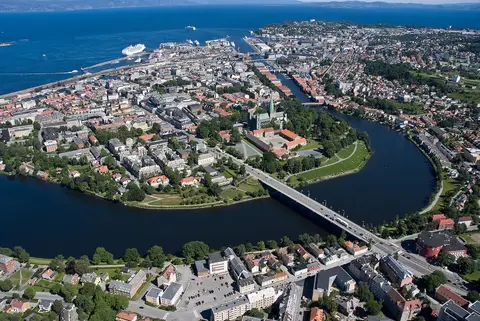
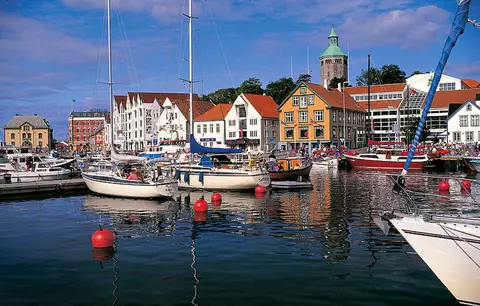
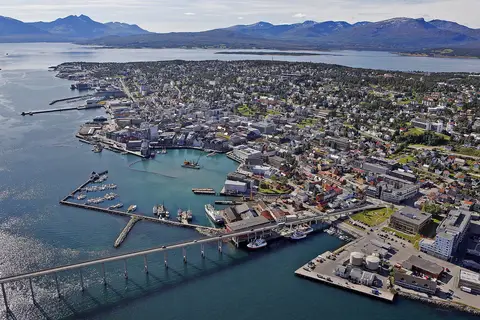
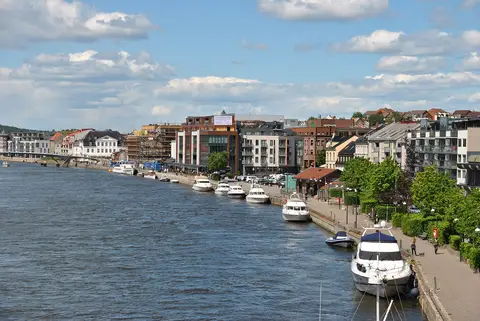
Bergen, the rainiest large city in the country, was once a trading post of the Hanseatic League. The colorful wooden houses of Bryggen are now a World Heritage site, and from the fish market the Fløibanen funicular takes you up the city's local mountain. Trondheim is worth a visit for the Nidaros Cathedral, a pilgrimage destination since the Middle Ages, and the warehouses along the Nidelva river. Stavanger lives off oil but has kept plenty of charm in its old town, Gamle Stavanger, with its white wooden houses. Tromsø, the "Gateway to the Arctic," with its Arctic Cathedral and lively pub scene, is the starting point for northern lights tours. If you prefer smaller places when choosing your Norway destinations, you'll find them in Ålesund with its Art Nouveau facades, in Kristiansand on the south coast, or in Bodø, European Capital of Culture 2024 and close to Saltstraumen, one of the strongest tidal currents in the world.
History and Culture: From Vikings to the Sami
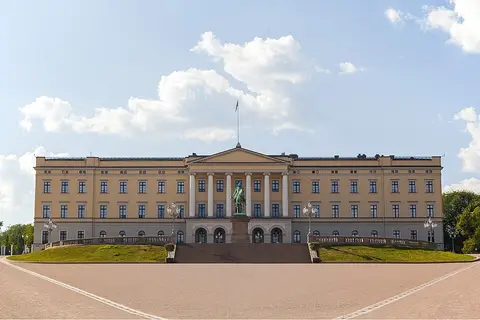
Norway has only been an independent kingdom since 1905, but its history reaches back much further. Viking finds such as the Oseberg ship bear witness to the era when seafarers set out from here to reach Ireland, Iceland, and Greenland. The stave churches date from the Middle Ages, elaborately crafted wooden buildings with dragon heads on the gables; the church at Urnes on the Lustrafjord is the oldest surviving one and a World Heritage site, and those at Borgund and Heddal are just as worth seeing. The Sami live in the north, and you can encounter their culture in Karasjok and Kautokeino, for example at the Easter festival with reindeer racing and joik singing. The most important holiday is May 17, the national holiday, when entire towns take to the streets in traditional dress, the bunad, and there are children's parades instead of military parades.
Food and Drink: Fish, Brunost, and Waffles
Norwegian cuisine has a lot to do with preserving food. Stockfish from the Lofoten Islands, air-dried and hard as wood, has been exported to southern Europe for centuries. At Christmastime, lutefisk is served, dried fish soaked in lye, while in the west it's pinnekjøtt, salted and steamed lamb ribs. Fresh salmon, king crab from the Barents Sea, and shrimp that you buy straight off the boat in the harbor are available almost everywhere. A classic is brunost, a caramel-like brown cheese made from whey, which you slice with a cheese slicer, a Norwegian invention, onto waffles or bread. You'll drink coffee with it, and plenty of it. Alcohol is expensive, and wine and spirits are sold only at the state-run Vinmonopolet; the potato-based spirit aquavit traditionally matures in casks that have crossed the equator on ships.
Getting Around Norway: Arrival, Train, Ferry, and Car
Most travelers land at Oslo-Gardermoen, with direct flights from Germany also going to Bergen, Stavanger, and, in winter, some to Tromsø. If you're arriving by car, take the ferry from Kiel to Oslo or from Hirtshals in Denmark to Kristiansand, Larvik, Stavanger, or Bergen. Within the country, the Bergen Railway between Oslo and Bergen is one of the most beautiful rail lines in Europe; from Myrdal, the steep Flåm Railway branches off down to the Aurlandsfjord. Roads are good but narrow and winding, and toll stations operate automatically via your license plate. Plan generously for daily stages and factor in ferry times. Hurtigruten and its competitor Havila connect more than 30 ports daily between Bergen and Kirkenes and in the north are often simply the locals' means of transportation.
Best Time to Visit Norway: Midnight Sun or Northern Lights
The best time to visit Norway depends on what you want to experience. For hiking, fjord cruises, and road trips, June through August is ideal, when daytime temperatures in Oslo and Bergen reach 64 to 77°F (18 to 25°C) and many mountain passes are only snow-free from late May. North of the Arctic Circle, the midnight sun shines then, in Tromsø from about late May to late July. In September, the fjell turns red and yellow and the trails empty out. If you want to see the northern lights, travel between late September and March to Tromsø, the Lofoten Islands, or Finnmark; the dark weeks around the turn of the year have a charm all their own. Skiing and dog sledding tours are most pleasant from February to April, when the days are getting longer again and places like Lillehammer or Geilo are still deep in snow.