Innlandet: Mjøsa, Lillehammer and Jotunheimen
Travel guide · editorialInnlandet is Norway's only county without a coastline, but it is home to the highest mountains in Northern Europe, the country's largest lake and endless forests. A vacation in Innlandet means hiking in Jotunheimen, skiing around Lillehammer and steamboat trips on Lake Mjøsa.
Landscapes from lake to high mountains
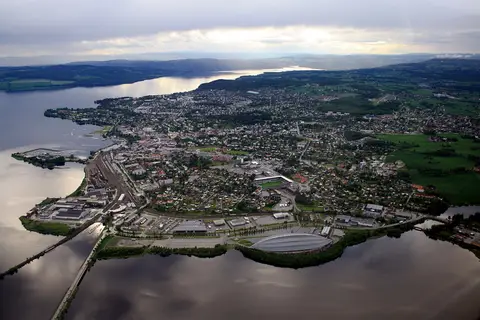
The county was created in 2020 from Hedmark and Oppland. In the south, farms and fields frame Lake Mjøsa, about 100 kilometers long, with Hamar, Gjøvik and Lillehammer on its shores. To the north, long valleys open up, such as Gudbrandsdal and Østerdal with the Glomma River. In the northwest rise the peaks of Jotunheimen, including Galdhøpiggen, at about 2,469 meters the highest mountain in Northern Europe, and the Besseggen ridge. Rondane and Dovrefjell national parks are home to wild reindeer and musk oxen. To the east lies Femund, one of Norway's largest lakes, and the Valdres valley connects the county with the fjords in the west.
Sights in Innlandet
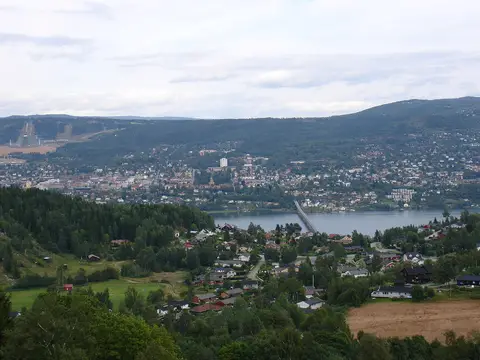
Lillehammer hosted the 1994 Winter Olympics; the ski jumps at Lysgårdsbakken and the Olympic Museum recall the Games. The Maihaugen open-air museum showcases more than 200 historic buildings, including a stave church. In Hamar, the "Viking Ship," a speed skating hall shaped like an upturned boat, is a striking arena; a glass structure protects the ruins of the medieval cathedral. In summer, the Skibladner, the oldest paddle steamer still in service in the world, sails across the lake from Hamar and Gjøvik. In Gjøvik, an ice hall was blasted into a mountain for the Olympics. Elverum is home to the Norwegian Forestry Museum, and Lom in Gudbrandsdal has a large stave church. The mining town of Røros lies just across the border in Trøndelag, but Lake Femund and the forests around Engerdal belong to Innlandet. Hamar also has an open-air museum with medieval ruins and gardens on the Domkirkeodden peninsula. Valdres has several stave churches, Beitostølen is a cross-country skiing hub, and the Norwegian Mountain Museum in Lom tells the story of peaks and mountaineers. One of the highest mountain pass roads in Northern Europe leads over the Sognefjell from Lom to the Sognefjord.
Culture and traditions
The story of Peer Gynt, immortalized by Henrik Ibsen and Edvard Grieg, is set in Gudbrandsdal; Vinstra celebrates it with a festival in summer. The region is farm country with old mountain farms, called sæter, where cheese and butter are made in summer. The region is home to many cross-country skiers and biathletes, and the forests around Trysil are home to Norway's largest ski resort. In winter, dogsled teams race through the forests around Røros and Femund in the Femundløpet, one of Europe's longest races.
Food, getting there and best time to visit
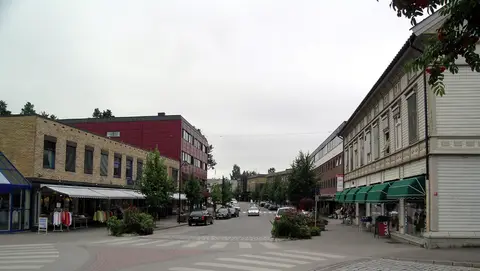
Typical specialties include rakfisk from Valdres (fermented trout), brunost from Gudbrandsdal, game, reindeer and cloudberries. The Oslo–Trondheim railway runs through Hamar and Lillehammer and up the Gudbrandsdal valley; Gardermoen Airport is near the county's southern border. The best time for mountain hiking is July to September, and for cross-country skiing February and March. At the mountain farms, brunost, rømme (sour cream) and spekemat (cured meats) are sold directly in summer, and in Lillehammer, cafés in old wooden houses on Storgata are inviting.