
Discover Oslo: Fjord, Opera, and Munch
Travel guide · editorialIn Oslo, you can stroll up onto the roof of an opera house, sweat in a floating sauna on the fjord after work, and be standing in the forest half an hour later after a subway ride. A city trip to Oslo reveals a capital that has reinvented itself along the water in recent years.
New Waterfront Promenade
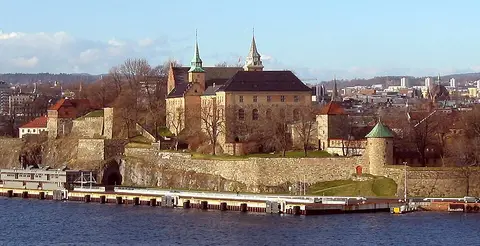
Where container ports and expressways once stood, a promenade now runs along the Oslofjord. It begins at the Opera House from 2008, whose sloping white marble roof rises from the water like an ice floe and is open to walk on freely. Next to it, the Munch Museum has towered over the waterfront since 2021, showing the world's largest collection of Edvard Munch, including versions of "The Scream." The Deichman Bjørvika library across the way is worth a look for its architecture alone. To the west, Aker Brygge and Tjuvholmen combine restaurants, apartments, and the Astrup Fearnley Museum of Modern Art. Above the harbor stands the medieval Akershus Fortress.
Sights in Oslo
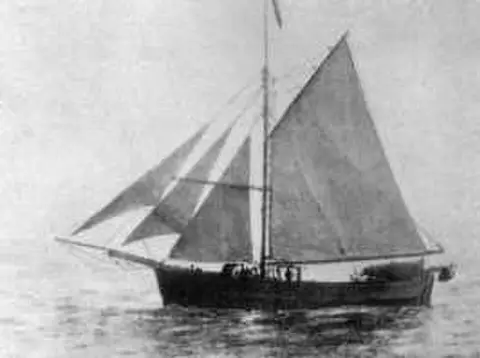
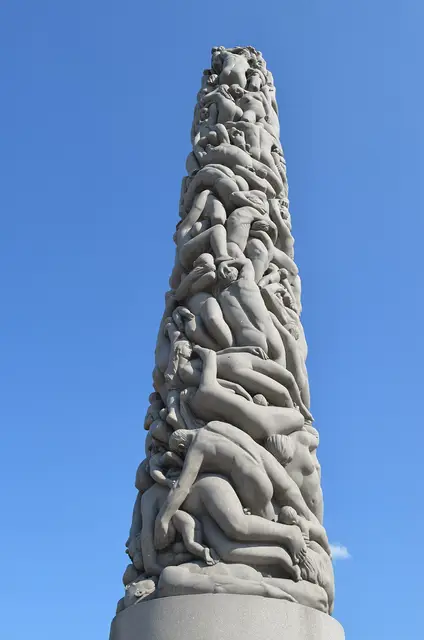
The National Museum, opened in 2022, is the largest art museum in Scandinavia. In Vigeland Park, part of Frogner Park, you'll find more than 200 sculptures by Gustav Vigeland, crowned by the Monolith, a column of intertwined bodies. On the Bygdøy peninsula, reachable by ferry, you'll find the Norwegian Museum of Cultural History with a stave church, as well as the museums for the polar ship Fram and the Kon-Tiki raft. The Viking Ship Museum is being converted into the Museum of the Viking Age, with reopening planned for 2027. High above the city stands the ski jump at Holmenkollen, with a ski museum and observation deck.
From Christiania to Oslo
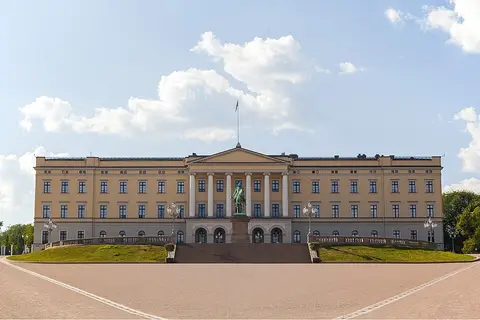
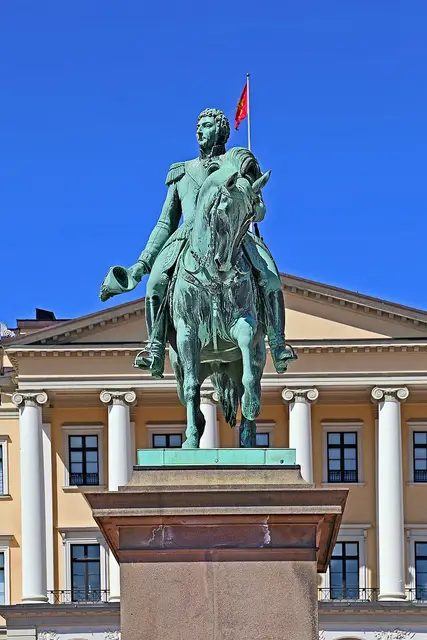
The city was founded around the year 1040 but burned down in 1624. King Christian IV then had it rebuilt under the protection of Akershus Fortress and named it Christiania. It didn't regain its old name until 1925. Oslo has been the capital since Norway's independence in 1905; the palace at the end of Karl Johans gate, the main street, is the king's residence, and the Nobel Peace Prize is awarded every year on December 10 in City Hall, with its murals.
Neighborhoods, Food, and Nightlife
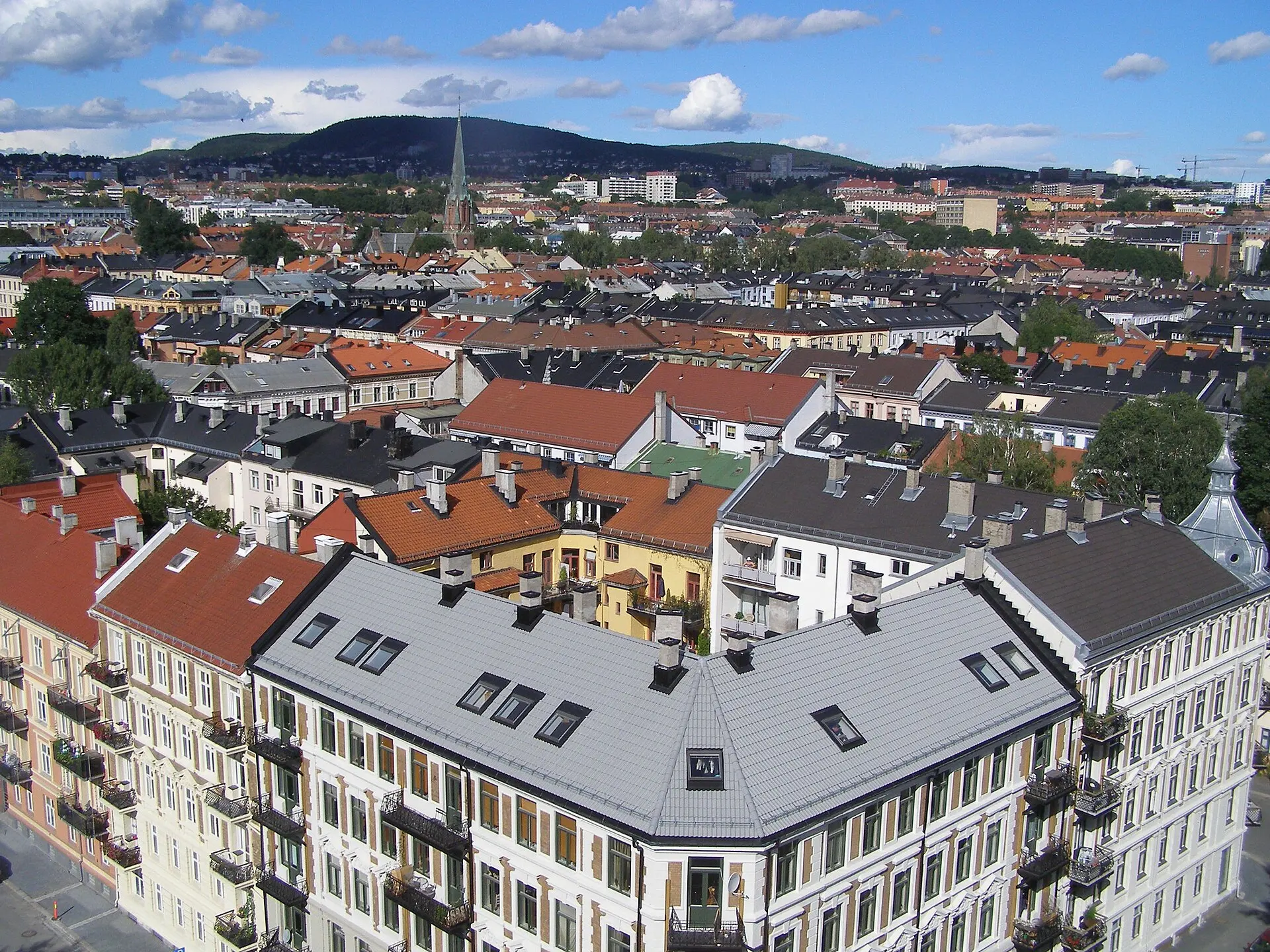
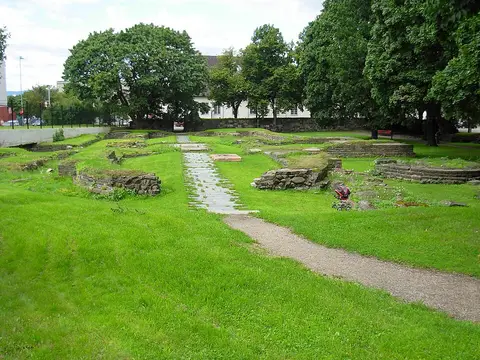
The former working-class district of Grünerløkka on the Akerselva river is now the center for secondhand shops, cafés, and bars. This is also home to Mathallen, a food hall with Norwegian specialties such as reindeer sausage, brunost, the sweet brown cheese, and fresh shrimp. St. Hanshaugen and Sagene are quieter, while Gamle Oslo holds the remains of the medieval city. Eating out in Oslo is expensive, but fish soup, cinnamon buns, and hot dogs from a kiosk are affordable classics. The restaurant scene ranges from New Nordic cuisine to street food.
Getting Around and Best Time to Visit
The Flytoget airport express takes travelers from Gardermoen to the central station in about 20 minutes. The subway, trams, and ferries to the islands in the fjord all use the same ticket. The best time to visit is between May and September, when the days are long and you can swim on islands like Hovedøya. In winter, cross-country ski trails in Nordmarka, reachable by T-bane, are a big draw.