Oslo: A Capital Between Fjord and Forest
Travel guide · editorialOslo is one of the few capitals where you can swim in the fjord in the morning and hike in the forest in the afternoon without ever leaving the city limits. A vacation in Oslo means modern waterfront architecture, world-class museums, and a closeness to nature that shapes everyday life for locals.
Between the Fjord and the Marka
The city lies at the head of the Oslofjord, which breaks up here into bays and around 40 islands. To the north and east, the forested hills of the Marka surround the city, crisscrossed by lakes, cross-country ski trails, and hiking paths that you can reach by subway. Oslo is also its own county, the smallest in area and most densely populated county (fylke) in Norway. The climate is mild for its latitude, with warm summers and snowy winters. In winter, the lakes of the Marka turn into sheets of ice, and after work, locals ski on illuminated trails.
Sights in Oslo
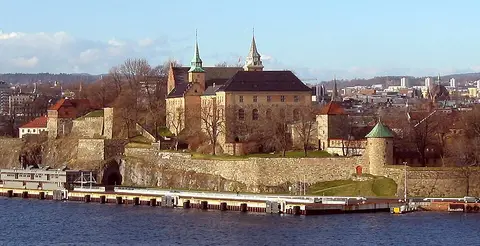
The Opera House in Bjørvika rises from the fjord like an iceberg, and you can walk across its marble roof. Right next to it stands the Munch Museum, with works by Edvard Munch, including versions of "The Scream," and across from it is the new Deichman Library. The National Museum brings together art, design, and architecture in one of the largest museum buildings in Northern Europe. On the Bygdøy peninsula you'll find the Kon-Tiki Museum, the Fram Museum, and the Norwegian Museum of Cultural History; the Viking Ship Museum is being converted into the Museum of the Viking Age. Vigeland Park in Frogner Park displays more than 200 sculptures by Gustav Vigeland, Akershus Fortress watches over the harbor, and City Hall is where the Nobel Peace Prize is awarded every year. The Holmenkollen ski jump, with its ski museum and observation deck, towers above the city. The Resistance Museum at Akershus Fortress tells a piece of modern history, and the Nobel Peace Center on City Hall Square is dedicated to the laureates. On Ekeberg Hill in the east, a sculpture park shows art in the woods, with views over the fjord and the city; this is where Munch is said to have found the inspiration for The Scream.
Neighborhoods and Islands
Aker Brygge and Tjuvholmen are modern harbor districts with restaurants and the Astrup Fearnley Museum, while Grünerløkka is the neighborhood of cafés, vintage shops, and parks along the Akerselva river. In summer, ferries run to the islands in the fjord, such as Hovedøya with its monastery ruins and Gressholmen, where you can swim and barbecue. Sørenga has a seawater pool in the middle of the city. Floating saunas line the fjord, and you can jump straight from them into the water even in winter.
Food and Drink
Oslo's cuisine ranges from pølse with lompe at a street kiosk to Michelin-starred restaurants like Maaemo. Typically Norwegian fare includes salmon, shrimp fresh off the boat at the City Hall pier, fårikål, and brunost, a brown whey cheese. Coffee bars like Tim Wendelboe have made Oslo a coffee city, and microbreweries are booming. Alcohol is expensive and, outside of bars and restaurants, is sold only at Vinmonopolet. The Mathallen food hall in the Vulkan district offers Norwegian and international specialties.
Getting There and Best Time to Visit
Gardermoen Airport is about 31 miles (50 km) to the north, and the Flytoget express train takes around 20 minutes to reach the city center. Ferries connect Oslo with Kiel and Copenhagen. The best time to visit is from May to September, with long, bright days; in winter, cross-country skiing in the Marka is the draw. The Oslo Pass includes public transportation and many museums.