Bulgaria: Black Sea Coast, Monasteries and the Rose Valley
Travel guide · editorialBulgaria has roughly 380 kilometers of Black Sea coastline, three high mountain ranges and a history that stretches from Thracian tombs to Orthodox monasteries. The country has been fully part of the Schengen Area since 2025 and has used the euro since early 2026, making a vacation in Bulgaria easier than ever.
The Black Sea Coast from Varna to Sozopol
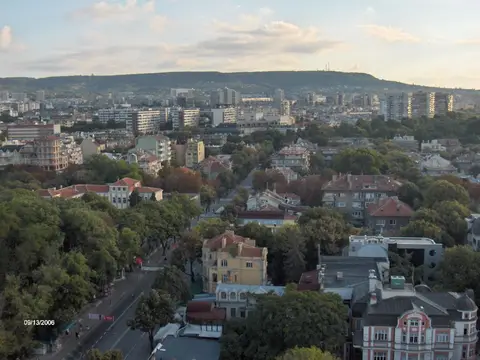
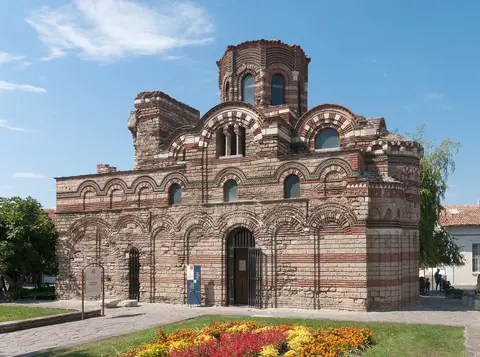
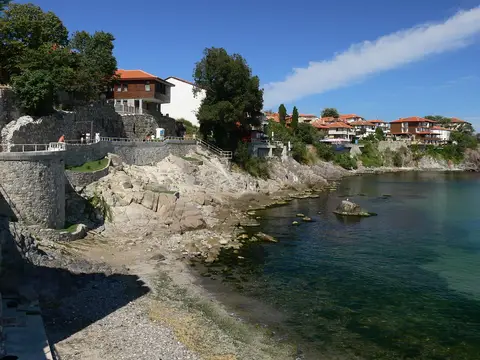
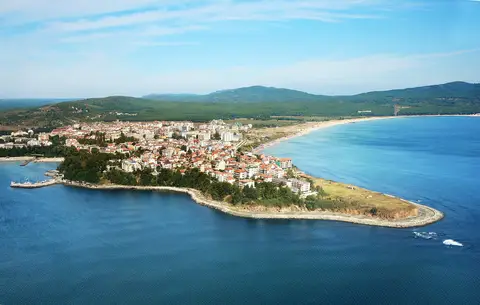
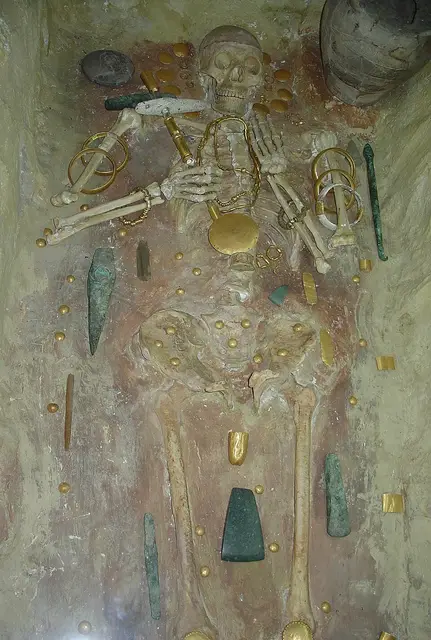
Varna is the country's summer capital, with the large Sea Garden, a park right above the beach, Roman baths in the middle of downtown and an archaeological museum that displays the oldest worked gold treasure in the world, roughly 6,000 years old. To the north lie Golden Sands and the quieter Cape Kaliakra with its red cliffs. Burgas to the south is a port and university city surrounded by lakes where pelicans and flamingos stop to rest. On a peninsula just north of it stands Nessebar, an old town full of medieval churches built of brick and natural stone, now a UNESCO World Heritage Site and busy in summer. Next door stretches Sunny Beach with its big hotel complexes. Sozopol, with its 19th-century wooden houses and the fishing boats in its harbor, has far more of a village feel, while Primorsko and the beaches around the Ropotamo River are popular with Bulgarian families.
Sofia and Plovdiv
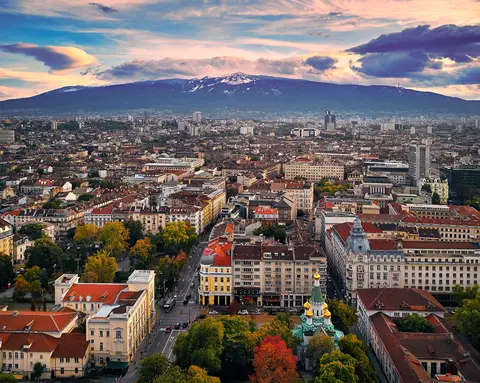
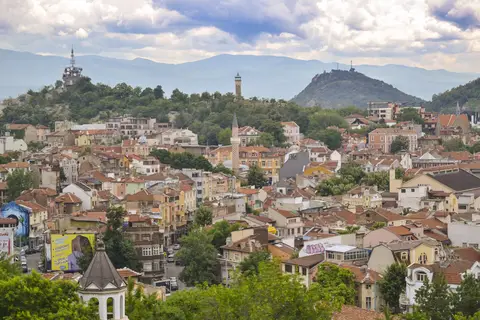
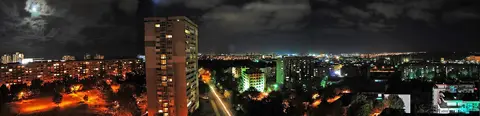
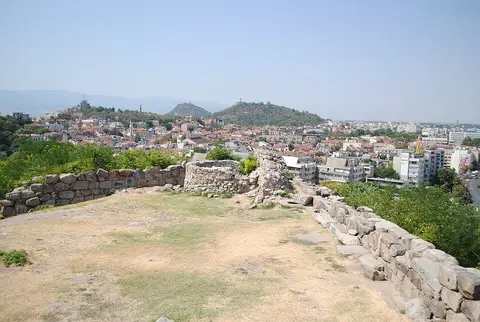
Sofia sits at 550 meters at the foot of the Vitosha Mountains, which you can reach by bus in half an hour. The city's skyline is shaped by the golden dome of the Alexander Nevsky Cathedral, the 4th-century Rotunda of St. George in the courtyard of a government building and remains of ancient Serdica, uncovered during the construction of the metro. A mosque, a synagogue, and Catholic and Orthodox churches stand only a few hundred meters from one another. The small church in Boyana on the city's outskirts preserves 13th-century frescoes considered forerunners of Renaissance painting. Plovdiv, older than Rome and Athens, is one of the oldest continuously inhabited cities in Europe. A Roman theater is used for opera performances in summer, the Kapana district is full of galleries and craft beer bars, and the old town, spread across three hills, features brightly painted townhouses from the era of the National Revival.
Sights in Bulgaria: Monasteries and Old Capitals
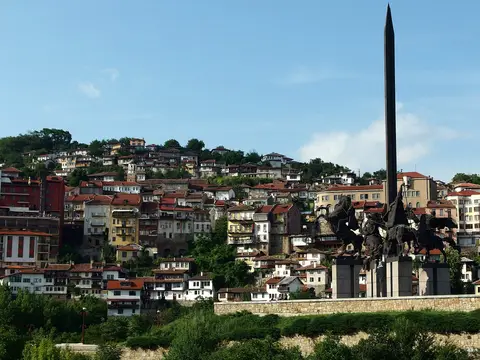
The Rila Monastery in the mountains of the same name is the country's spiritual center, with striped arcades and a church whose porch is painted with scenes of hell and paradise. If you stay overnight, you'll hear the sound of the wooden semantron in the early morning, with which the monks call people to prayer. Veliko Tarnovo, the capital of the Second Bulgarian Empire, clings in terraces to the slopes above the Yantra River. On Tsarevets Hill stands the fortress, where a sound-and-light show takes place on some evenings. Very close by lies the museum village of Arbanasi. In the Rose Valley between Kazanlak and Karlovo, rose oil is distilled in May and June, prized worldwide by the perfume industry. Near Kazanlak you'll also find Thracian tombs with preserved wall paintings. Ruse on the Danube, with its Art Nouveau facades and a bridge to Romania, is often called "Little Vienna."
Mountains and Winter Sports
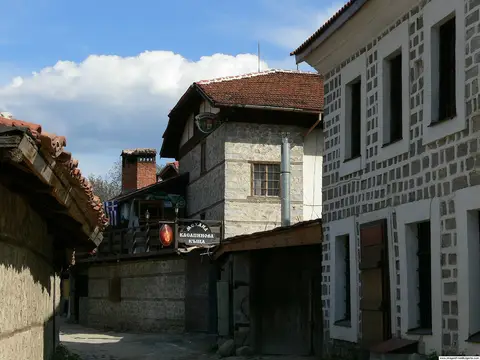
Three major mountain ranges shape the southwest: Rila, with Musala, at 2,925 meters the highest peak in the Balkans, and the Seven Rila Lakes, which you can circle on a day hike in summer; Pirin, with marble peaks and glacial lakes; and the Rhodopes farther east, a forested mid-range with gorges, caves and villages like Shiroka Laka. Bansko at the foot of Pirin is the country's best-known ski resort, with stone houses, old mehanas and runs reaching above 2,500 meters. Borovets in the Rila Mountains was already a hunting residence of the tsars in the 19th century. In summer, these towns become starting points for hikes and mountain bike tours.
Food and Drink
Bulgarian cuisine is honest and vegetable-rich. Shopska salad of tomatoes, cucumbers, peppers and grated sirene, the white sheep's cheese, is on every table, served with a glass of rakia. In summer there's tarator, a cold soup made of yogurt, cucumber, garlic and walnuts. Banitsa, a flaky pastry with cheese, is eaten for breakfast, often with ayran or boza, a lightly fermented grain drink. Kavarma, meat with vegetables in a clay pot, and grilled kebapcheta are classics in the mehanas. Bulgarian yogurt has a reputation of its own; the bacterium Lactobacillus bulgaricus bears the country's name. Red wines made from the Mavrud grape from the Plovdiv area or Melnik from the Struma Valley are full-bodied and inexpensive.
Getting Around and the Best Time to Visit Bulgaria
A tip for conversations: in Bulgaria, nodding your head often means no and shaking it means yes. Long-distance buses connect the major cities faster than the mostly slow railway, and a rental car is handy for monasteries and mountain villages. Highways require a vignette, and the electronic vignette can be bought online. In summer you can reach the most popular destinations in Bulgaria by direct flight to Varna or Burgas. The best time to visit Bulgaria for swimming is June through September, when the sea reaches around 77°F in August and the air 82 to 86°F. May, June and September are especially good for city trips and hiking. The ski season in Bansko and Borovets runs from about mid-December to the end of March, and temperatures in Sofia can then drop well below freezing.