
Discover Sofia: Domes, Thermal Springs and Vitosha
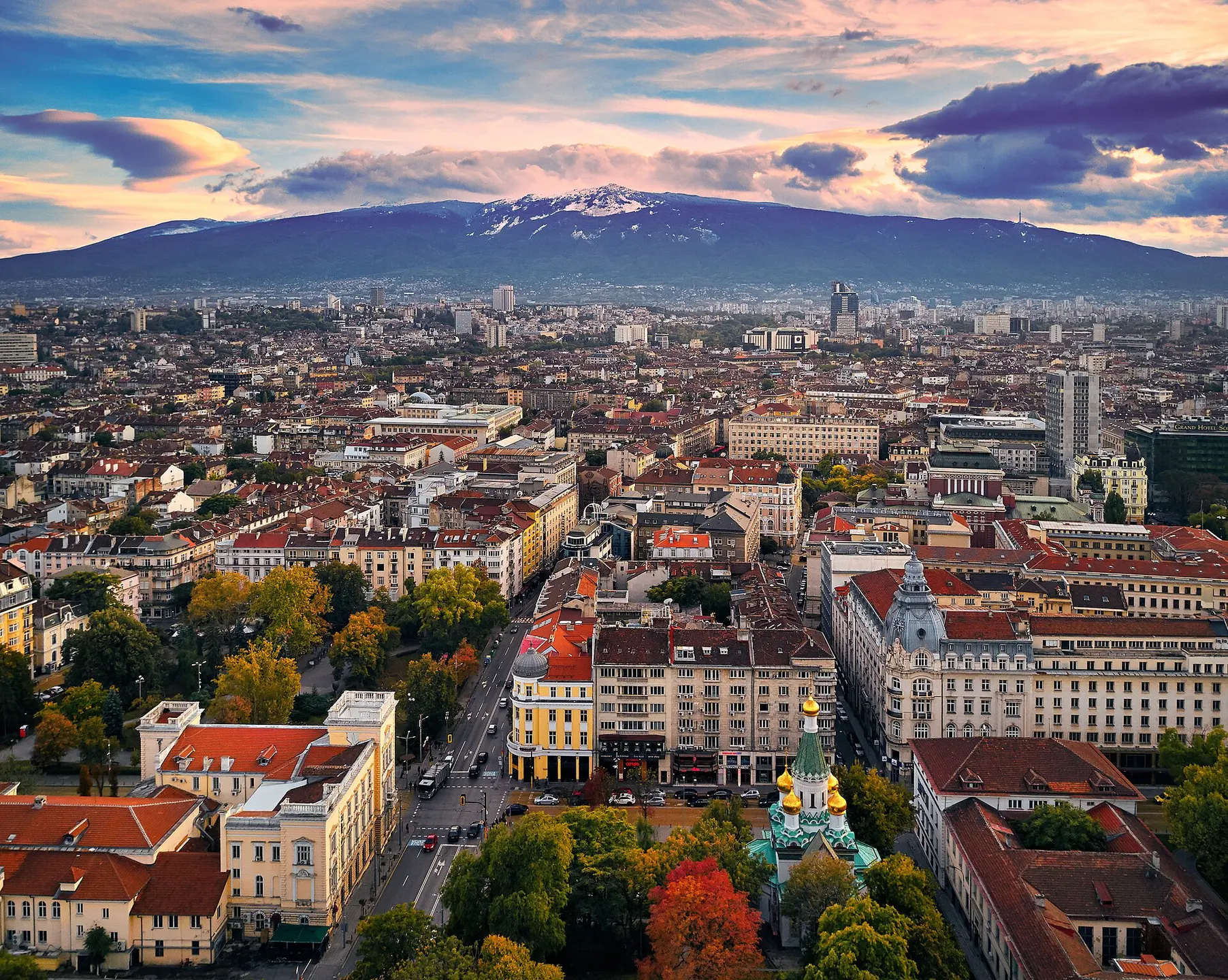
Travel guide · editorialIn Sofia, an Orthodox cathedral, a mosque, a synagogue and a Catholic church stand just a few hundred meters from one another, and between them warm mineral water bubbles from public fountains where locals fill their bottles. The Bulgarian capital, at the foot of the Vitosha mountains, is one of the oldest cities in Europe and one of the most affordable destinations for a city break. A trip to Sofia combines Roman ruins, Byzantine churches and a young café and bar scene.
Serdica, Sredets, Sofia
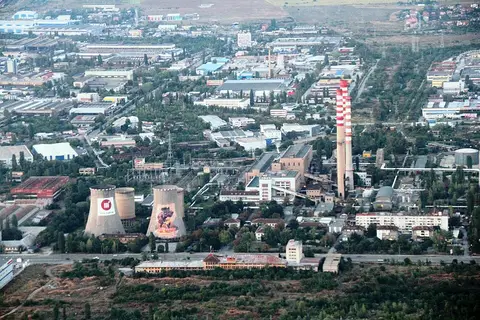
Thracians settled here around the warm springs thousands of years ago. The Romans called the city Serdica, and Emperor Constantine is said to have declared: "Serdica is my Rome." In the Middle Ages, Sredets was an important city of the Bulgarian Empire, and from 1382 almost five centuries of Ottoman rule followed. After liberation in 1878, Sofia became the capital of modern Bulgaria and gained broad boulevards, ministries and theaters. During the socialist era, monumental buildings and large prefab housing estates such as Mladost and Lyulin were built.
Sights in Sofia
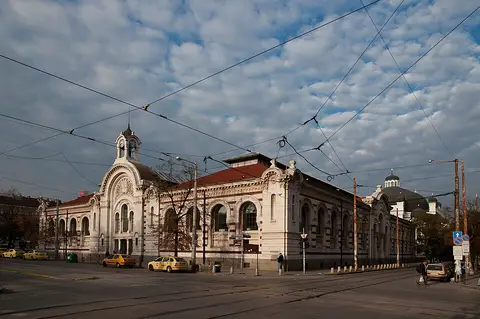
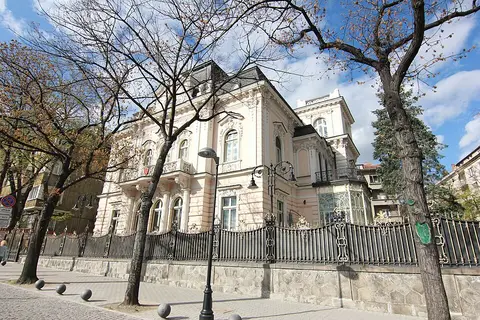
The Alexander Nevsky Cathedral with its golden domes is one of the largest Orthodox churches in the Balkans; it commemorates the Russian soldiers who fell in the war of liberation. In its crypt, a collection displays icons from several centuries. Next to it stands the small Church of St. Sophia, an early Christian basilica from the 6th century that gave the city its name. In the courtyard of a hotel stands the Rotunda of St. George, the oldest surviving church in the city, set amid the remains of ancient Serdica. In the underpass by the Presidential Palace and at the Serdika metro station, Roman streets and buildings lie exposed. The Banya Bashi Mosque, the synagogue, one of the largest Sephardic synagogues in Europe, and the Central Market Hall are all close together. The old Central Baths, a building with colorful tiles, now houses the City Museum.
Museums and Culture
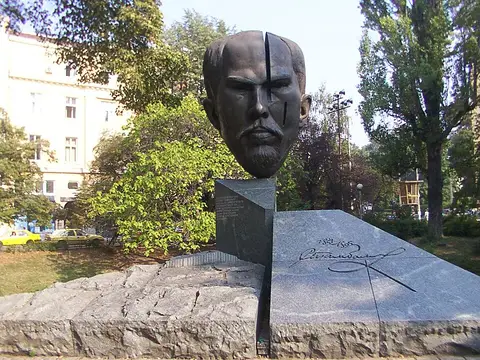
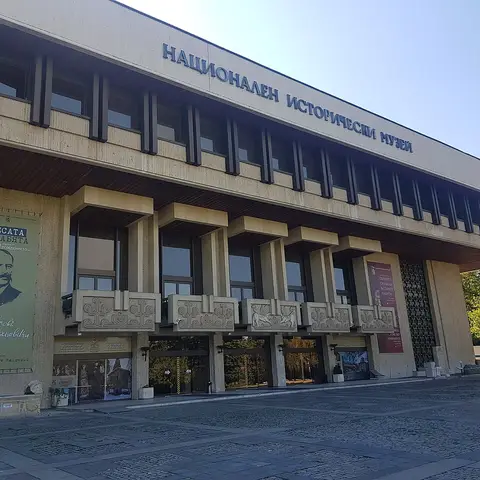
The National Archaeological Museum, housed in a former mosque, displays Thracian gold and Roman finds. The National Historical Museum on the edge of the city, in a former residence of the Communist leadership, shows treasures from the Thracian era. The Museum of Socialist Art collects statues of Lenin and other luminaries of the People's Republic in a sculpture park. On the outskirts lies the Boyana Church with frescoes from 1259, considered forerunners of the Renaissance and a UNESCO World Heritage Site.
Neighborhoods and Going Out
The center around Vitosha Boulevard, the pedestrian zone with views of the mountains, is the shopping and nightlife district. In the area around Shishman and Oborishte streets, the small "Creative Quarter," you'll find cafés, wine bars and shops by young designers. Lozenets in the south is an upscale residential neighborhood with parks, while Studentski Grad, the student town, is known for its lively nightlife. South Park and Borisova Gradina garden offer greenery in the middle of the city.
Eating in Sofia
Bulgarian cuisine is rich in vegetables and dairy products. Shopska salad, made with tomatoes, cucumbers, peppers and grated sheep's cheese, is a must, as is tarator, a cold yogurt soup with cucumbers and walnuts. Banitsa, a flaky pastry with cheese, is eaten at breakfast with ayran or boza. Grilled kebapche, kyufte and kavarma are on the menu in the mehanas, traditional taverns. Bulgarian wines, such as those made from the Mavrud grape, are gaining international recognition. The Women's Market, Zhenski Pazar, is the largest and most authentic market in the city.
Getting Around and Best Time to Visit
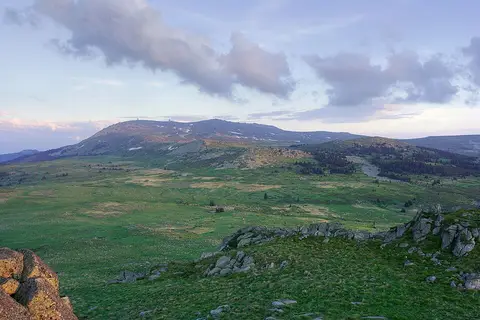
The airport is about ten kilometers east of the center and is connected by metro. The metro, with several lines, along with trams and trolleybuses, makes getting around the city inexpensive. The best time to visit is May, June, September and October; summers can get hot, while in winter the Vitosha ski area right outside the city beckons. Day trips lead to Rila Monastery, Bulgaria's best-known monastery and a UNESCO World Heritage Site, to Plovdiv and to the Seven Rila Lakes. A bus takes you up Vitosha in just under an hour, where hiking trails lead to the summit of Cherni Vrah and to the Stone Rivers, huge fields of granite boulders.