Discover Nessebar: Churches on the Peninsula
Travel guide · editorialOn a tiny peninsula connected to the mainland only by a narrow causeway, Nessebar packs in dozens of medieval churches, wooden houses, and ancient walls. The Old Town is a UNESCO World Heritage Site and one of the oldest towns in Europe. A vacation in Nessebar combines culture with a beach holiday, since Sunny Beach, one of Bulgaria's largest seaside resorts, is right next door.
Three Thousand Years of History
Thracians founded the settlement of Menebria here; in the 6th century BC, Greek colonists arrived and turned it into Mesembria, an important trading port. Under Byzantium and medieval Bulgaria, the town became a religious center with numerous churches, many of which survive. Under Ottoman rule the town lost importance, and in the 19th century the typical wooden houses on stone foundations were built. The Old Town has been a UNESCO World Heritage Site since 1983.
Sights in Nessebar
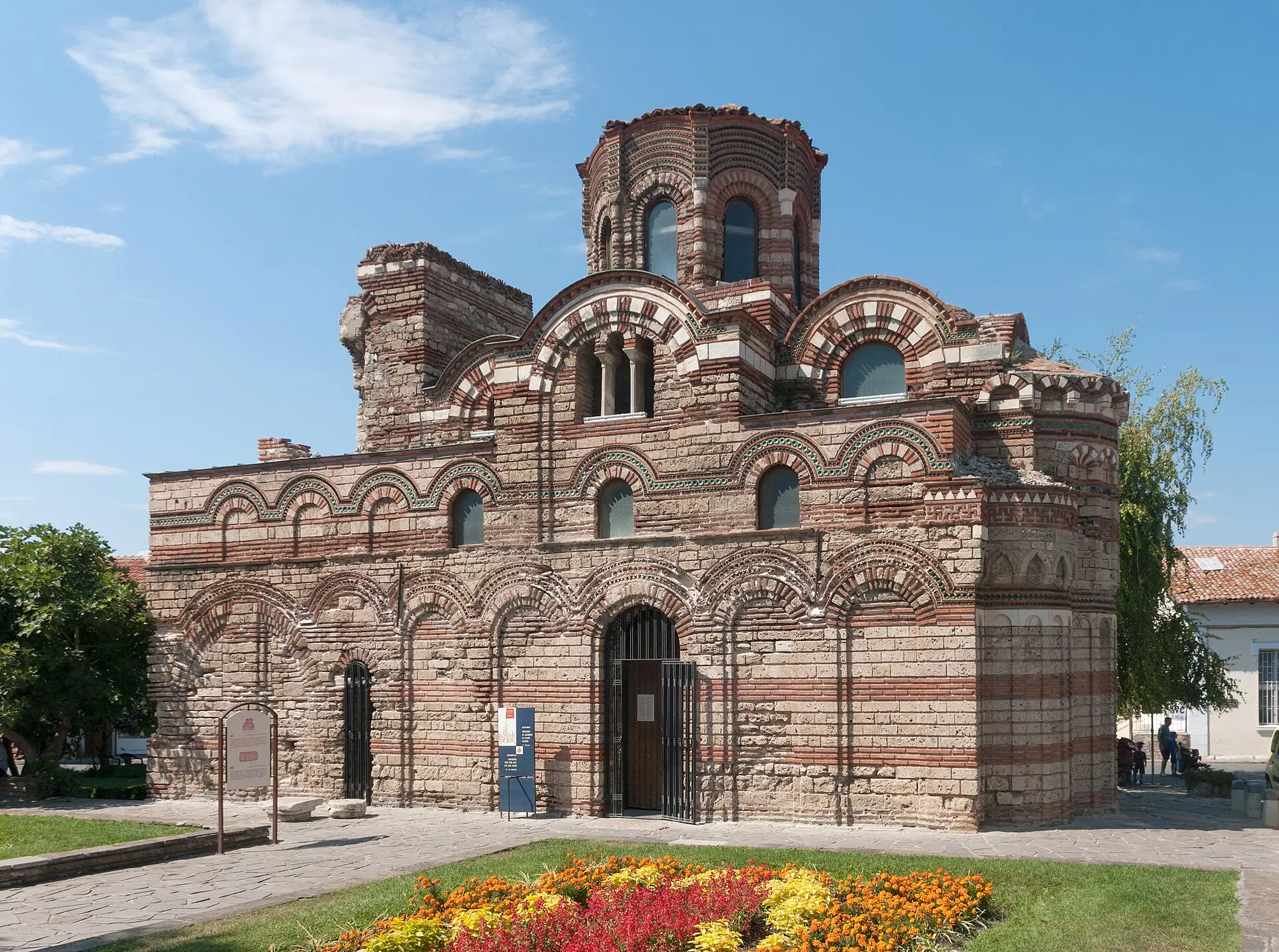
You enter the Old Town through the fortress gate with the remains of the ancient wall. The Church of Christ Pantokrator from the 13th or 14th century impresses with its facade of red brick and white stone, decorated with rosettes and ceramics. The Church of St. John Aliturgetos, right on the sea, is considered one of the most beautiful in town. The Old Metropolitan Church, a large basilica from the 5th or 6th century, stands in ruins in the middle of town and serves as a concert venue in summer. The Church of St. Stephen has frescoes from the 16th century. The Archaeological Museum displays Greek and Thracian finds, coins, and icons. Typical of the Staria vazel quarter are the wooden houses whose upper floors jut out over the alley.
Beach and New Town
On the mainland lies new Nessebar, with hotels and its own beach. To the north, Sunny Beach follows, a sandy beach several kilometers long with hotels, water parks, clubs, and bars. In summer the nightlife is loud and lively, while the Old Town itself stays calmer. Boats run between Nessebar, Sunny Beach, and other seaside resorts.
Eating in Nessebar
In the Old Town's tavernas, often with terraces above the sea, you can enjoy freshly caught fish, mussels, and grilled calamari, along with shopska salad and a glass of local wine. If you want to eat more cheaply, you'll find simple restaurants in the new town and at Sunny Beach. Sweets are made with honey and nuts.
Getting There and Best Time to Visit
Burgas Airport is about 30 kilometers to the south and is served by many charter flights in summer; buses and taxis connect it with Nessebar. The best time to visit is June through September, though in high summer day-trippers crowd the alleys. The Old Town is most atmospheric early in the morning or in the evening. Excursions lead to the port city of Burgas, to Sozopol with its own Old Town, and to Pomorie with its salt lakes and wine cellars. Sozopol, a bit farther south, is also built on a peninsula and, with its wooden houses and small beaches, is quieter than Nessebar. If you're looking for nature, the hills of the Balkan Mountains behind the coast hold wineries and villages where time seems to have stood still. Admission to the individual churches is low, and a combination ticket covers several churches and the museum.