Discovering Plovdiv: The Roman Theater and Kapana
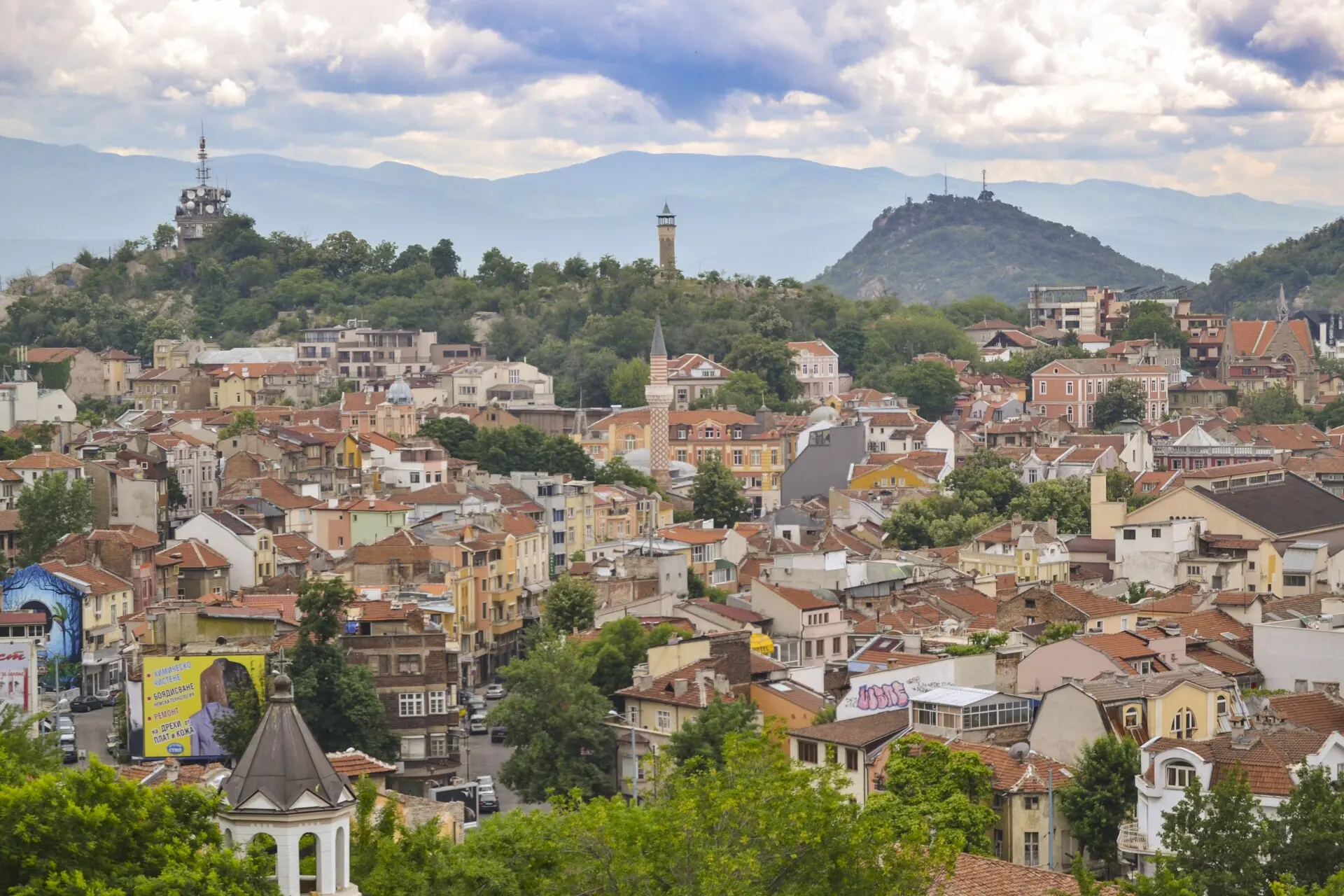
Travel guide · editorialPlovdiv is considered one of the oldest continuously inhabited cities in Europe, and you feel it at every turn: a Roman stadium lies beneath the pedestrian zone, an ancient theater is still used for performances today, and the Old Town, with its colorful merchants' houses, sits atop three hills. In 2019, Plovdiv was a European Capital of Culture. A trip to Plovdiv is a discovery for anyone who appreciates history and a relaxed way of life.
From Philippopolis to Capital of Culture
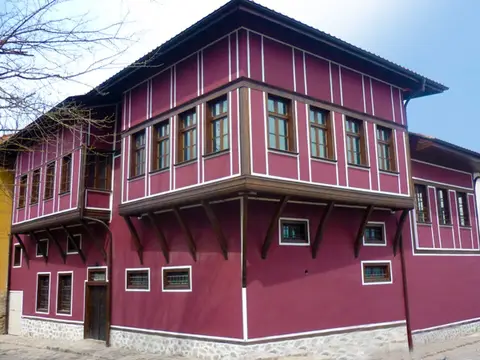
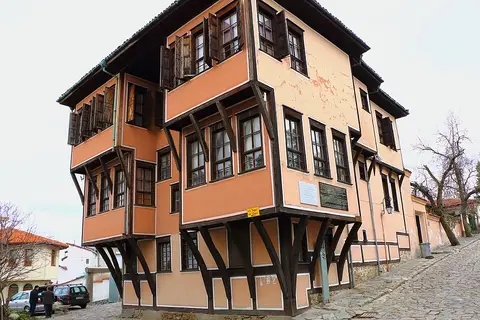
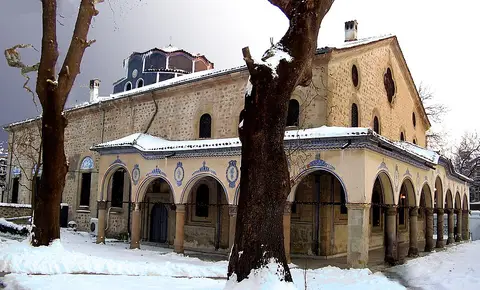
Thracians settled the hills above the Maritsa River thousands of years ago. Philip II of Macedon conquered the city in the 4th century B.C. and gave it the name Philippopolis. Under the Romans, it became one of the most important cities in the province of Thrace. In Ottoman times it was called Filibe, and in the 19th century wealthy merchants had magnificent houses built in the Old Town, which are considered the pinnacle of Bulgarian National Revival architecture.
Sights in Plovdiv
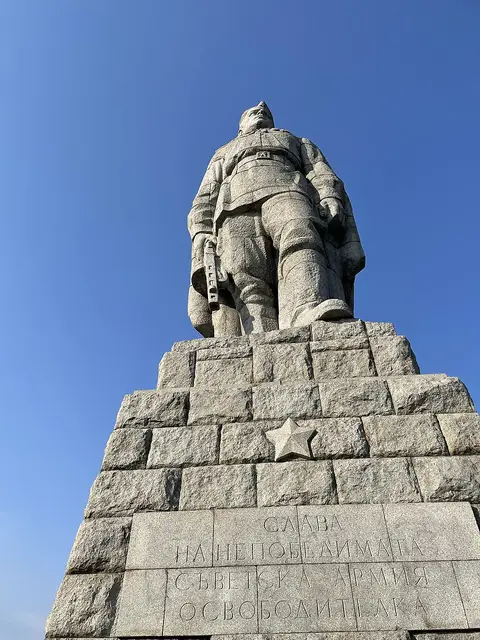
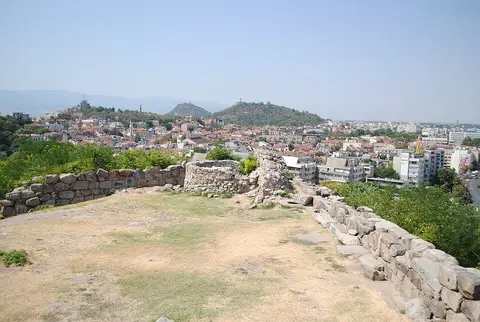
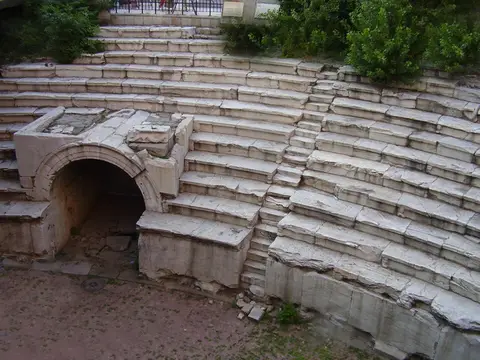
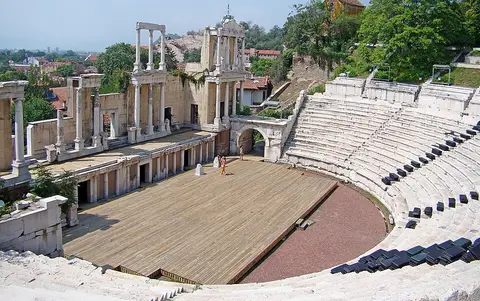
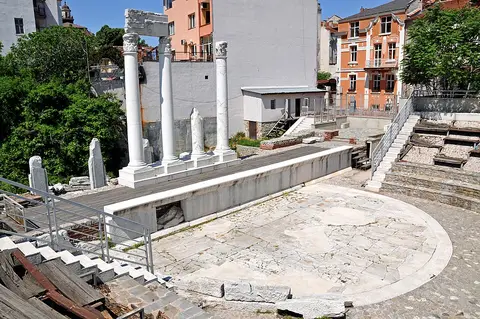
The Ancient Theater from the 1st century A.D. was only rediscovered in the 1970s after a landslide and is now a stage for operas and concerts in summer. Beneath Dzhumaya Square lie the remains of the Roman stadium, which once held around 30,000 spectators; part of it is open to visitors. Next to it stands the 15th-century Dzhumaya Mosque. The Old Town, with its cobblestone lanes and colorful houses, such as the Balabanov House and the Ethnographic Museum in the Kuyumdzhioglu House, is an open-air museum. From Nebet Tepe hill you can look out over the city. The pedestrian zone in the center is one of the longest in Europe.
Kapana and Nightlife
The Kapana district, whose name means "the trap," used to be a craftsmen's quarter with narrow alleys. Today it is the creative heart of the city, with street art, galleries, craft beer bars, and cafés. In the evening people sit outdoors here, and in summer festivals take place. Bars and restaurants also line up around the city center, in the Tsentralen district.
Eating in Plovdiv
The region around Plovdiv is largely agricultural, and the markets are full of vegetables and fruit. Restaurants serve Shopska salad, stuffed peppers, kavarma, and kebapcheta. The Thracian wine region around Plovdiv is known for Mavrud and Rubin. For breakfast, people eat banitsa, and in the afternoon coffee in one of the many cafés.
Getting Around and Best Time to Visit
The small airport is served by only a few airlines; most travelers arrive via Sofia, from where buses and trains take about two hours. The city center is compact and easy to explore on foot. The best time to visit is spring and fall; summer is hot. Excursions lead to Bachkovo Monastery, the second-largest monastery in Bulgaria, to the fortress of Asen's Fortress near Asenovgrad, and into the Rhodope Mountains, a forested range with gorges, caves, and mountain villages such as Shiroka Laka. The rose fields in the valley near Kazanlak, where the oil-bearing rose is harvested for the perfume industry in May and June, and the Thracian tombs of the region can also be visited in a single day. If you come in summer, you can experience open-air opera performances in the Ancient Theater, an unforgettable setting for a Plovdiv vacation.