Plovdiv Province: Ancient Hill City and the Thracian Plain
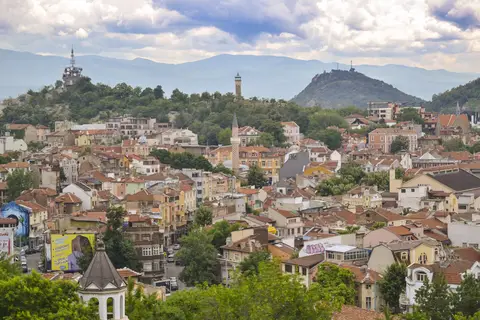
Travel guide · editorialPlovdiv is considered one of the oldest continuously inhabited cities in Europe, built on hills above the Maritsa River. A trip to Plovdiv leads you into a province that stretches from the fertile Thracian Plain to the Rhodope Mountains and the southern slopes of the Balkan Mountains – with monasteries, thermal springs, and the rose fields around Karlovo.
Between the Rhodopes and the Balkans
The province lies in the heart of Bulgaria. At its center is the Maritsa plain, where vegetables, fruit, and wine grapes thrive. To the south rise the Rhodopes, forested and cut through by gorges; to the north runs the main ridge of the Balkan Mountains, with Botev Peak, the highest summit of the Balkans, in Central Balkan National Park. In between, near Karlovo and Kalofer, lies the western part of the Rose Valley, where the oil-bearing roses are harvested in May and June.
Plovdiv: City of Seven Hills
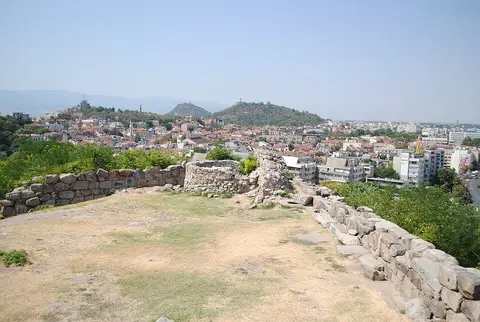
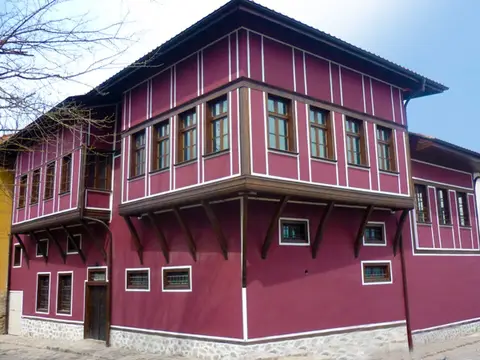
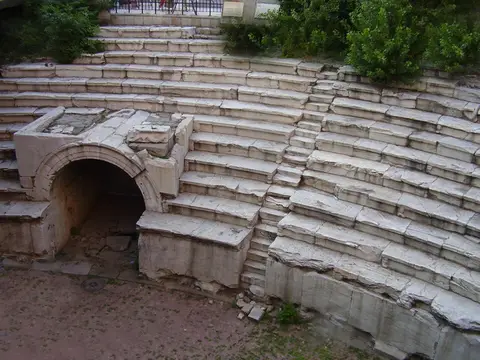
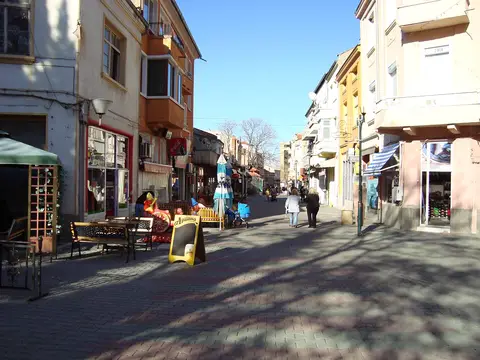
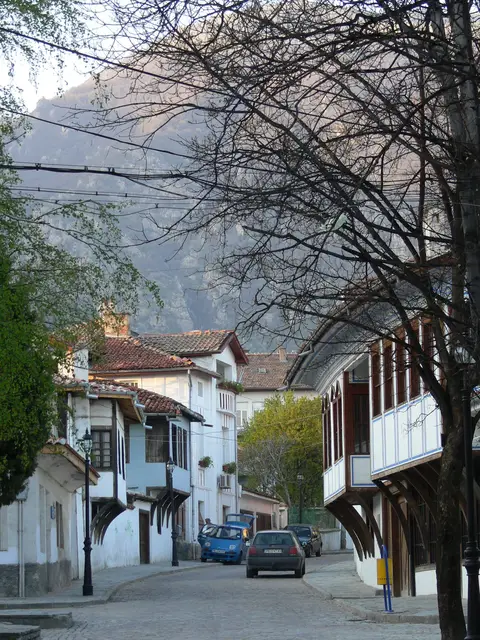
In the Old Town on Nebet Tepe and the neighboring hills, you'll find colorful merchants' houses from the National Revival period, including Balabanov House and the Ethnographic Museum in Kuyumdzhiev House. Below them opens the Roman Theater from the 2nd century, where operas and concerts are once again performed today. Beneath the pedestrian zone lie remains of the stadium of Philippopolis, and the mosaic of the Great Basilica is among the finest early Christian finds in the country. The Kapana district, a tangle of small craftsmen's lanes, is now full of galleries, cafés, and craft beer bars; in 2019, Plovdiv was European Capital of Culture.
Sights in Plovdiv Province
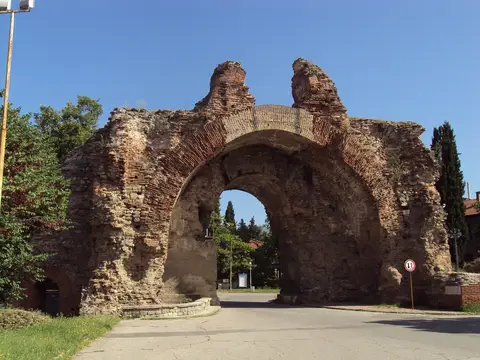
South of the city lies Asenovgrad, overlooked by Asen's Fortress with its 13th-century church. A few miles farther on stands the Bachkovo Monastery, the second-largest monastery in Bulgaria, founded in 1083, with frescoes in the refectory. Hisarya is a spa town with more than twenty mineral springs and an almost completely preserved Roman city wall. Karlovo is the birthplace of the freedom fighter Vasil Levski, Kalofer that of the poet Hristo Botev; both small towns lie at the foot of the Balkan Mountains and are starting points for hikes to waterfalls such as Raysko Praskalo.
Wine, Cuisine, and Festivals
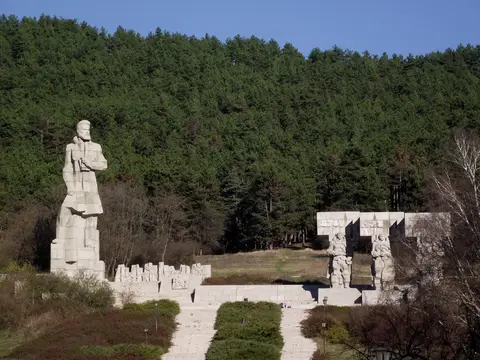
The slopes around Asenovgrad and Perushtitsa are Mavrud country, a robust red grape variety that is truly at home only here. Many wineries offer tastings. In Plovdiv's restaurants, dishes arrive at the table in clay pots: kavarma with pork, gyuvech, and stuffed peppers, along with vegetables from the plain. In June, Karlovo celebrates the Rose Festival, and in the fall the Plovdiv Fair draws businesspeople from across Southeast Europe. Another destination is the village of Starosel near Hisarya, where a large Thracian cult temple was uncovered beneath a burial mound. Around Perushtitsa, memorials commemorate the April Uprising of 1876. And if you're after nature, head to the Chepelare gorge or to the Wonderful Bridges, natural rock arches high in the Rhodopes just across the border in Smolyan Province, which you can reach from Asenovgrad in a little over an hour.
Getting There and Best Time to Visit
Plovdiv lies on the Trakia Motorway, about an hour and a half from Sofia, and is easy to reach by train. Plovdiv's small airport is served by only a few airlines, so most people arrive via Sofia. The best times to visit are spring and fall: the roses bloom in May, the grape harvest takes place in September, while high summer often brings temperatures above 95°F on the plain.