





Australia: Outback, Reefs, and Coastal Cities
Travel guide · editorialA vacation in Australia is a trip to the other end of the world, and you feel it right away in the flight time of almost a full day. In return, you get a continent of red rock in the Outback, tropical reefs, wine regions, and coastal cities where the day begins with a morning dip in a saltwater pool. If you're planning a trip to Australia, allow at least three weeks.
A Continent with Many Climate Zones
Australia is roughly twenty times the size of Germany but has only about 27 million residents, most of them along the east and southeast coasts. The interior, the Outback, is dry and vast: red earth, spinifex grass, termite mounds, and roads where you may not see another car for hours. In the tropical north, in the Top End around Darwin and in the Kimberley, you'll find rainforests, waterfalls, and rivers with saltwater crocodiles. Along the east coast, the Great Dividing Range runs parallel to a seemingly endless fringe of beaches. The southwest around Perth has a Mediterranean climate, with wildflowers in spring and wineries in Margaret River, and the island of Tasmania in the south, with its mountains, lakes, and eucalyptus forests, feels more like Scotland or New Zealand. The wildlife is unique: kangaroos and wallabies, koalas in the eucalyptus trees, wombats, platypuses, and birdlife that is louder in the morning than any alarm clock.
Sydney, Melbourne, and the Big Cities
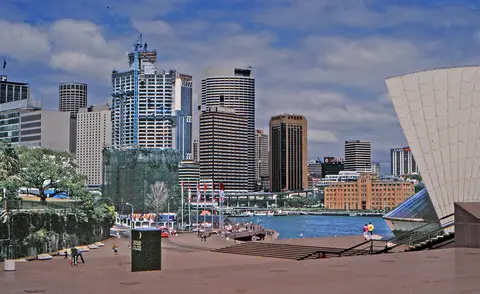
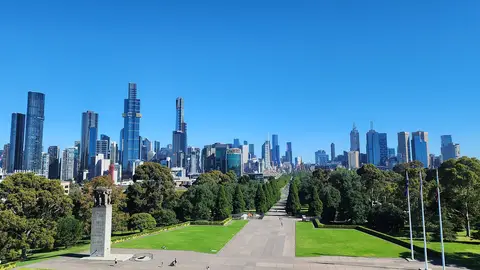
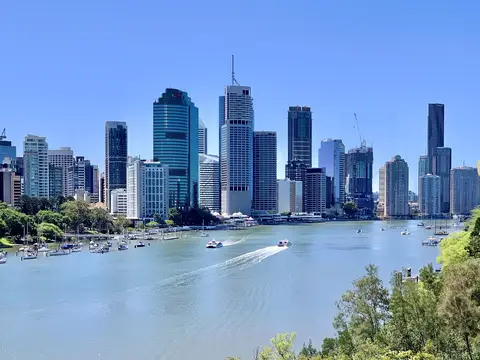
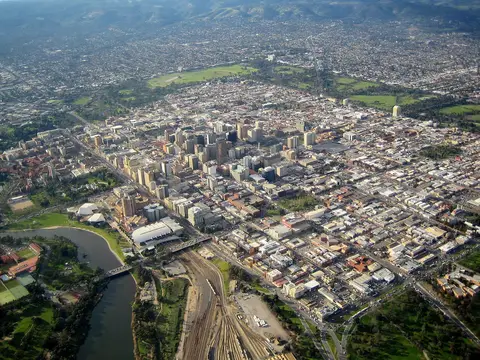
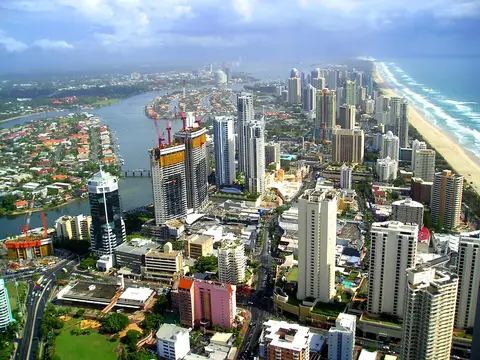
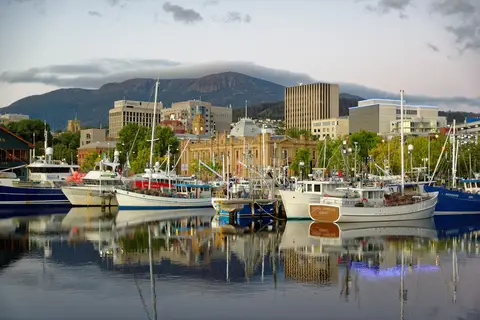
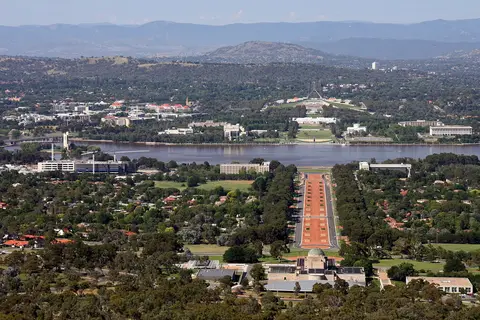
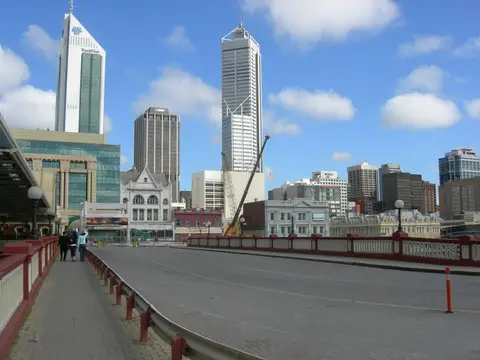
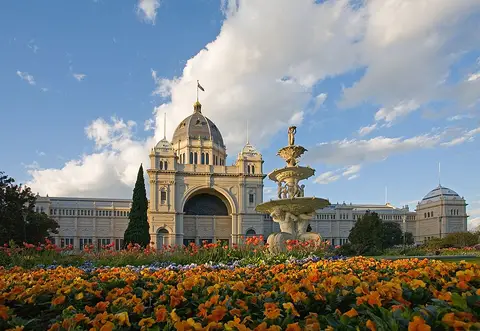
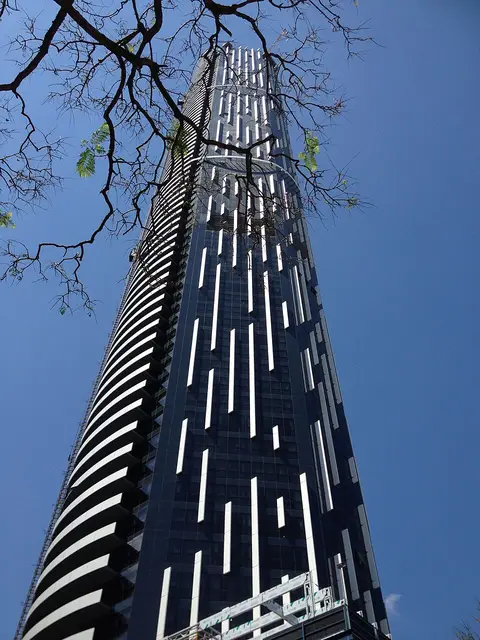
For most travelers, Sydney is the first stop. The Opera House and the Harbour Bridge are the best-known sights in Australia, and the best way to experience them is from the ferry to Manly. The coastal path from Bondi to Coogee passes cliffs, small bays, and ocean pools, and in the Blue Mountains, a good hour and a half to the west, you'll find gorges and lookouts over eucalyptus forests. Melbourne is the city of laneways, narrow alleys full of graffiti, coffee bars, and restaurants, as well as museums and sports: the Australian Open takes place in January, and the Melbourne Cricket Ground holds around 100,000 spectators. Brisbane has a relaxed, subtropical feel, with an artificial lagoon at South Bank, while the Gold Coast to the south is known for surf beaches and high-rises right on the sand. Newcastle, north of Sydney, is the gateway to the Hunter Valley wine region. Canberra was planned from scratch as the capital and is home to the National Gallery, Parliament, and the Australian War Memorial. Adelaide is smaller and quieter but strong on food, surrounded by wine regions such as the Barossa Valley, shaped by German immigrants in the 19th century, and McLaren Vale. From here, it's not far to Kangaroo Island, where sea lions lie on the beach. Perth is considered one of the most remote major cities in the world, with beaches like Cottesloe, Kings Park above the Swan River, and Rottnest Island, home to the quokkas, small marsupials famous above all for selfies. Hobart in Tasmania has an old harbor with sandstone warehouses and the MONA museum, which draws visitors from around the world with provocative art. A day trip takes you to the Freycinet Peninsula and Wineglass Bay.
Great Barrier Reef, Uluru, and the National Parks
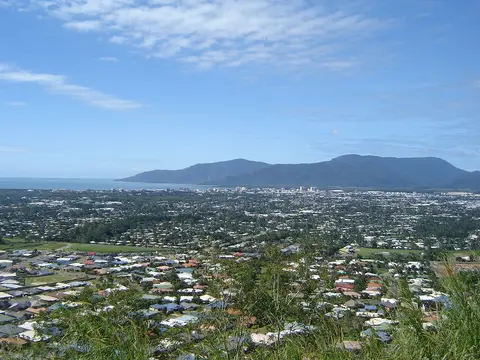
The Great Barrier Reef stretches 2,300 kilometers along the Queensland coast. Cairns and Port Douglas are the main starting points for snorkeling and diving trips to the outer reefs, and from Airlie Beach you can sail to the Whitsunday Islands and the white silica sand of Whitehaven Beach. North of Cairns, the Daintree Rainforest reaches all the way to the coast, one of the oldest rainforests on Earth. In the center of the continent rises Uluru, the sacred mountain of the Anangu, which can no longer be climbed but can be circled on a path of about ten kilometers; the rock domes of Kata Tjuta are close by. In the Northern Territory, Kakadu National Park offers rock paintings and wetlands, and on the Great Ocean Road west of Melbourne, the limestone stacks of the Twelve Apostles rise from the surf.
Culture, History, and Way of Life
Aboriginal and Torres Strait Islander peoples have lived on the continent for at least 50,000 to 65,000 years and are considered the oldest continuous culture in the world. On guided tours, for example in Kakadu National Park or at Uluru, you'll learn about Dreaming stories, bush foods, and the connection to the land. British settlement began in 1788 with a fleet of convict ships in Sydney, and places like Port Arthur in Tasmania recall that era. Today Australia is a nation of immigrants, with nearly a third of the population born abroad. Daily life happens outdoors: barbecues in the park on public gas grills, cricket on the beach, surfing before work. If you swim at Australian beaches, stay between the red-and-yellow flags of the lifeguards, because currents can be treacherous.
Eating and Drinking in Australia
Australian cuisine is less about tradition than openness. Strong Asian influences show up in Vietnamese bánh mì shops in Sydney, Malaysian hawker stalls in Melbourne, and Thai restaurants in every small town. The seafood is outstanding, from barramundi and Moreton Bay bugs to oysters from Tasmania. Classics include the meat pie, breakfast with avocado toast, coconut-covered lamingtons, and pavlova, whose origin Australians and New Zealanders both claim. The coffee culture is considered one of the best in the world, and the flat white is at home here. Australian wine comes from the Barossa Valley, the Hunter Valley, Margaret River, and the Yarra Valley, and every city has craft breweries. Outside of restaurants, alcohol is sold only in dedicated shops called bottle shops.
Getting There and Getting Around in Australia
There are no nonstop flights from Germany to Australia; the fastest route is a connection in Singapore, Dubai, Doha, or another Asian hub, reaching Sydney, Melbourne, Brisbane, or Perth in about 21 to 24 hours. German citizens need an eVisitor visa for tourist stays of up to three months, which is applied for free online; check the current entry requirements before you travel, and note that strict rules apply to bringing in food. Because of the enormous distances, domestic flights with Qantas, Virgin Australia, or Jetstar are the norm; the flight from Sydney to Perth takes over four hours. Long-distance trains such as the Indian Pacific or The Ghan through the Outback are an experience, but expensive. Road trips by rental car or campervan are very popular, especially along the east coast; traffic drives on the left, and in the Outback you should avoid driving at dusk because of kangaroos.
Best Time to Visit Australia
The best time to visit Australia depends heavily on the region, since the seasons are reversed. In the south, meaning Sydney, Melbourne, Adelaide, and Tasmania, October through April are the most pleasant months, with temperatures between 22 and 30 degrees Celsius (72 to 86°F); high summer in January can bring days above 40 degrees (104°F), and bushfires are possible. In the tropical north around Darwin and Cairns, the dry season from May to October is ideal, with sunny temperatures of 25 to 30 degrees (77 to 86°F), while November to April is the rainy season and venomous jellyfish appear along the coast. The Outback around Uluru is best visited between April and September, when it's warm during the day and cool at night. Perth and the southwest are especially appealing in spring, from September to November, when the wildflowers bloom.
Australia Destinations for Planning Your Route
For a first trip, a good combination is Sydney, a flight to Uluru, the Great Barrier Reef near Cairns, and Melbourne with the Great Ocean Road. If you return, you'll find more Australian destinations that are even less developed: the Kimberley region with the Gibb River Road, Ningaloo Reef on the west coast, where you can swim with whale sharks between March and July, the island world around Fraser Island, now called K'gari, or the hiking trails through the Cradle Mountains in Tasmania.