Discover Brisbane: South Bank, the River, and the Subtropics
Travel guide · editorialIn Brisbane, you can swim at an artificial sandy beach in the middle of the city, ride a catamaran to work, and eat dinner under mango trees. Queensland's capital is more laid-back than Sydney and Melbourne, with a subtropical climate and plenty of life along the river. A trip to Brisbane is also a great starting point for a vacation on the Gold Coast, the Sunshine Coast, or the Great Barrier Reef.
From Penal Colony to Olympic City
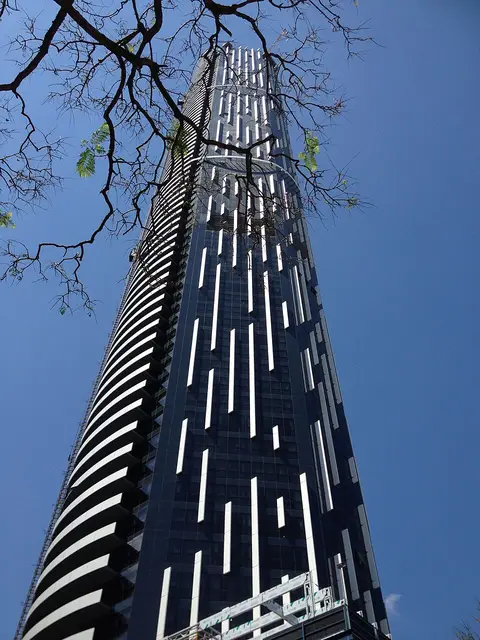
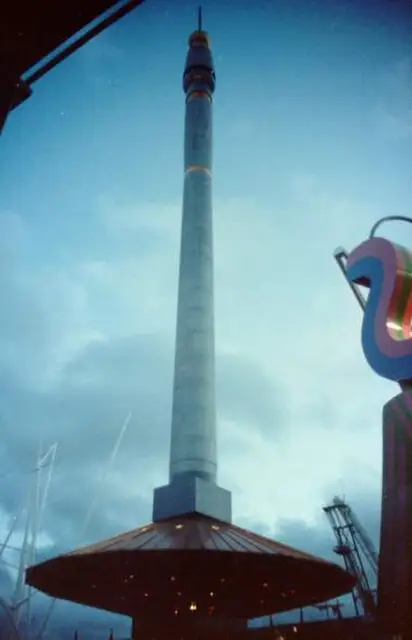
The land along the Brisbane River has been home to the Turrbal and Yuggera peoples for thousands of years. In 1825, the British established a penal colony here for particularly difficult convicts, which was not opened to free settlers until 1842. The city grew on wool, sugar, and later mining, and in 1859 it became the capital of the newly created colony of Queensland. The World Expo 88 transformed Brisbane fundamentally: the exhibition grounds became South Bank Parklands, and the city, once considered sleepy, developed a new confidence. In 2032, Brisbane will host the Summer Olympics, and construction is underway, including a new stadium at Victoria Park.
Sights in Brisbane
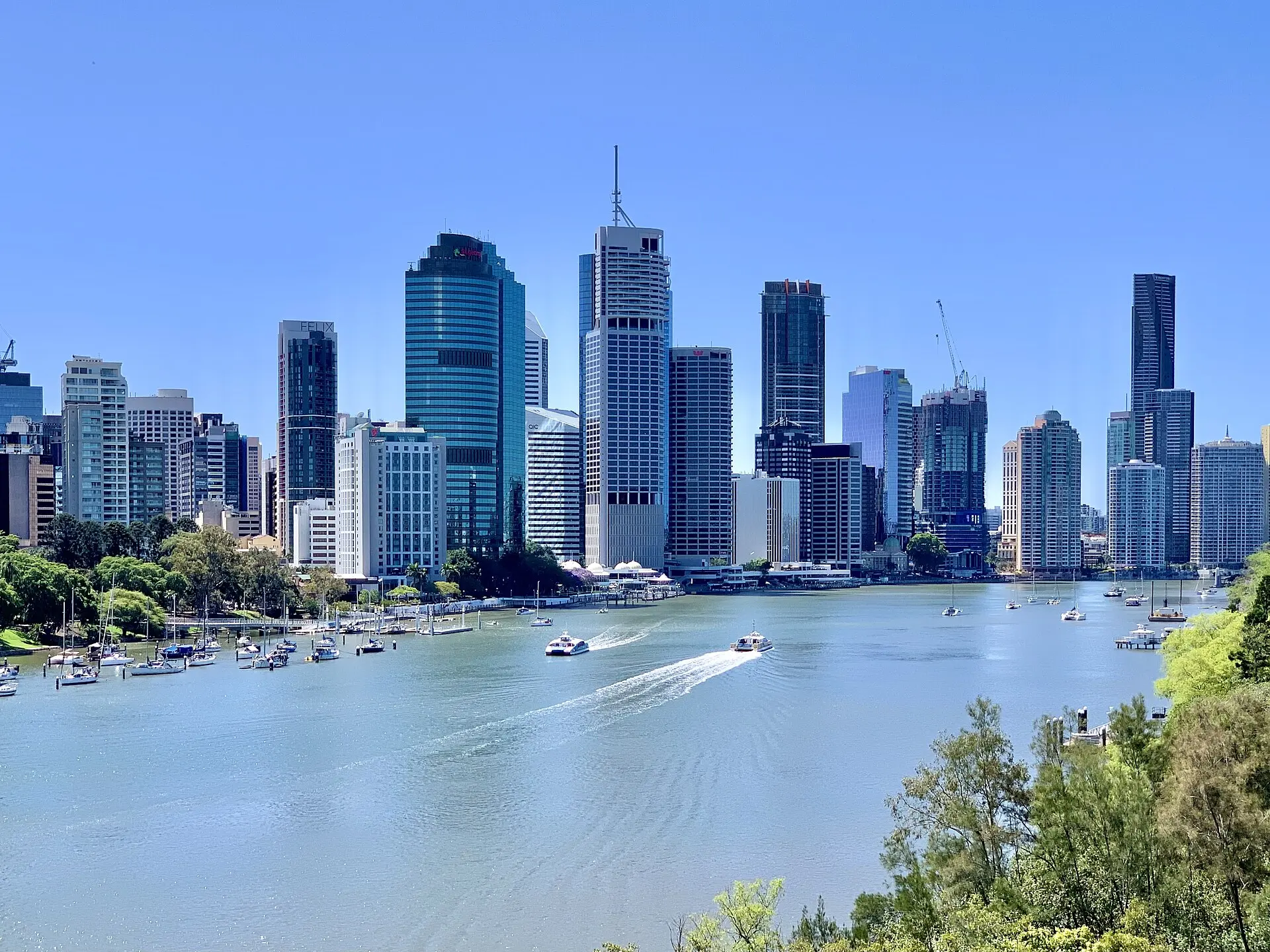
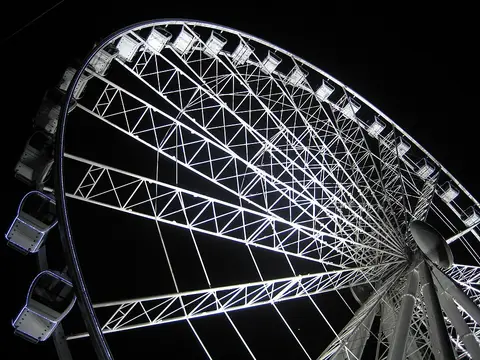
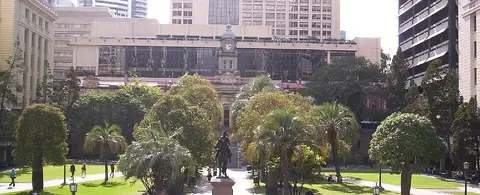
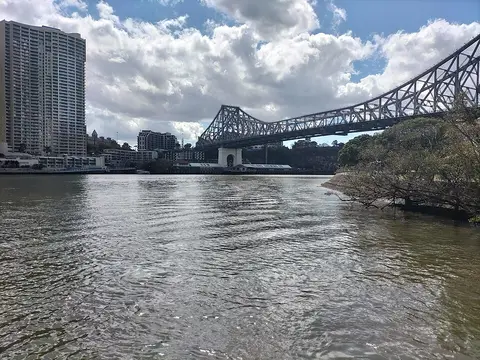
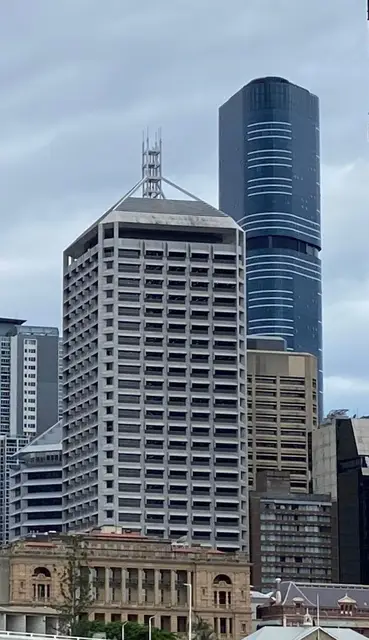
South Bank is the cultural and tourist heart of the city. Here you'll find Streets Beach, a lagoon with a sandy beach and lifeguards, a rainforest walk, the Wheel of Brisbane Ferris wheel, and a weekend market. The Queensland Cultural Centre brings together the Queensland Museum, the State Library, the Queensland Art Gallery, and the Gallery of Modern Art, or GOMA, one of the most important collections of contemporary art in Australia. The Kurilpa Bridge, a delicate cable-stayed work of art in steel, crosses the river. The Story Bridge, a steel bridge from the 1940s, can be climbed on a guided Bridge Climb. Across the river are the Kangaroo Point Cliffs, where people go rock climbing and where you get a view of the skyline. City Hall, with its clock tower and the Museum of Brisbane, is the center of the CBD.
Koalas, Mountains, and a River Cruise
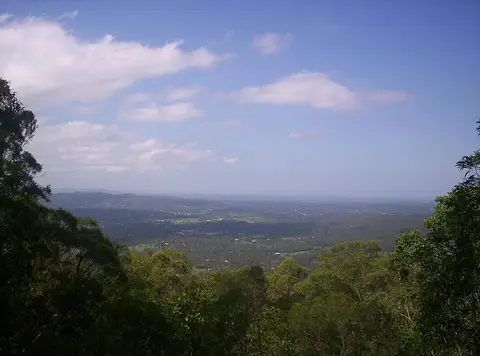
Lone Pine Koala Sanctuary in the southwest, the oldest and largest koala sanctuary in the world, can be reached by bus or by boat on the Brisbane River. More than a hundred koalas live here, and kangaroos roam freely. Mount Coot-tha offers a lookout with a café, a botanic garden, and hiking trails through eucalyptus forest. The best way to get to know the city is a ride on the CityCat ferries, which run along the river from the university in St Lucia to Northshore Brisbane, the former port area with markets and restaurants.
Neighborhoods and Food
Fortitude Valley, or "The Valley" for short, is the city's nightlife district, with bars, clubs, live music, and Chinatown. In New Farm you'll find the Brisbane Powerhouse, an arts center in a former power station, surrounded by parks along the river. West End is multicultural and alternative, while Paddington charms with Queenslander houses on stilts, whose large verandas defy the heat. Woolloongabba, or "The Gabba" for short, is known for its cricket stadium and has developed into a trendy district with antiques shops and restaurants. Restaurants in Brisbane focus on fresh ingredients: Moreton Bay bugs, a type of slipper lobster, barramundi, and tropical fruits such as mangoes and macadamia nuts, which are native to Queensland. At the Eat Street Northshore markets, you'll find street food from around the world.
Nightlife and Festivals
In the evening, people gather in the rooftop bars of the CBD, at the craft breweries of Newstead, or at the live-music venues of the Valley, where the BIGSOUND festival presents new bands every September. In September, the city also celebrates the Brisbane Festival with art, theater, and the Riverfire fireworks over the river. Rugby league is a religion here: at State of Origin, the clash between Queensland and New South Wales, Suncorp Stadium sells out and half the city dresses in maroon.
Getting Around and Best Time to Visit
Brisbane Airport (BNE) is about 9 miles northeast of the city, and the Airtrain takes around 20 minutes to reach the center and continues on to the Gold Coast. Buses, trains, and ferries are paid for with the go card or contactless. The best time to visit is the Australian winter from April to October: warm, dry, and sunny. Summer is hot and humid, with strong thunderstorms. Excursions lead to the sand island of Moreton Island, to North Stradbroke Island, to the beaches of the Gold Coast, or to the Glass House Mountains.