Discover Hobart: MONA, Salamanca, and kunanyi
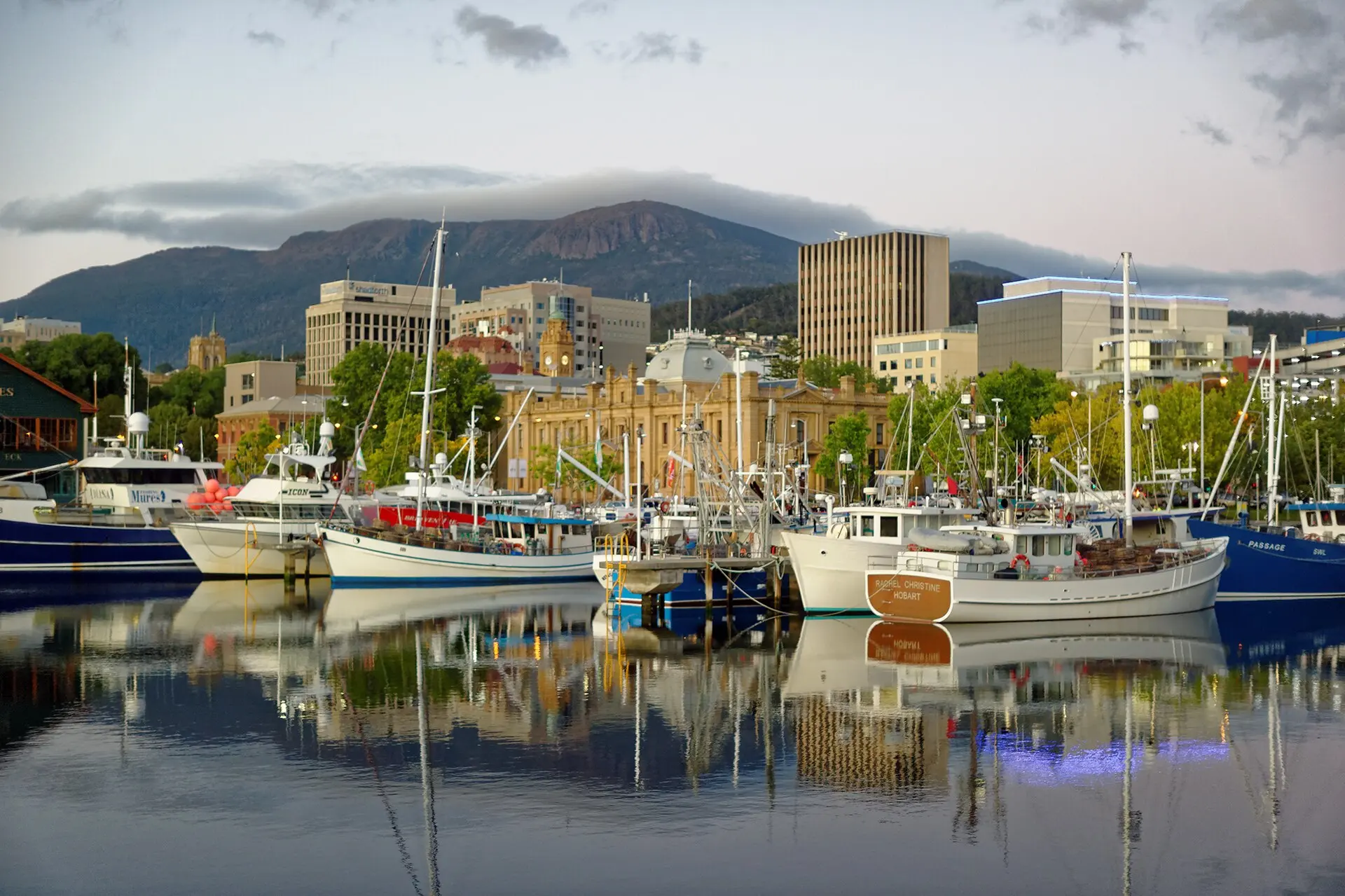
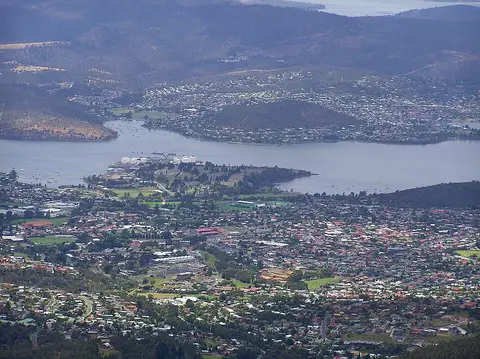
Travel guide · editorialHobart sits between a mountain nearly 1,300 meters high and one of the deepest natural harbors in the world, which makes it one of Australia's most beautiful capital cities. Tasmania's capital was a sleepy outpost for a long time, until an eccentric museum put it on the world map. A trip to Hobart combines colonial history, provocative art, and unspoiled nature.
Australia's Second-Oldest City
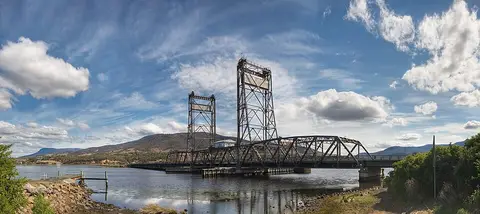
The British founded Hobart as a penal colony in 1804, and after Sydney it is the second-oldest city in Australia. Convicts built warehouses, churches, and bridges out of sandstone, while colonization brutally destroyed the lives of the palawa, Tasmania's Aboriginal people. In the 19th century Hobart was a center of whaling; today it is the departure port for expeditions to Antarctica.
Things to See in Hobart
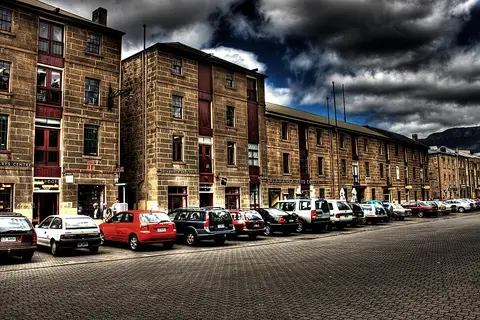
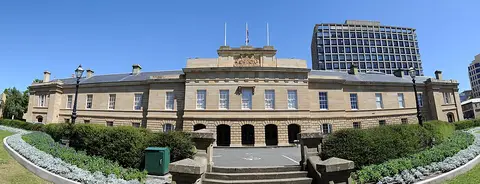
MONA, the Museum of Old and New Art, is in the suburb of Berriedale and can be reached by ferry from the harbor. Gambler and art collector David Walsh built it deep into a sandstone cliff, and his collection about sex, death, and life is provocative, playful, and sometimes disturbing. On the waterfront is Salamanca Place, a row of sandstone warehouses from the 1830s that now house galleries, restaurants, and bars. Every Saturday the Salamanca Market takes place here, with around 300 stalls selling crafts, fruit, and Tasmanian specialties. Behind it lies Battery Point, the oldest neighborhood in the city, with colonial-era cottages. The Tasmanian Museum and Art Gallery displays artifacts on the history of Tasmania's Aboriginal people and on the extinct thylacine.
kunanyi and Nature
The city's own mountain, kunanyi, also known as Mount Wellington, rises directly behind the city. A winding road leads to the summit, where you look out over the city, the Derwent River, and the islands. It can be cold and windy up top even in summer, and in winter there is often snow. Hiking trails lead through eucalyptus forests and past rock formations such as the Organ Pipes. The Royal Tasmanian Botanical Gardens on the edge of the city has a Japanese garden and a subantarctic plant house.
Food, Markets, and Festivals
Tasmania is known for outstanding ingredients: oysters, salmon, scallops, cheese, apples, and cool-climate wines such as Pinot Noir and sparkling wine. On Hobart's waterfront, floating fish stands serve fish and chips. Hobart's restaurants rank among the best in Australia, and in North Hobart, bistros, bars, and an old cinema line Elizabeth Street. In December the Sydney–Hobart yacht race finishes in the harbor, and the food and music festival Taste of Summer accompanies the turn of the year. In June the winter solstice festival Dark Mofo, organized by MONA, celebrates with light art, fire, and a nude swim in the icy Derwent.
Getting Around and Best Time to Visit
Hobart Airport (HBA) is about 17 kilometers to the east, and buses run to the city center. Buses operate within the city, and ferries connect downtown with MONA and Bellerive on the eastern shore. A rental car is ideal for day trips. The best time to visit is the Australian summer, from December to March. Excursions lead to Port Arthur, a former penal colony and UNESCO World Heritage site, to Bruny Island with its oysters and cheese, to the Huon Valley with its apple orchards, and to Mount Field National Park with its waterfalls.