

Tasmania: Wilderness, Hobart and a Foodie Island
Travel guide · editorialAbout 240 kilometers south of the mainland, across Bass Strait, lies Australia's smallest state – an island where nearly half the land is protected. A vacation in Tasmania means mountain hikes, bays with crystal-clear water, convict history and a food scene that ranks among the best in the country. The climate is cooler, and the air is considered some of the cleanest in the world.
Hobart and the South
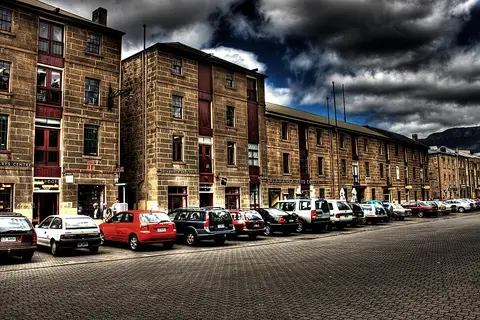
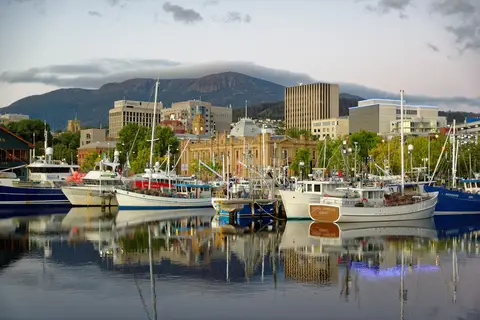
Hobart, founded in 1804 and thus Australia's second-oldest capital after Sydney, sits on the Derwent River at the foot of kunanyi/Mount Wellington. On the waterfront, Salamanca Place is lined with sandstone warehouses that now house galleries and restaurants; a large market takes place here on Saturdays. Battery Point preserves 19th-century sailors' cottages. MONA, a private museum of ancient and contemporary art built into the rock on the riverbank, has made Hobart famous around the world and hosts the Dark Mofo festival in winter. An hour to the southeast lies Port Arthur, once the most feared penal colony of the Empire and now part of a UNESCO World Heritage site. Bruny Island tempts visitors with oysters, cheese and steep coastal cliffs.
Sights in Tasmania: National Parks
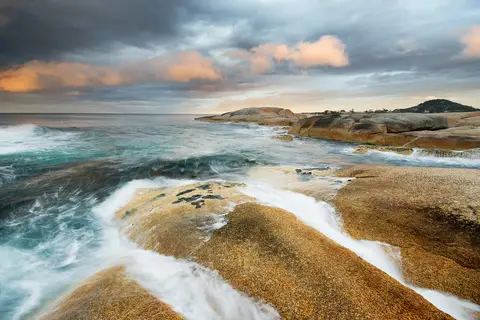
The Tasmanian Wilderness, a vast World Heritage area in the west and southwest, encompasses rainforests, moorlands and untouched rivers. Cradle Mountain-Lake St Clair National Park is the starting point of the Overland Track, a multi-day hike that ranks among Australia's most famous; even the short loop around Dove Lake, with views of the jagged peaks, is well worth it. On the east coast lies Freycinet National Park with Wineglass Bay, an almost perfectly curved bay. To the north, Bicheno, known for its little penguins, and St Helens, at the start of the Bay of Fires with its orange-stained granite boulders, are popular Tasmania destinations. With a bit of luck, you'll spot wombats, wallabies and the Tasmanian devil, which can be seen at wildlife sanctuaries.
Launceston and the North
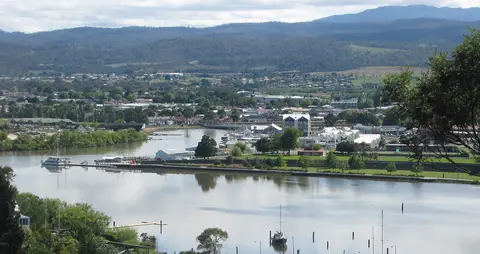
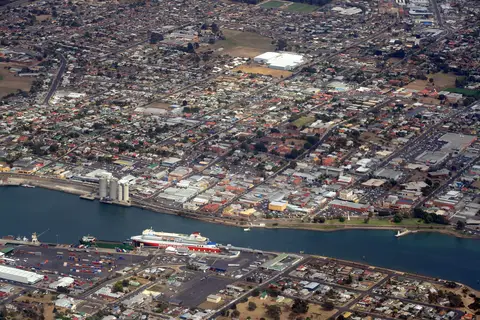
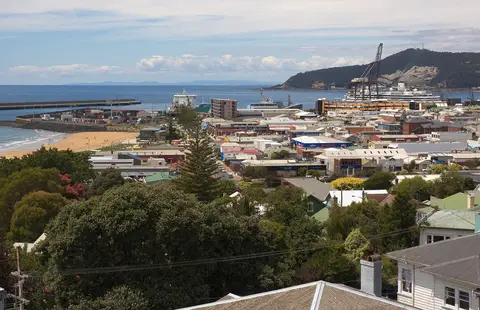
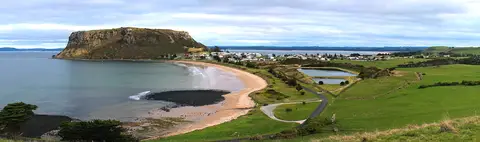
Launceston, the second-largest city, sits on the Tamar River, just a few minutes' walk from Cataract Gorge, a gorge with a chairlift and swimming pool. The Tamar Valley is Tasmania's most important wine region, known for sparkling wine and Pinot Noir. Devonport on the north coast is the arrival port for the Spirit of Tasmania ferry from Melbourne. To the west, Ulverstone and Burnie line the coast, until The Nut, a flat-topped bluff, rises from the sea at Stanley. Farther west lies the rugged west coast with Strahan and the Gordon River.
Food, Drink and History
Tasmania is a foodie island: oysters, farmed salmon, abalone, lamb and cheese, plus the apples that earned the island its nickname, the "Apple Isle." Whisky distilleries have won international awards, and cider and sparkling wine are also typical. The history is dark: British colonization and the so-called Black War led to the near-total destruction of the island's Aboriginal people in the 19th century; their descendants are now making their culture visible again.
Best Time to Visit and Getting There
The best time to visit is December through March, with mild temperatures and long days; in autumn, the southern beech trees in the highlands turn golden yellow. In winter, it can snow in the mountains. Flights from the mainland land in Hobart (HBA) and Launceston (LST), and the ferry from Melbourne to Devonport takes about ten hours. Once you're there, a rental car is almost essential.