
Discover Sydney: Harbor, Beaches, and the Opera House
Travel guide · editorialTake the ferry from Manly to Circular Quay in the morning and you'll see Sydney at its best: sailboats on deep blue water, the shell-like sails of the Opera House, and behind them the steel arch of the Harbour Bridge. Australia's largest city lives with and on the water, among bays, cliffs, and more than a hundred beaches. For most travelers, a trip to Sydney is the start of an Australian vacation – and often the part they remember most fondly.
From Convict Colony to World City
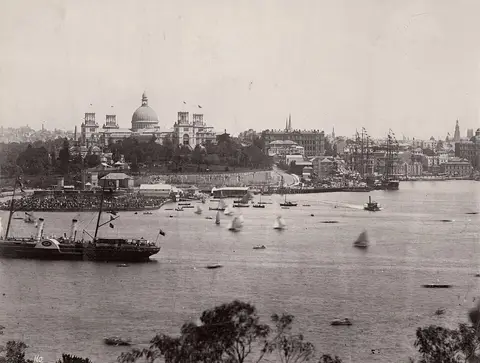
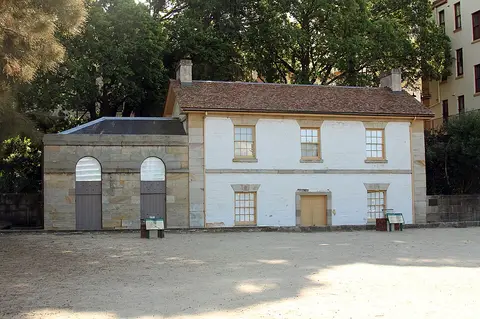
Long before Europeans arrived, the Gadigal and other groups of the Eora Nation lived here; rock engravings in the national parks around the city are thousands of years old. In 1788 the First Fleet sailed into the harbor with around 750 convicts, and Captain Arthur Phillip founded Australia's first British colony. The convicts built roads, barracks, and churches from the yellow sandstone that gives the historic district of The Rocks its character. In the 19th century, the gold rush brought immigrants and wealth. The 2000 Olympic Games finally made Sydney an international metropolis, and today it is one of the most multicultural cities in the world – about a third of its residents were born abroad.
Sydney Sights
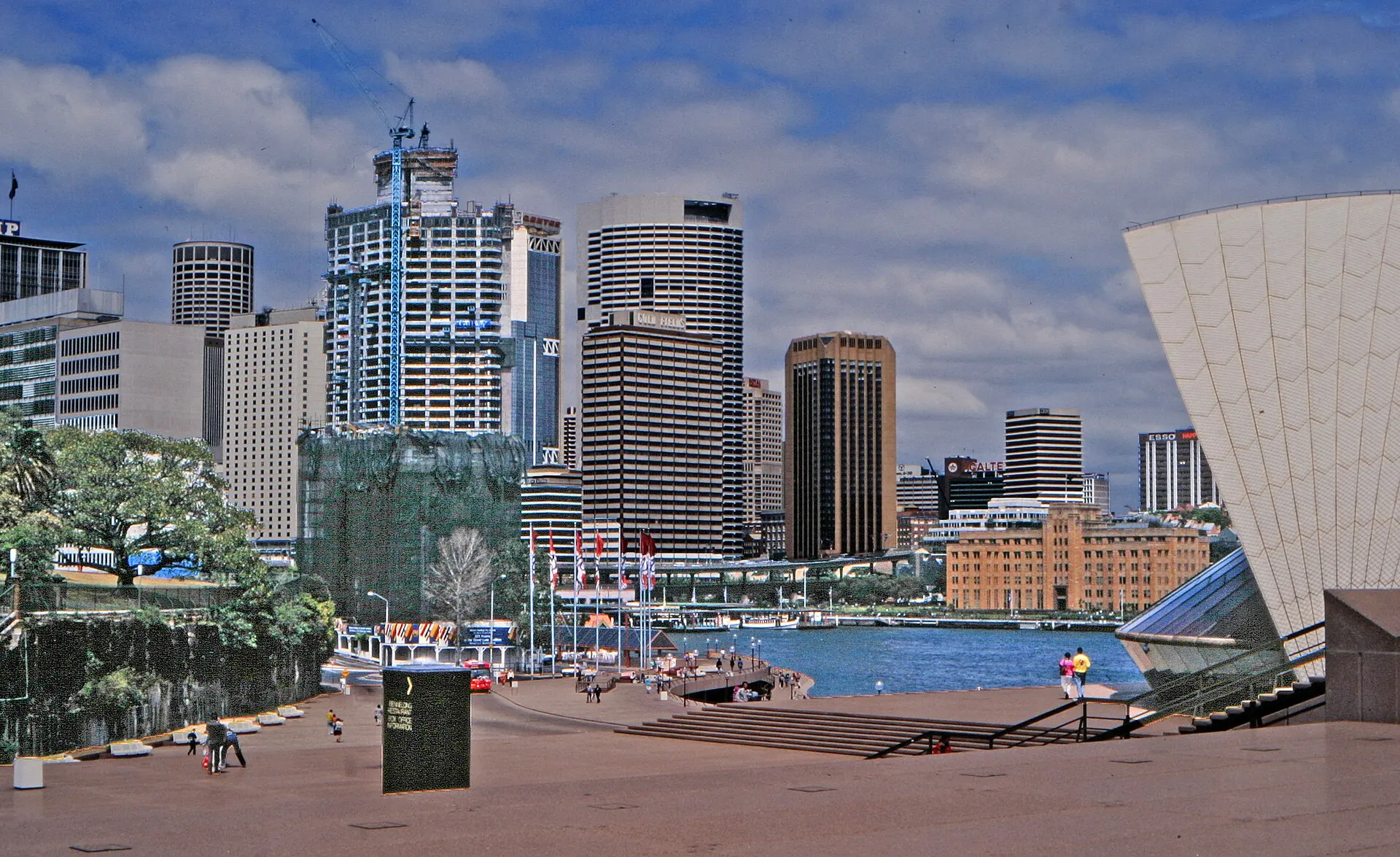
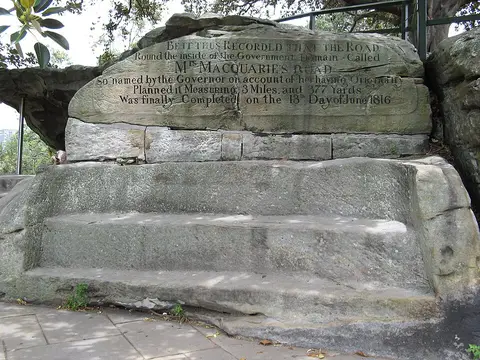
The Sydney Opera House, designed by Danish architect Jørn Utzon and opened in 1973, is one of the most famous buildings of the 20th century and has been a UNESCO World Heritage Site since 2007. A guided tour shows you the halls, but even better is attending a concert or an opera performance. The Harbour Bridge, affectionately nicknamed the "Coathanger," can be crossed on foot, or you can join a guided Bridge Climb all the way up to the arch. Between the two landmarks, the Royal Botanic Garden stretches to the lookout at Mrs Macquarie's Chair, the classic photo spot. The Rocks, with its colonial-era pubs and weekend market, the Museum of Contemporary Art at Circular Quay, and the Art Gallery of New South Wales, whose modern extension Sydney Modern opened in 2022, round out the program. To see the city from above, head up the Sydney Tower Eye.
Beaches: Bondi, Manly, and the Northern Beaches
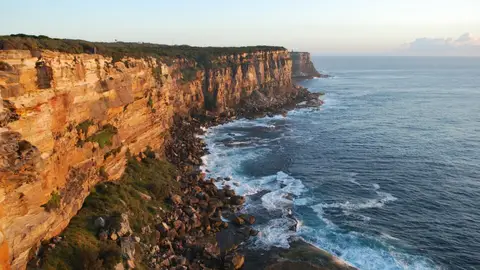
Bondi Beach is Australia's best-known beach, with surfers, lifeguards, and the Icebergs ocean pool carved into the rocks. The Coastal Walk from Bondi to Coogee runs about six kilometers (roughly 4 miles) along cliffs, coves, and Waverley Cemetery, which sits right above the sea. You can reach Manly by ferry from Circular Quay in about 20 minutes, an experience in itself. Farther north, the Northern Beaches stretch from Dee Why and Collaroy to Palm Beach on the Barrenjoey peninsula. In the harbor itself there are sheltered swimming coves such as Shelly Beach and Balmoral, ideal for families, and in many bays, ocean pools invite you to swim without the surf.
Neighborhoods with Their Own Character
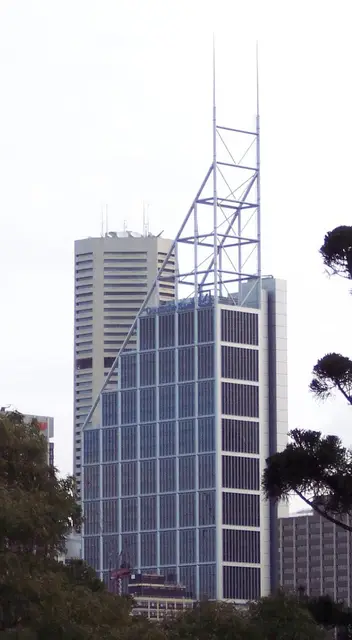
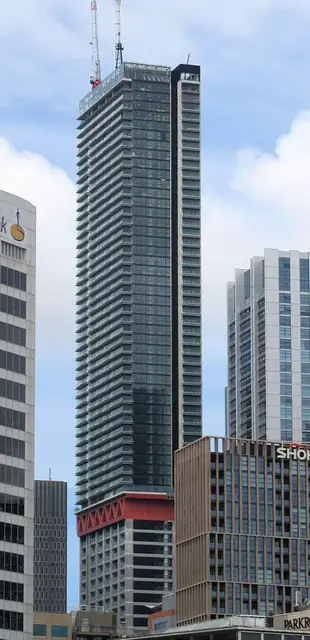
The Central Business District, or CBD, with its skyscrapers, the Queen Victoria Building, and Hyde Park, is the business center. Just to the south lies Haymarket with Chinatown and Paddy's Market. Surry Hills and Darlinghurst are the neighborhoods for cafés, bars, and restaurants, with restored Victorian-era row houses; Darlinghurst and Oxford Street are also the heart of the LGBTQ+ scene, which celebrates at Mardi Gras in February and March. Newtown in the Inner West is alternative, full of street art, record stores, and live music. On the other side of the harbor, Chatswood has a distinctly Asian feel with its restaurants and shopping centers, while Parramatta in the west, once the colony's second settlement, is now a center in its own right with historic buildings and restaurants.
Eating and Drinking in Sydney
Sydney's restaurants reflect its immigration history: Vietnamese pho in Cabramatta, Lebanese cuisine in Lakemba, dim sum in Chinatown, Thai in Haymarket, Italian trattorias in Leichhardt. Sydney rock oysters, barramundi, and prawns appear on every seafood menu, and the Sydney Fish Market in Pyrmont is one of the largest fish markets in the Southern Hemisphere. Breakfast means avocado toast and a flat white; the coffee culture is excellent. Wines from the Hunter Valley, just a two-hour drive north, round things out. For a night out, try the rooftop bars of the CBD, the pubs of The Rocks, or the small bars of Surry Hills.
Festivals, Nature, and Day Trips
On New Year's Eve, one of the world's most famous fireworks displays erupts over the harbor, and in May and June the Vivid Sydney light festival turns the Opera House and the city center into a canvas. For day trips, the Blue Mountains are a good choice: a World Heritage Site with eucalyptus forests, gorges, and the rock formations of the Three Sisters, about two hours away by train. In Royal National Park south of the city, the world's second-oldest national park, coastal trails lead to waterfalls and coves, and between June and November humpback whales migrate past the coast.
If you want to see animals, visit Taronga Zoo, which sits on the north shore of the harbor and is best reached by ferry – the giraffes there look straight out at the skyline. At Featherdale Wildlife Park in the west, you can see koalas and kangaroos up close.
Getting Around Sydney and the Best Time to Visit
Kingsford Smith Airport (SYD) lies about ten kilometers (6 miles) to the south, and the Airport Link takes just over ten minutes to reach the city center. Trains, a driverless metro, light rail, buses, and ferries can all be paid for with a credit card or the Opal card, and on Sundays a low daily fare cap applies. The best times to visit are spring and fall in the Southern Hemisphere, meaning September to November and March to May: pleasantly warm and less crowded than in summer. December and January are peak season, with temperatures above 30°C (86°F).