Discover Melbourne: Laneways, Coffee and Culture
Travel guide · editorialMelbourne hides its best sides in narrow alleys: behind unassuming doors you'll find bars, galleries and cafés whose baristas prepare a flat white with almost religious seriousness. The capital of Victoria is considered Australia's cultural capital and has now caught up with Sydney in population. A city break in Melbourne is ideal for anyone who would rather browse than tick off sights.
From Gold Rush Town to Cultural Metropolis
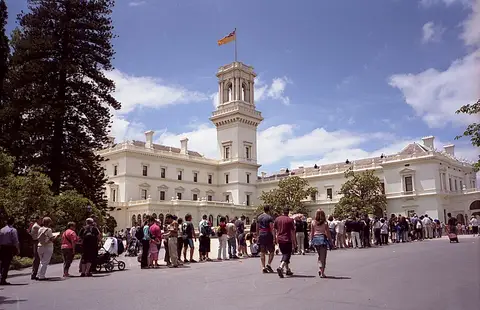
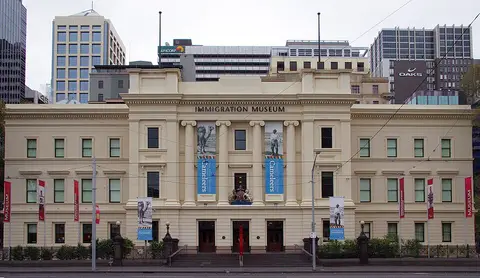
The area along the Yarra River has been the land of the Wurundjeri and other peoples of the Kulin Nation for tens of thousands of years. Settlers from Tasmania founded the city in 1835, and just a few years later the Victorian gold rush turned Melbourne into one of the richest cities in the world. The magnificent Victorian buildings, arcades and boulevards date from this era. From 1901 to 1927, Melbourne was the seat of the Australian Parliament, until Canberra was completed. After World War II, hundreds of thousands of immigrants arrived from Italy and Greece. To this day, Melbourne has one of the largest Greek communities outside Greece, and it brought espresso culture to Australia.
Melbourne Attractions
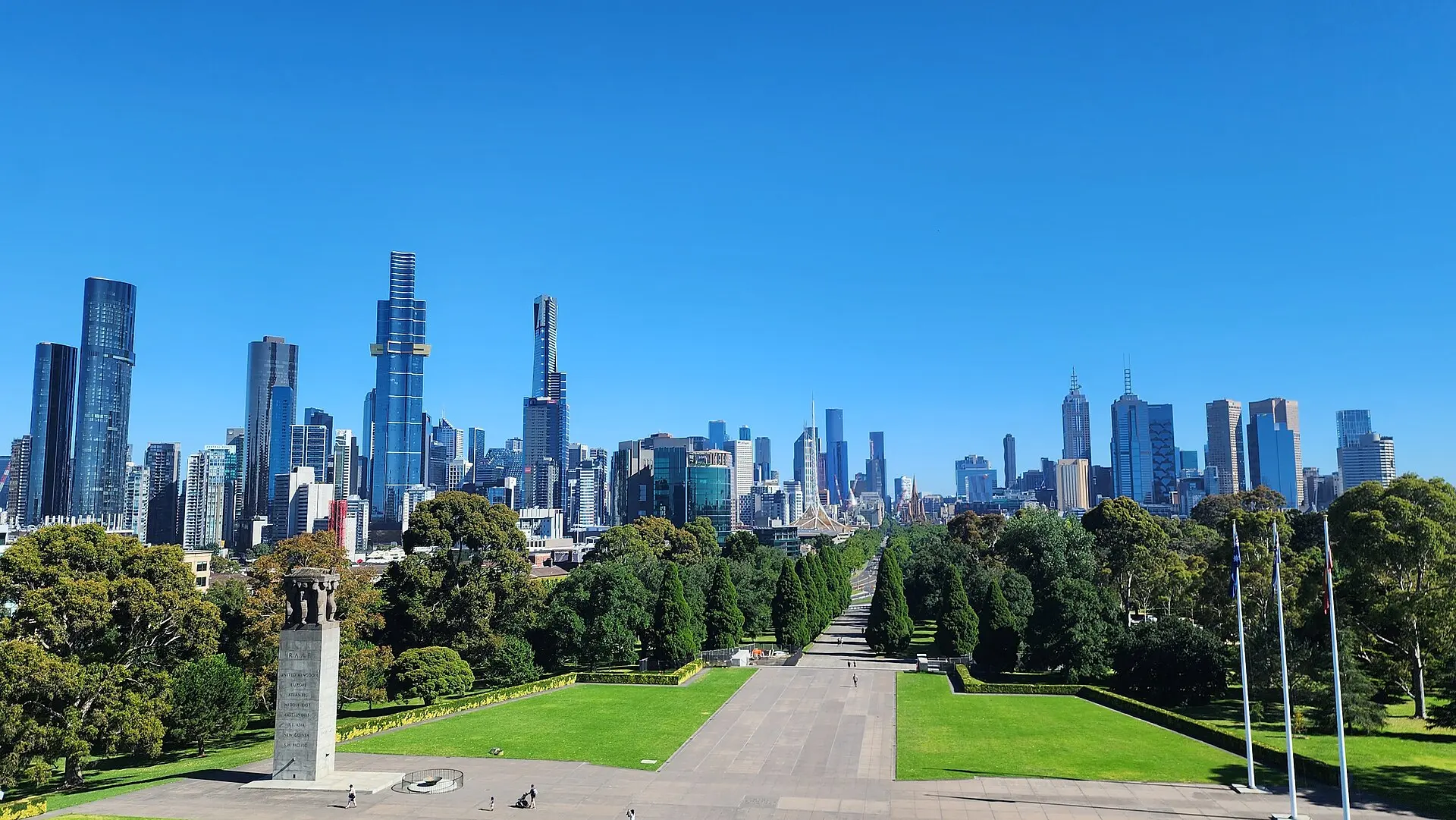
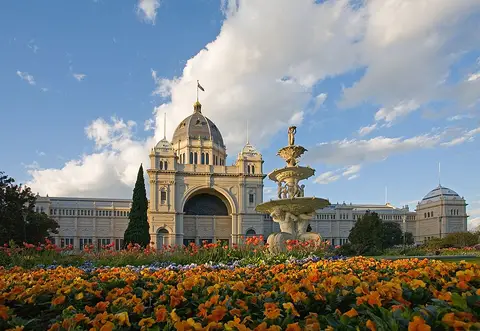
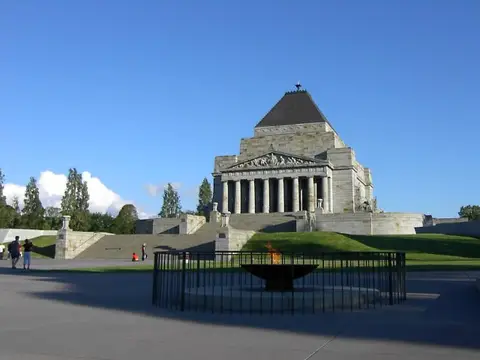
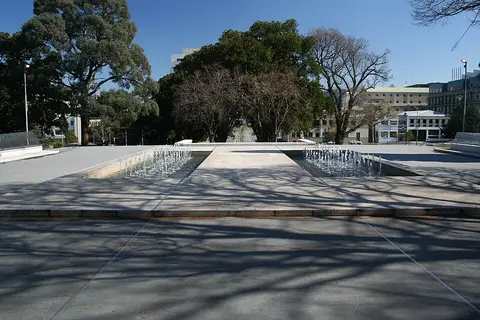
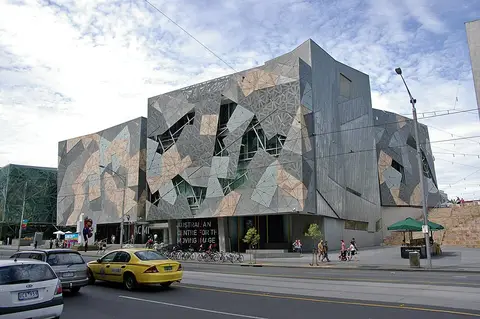
Flinders Street Station, with its yellow facade and the clocks above the entrance, is the classic meeting point. Across the street is Federation Square, home to the Ian Potter Centre, which showcases Australian art, and ACMI, the museum of the moving image. The laneways are the heart of the city center: Hosier Lane, whose walls are completely covered in graffiti, Degraves Street with its cafés, and the Block Arcade with its mosaic floors. The Royal Exhibition Building in the Carlton Gardens, built for the 1880 International Exhibition, is a UNESCO World Heritage Site, and right next to it is the Melbourne Museum. The National Gallery of Victoria on St Kilda Road is Australia's oldest and most visited art museum, with a glass water wall at the entrance. The Shrine of Remembrance and the Royal Botanic Gardens form a green oasis south of the river.
Neighborhoods: Fitzroy, St Kilda and Southbank
Fitzroy is the neighborhood for vintage shops, live music and street art around Brunswick Street and Gertrude Street. Richmond has made a name for itself with Swan Street and Victoria Street, where Vietnamese restaurants dominate; the Melbourne Cricket Ground is here too. South Yarra, with Chapel Street, stands for fashion and brunch culture, while Hawthorn is known for quiet residential streets and universities. Southbank on the Yarra River offers promenades, theaters at the Arts Centre and the casino, and by the sea you'll find St Kilda with its pier, Luna Park and a small penguin colony that you can watch in the evening at the breakwater. Footscray to the west is a multicultural neighborhood with African and Vietnamese markets and restaurants.
Coffee, Food and Markets
Melbourne takes coffee seriously: the cafés work with beans from local roasteries, and big coffee chains have traditionally had a hard time here. Brunch means smashed avocado, ricotta pancakes and eggs Benedict. Queen Victoria Market, a 19th-century market, is the largest open-air market in the Southern Hemisphere, with stalls selling fruit, meat, deli items and souvenirs; in summer there are night markets. Restaurants in Melbourne range from Greek tavernas on Lonsdale Street and dim sum in Chinatown to fine dining. Wines from the Yarra Valley and the Mornington Peninsula make a fitting match.
Sports, Festivals and Nightlife
Melbourne is sports-crazy. The Melbourne Cricket Ground holds around 100,000 spectators, and when the Australian Football League final is on, the whole city turns out. The Australian Open takes place at Melbourne Park in January, the Formula 1 Grand Prix at Albert Park in March, and the Melbourne Cup horse race in November is even a public holiday in Victoria. Nightlife takes place in the rooftop bars and laneway bars of the city center, in the live-music pubs of Fitzroy and Collingwood, and in the clubs of South Yarra. The Comedy Festival in March and April is one of the largest in the world.
Getting Around Melbourne
Tullamarine Airport (MEL) is about 12 miles northwest of the city, and the SkyBus takes around 30 minutes to reach Southern Cross Station. Melbourne has the largest tram network in the world, and in the city center the tram is free within the Free Tram Zone. The historic City Circle Tram runs a loop around downtown. You pay with the myki card or, increasingly, contactless. The new Metro Tunnel beneath the city center, with additional stations, has recently sped up train connections considerably.
The compact city center, known as the Hoddle Grid, is easy to explore on foot, and bike and walking paths along the Yarra River lead out into the suburbs. Rental bikes and e-scooters round out the options. If you go out in the evening, you can count on night trains and night trams on weekends that run until the early morning hours. The Spirit of Tasmania takes you overnight by ferry from Geelong to Devonport in Tasmania.
Best Time to Visit and Day Trips
Melbourne is known for its changeable weather; locals say you get "four seasons in one day." The best times to visit are fall (March to May) and spring (October, November). Day trips take you along the Great Ocean Road to the rock formations of the Twelve Apostles, to Phillip Island for the Penguin Parade, to the vineyards of the Yarra Valley, and to the Dandenong Ranges with their tree-fern forests and the Puffing Billy steam railway. If you have more time, continue to the gold rush towns of Ballarat and Bendigo or to Grampians National Park with its rock art and kangaroos.