Victoria: Melbourne, the Great Ocean Road, and the Gold Towns
Travel guide · editorialVictoria is the smallest mainland state in Australia, yet it packs coastal roads, wine regions, gold rush towns, and a capital that likes to see itself as the country's cultural center into a compact area. A vacation in Victoria is easy to plan without long domestic flights, since almost everything lies within a few hours' drive of Melbourne. The weather is moodier than in the north, but the landscape is surprisingly green.
Melbourne: Laneways, Coffee, and Sports
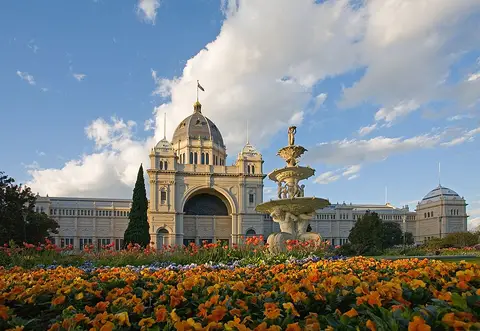
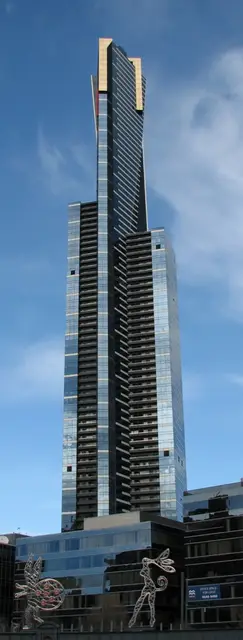
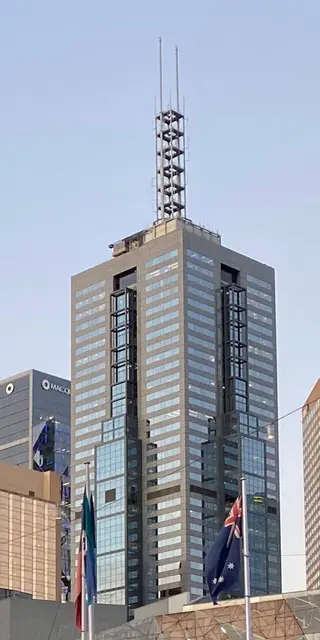
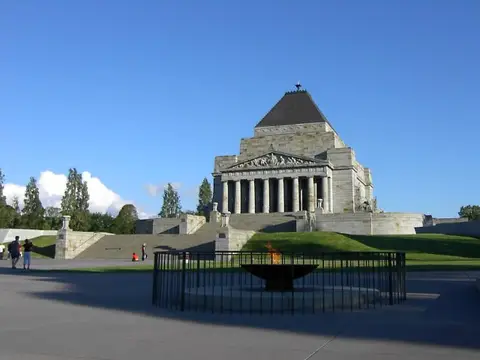
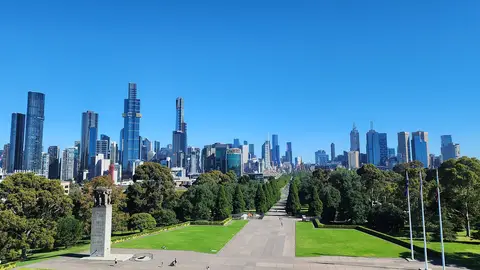
Melbourne is best explored on foot and by tram, which is free in the city center. Between the grand Victorian buildings on Collins Street, you'll find hidden laneways such as Hosier Lane with its street art or Degraves Street with its tiny cafés – the city's coffee culture has an almost religious reputation. The Queen Victoria Market has been a meeting place since the 19th century, while Federation Square and the National Gallery of Victoria form the cultural heart. Fitzroy and Collingwood are known for live music and vintage shops, St Kilda for its beachfront promenade and penguins on the pier. Australian Rules football is played at the Melbourne Cricket Ground, or MCG for short, and tennis pros arrive for the Australian Open in January, followed by Formula 1 at Albert Park in March.
The Great Ocean Road and the Coast
One of the best-known destinations in Victoria is the Great Ocean Road, which runs about 240 kilometers (150 miles) along the south coast starting at Torquay. It was built after World War I by returned soldiers and is dedicated to them. Along the way you'll pass the surf beach Bells Beach, the seaside resort of Lorne, rainforests in Great Otway National Park, and finally the limestone stacks of the Twelve Apostles, of which only a few remain standing. At the end of the route, Warrnambool awaits, where southern right whales calve off the coast between June and September. On Phillip Island, the little penguin parade waddles ashore every evening, and Wilsons Promontory National Park at the southern tip of the mainland offers granite bays and wombats.
Gold, Wine, and Mountains Inland
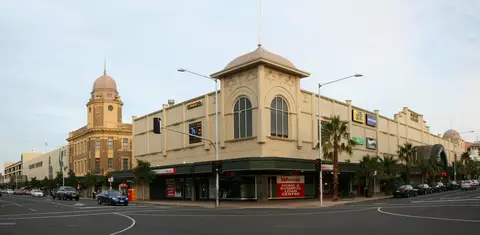
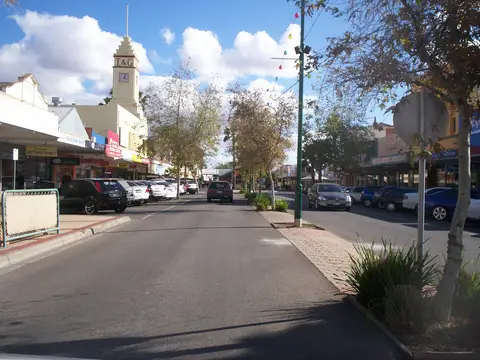
The gold rush that began in 1851 briefly made Melbourne one of the richest cities in the world, and its traces are still visible in Ballarat and Bendigo today. In Ballarat, the open-air museum Sovereign Hill shows the life of the gold miners; the Eureka Rebellion also took place here in 1854, a founding myth of Australian democracy. Bendigo impresses with its grand buildings and a Chinese museum that commemorates the many Chinese gold seekers. Around Melbourne you'll find the Yarra Valley with its Pinot Noir and sparkling wine, as well as the Mornington Peninsula with its wineries and hot springs. Farther north, the land becomes flatter and drier: Shepparton is a fruit-growing region, and Mildura on the Murray River lives off citrus fruits and grapes. In the northeast, the Victorian Alps rise with ski resorts such as Falls Creek and Mount Hotham, and in the west the rugged sandstone ranges of the Grampians feature Aboriginal rock art.
Geelong and the Surrounding Area
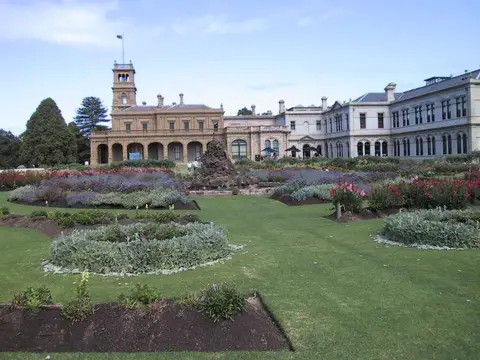
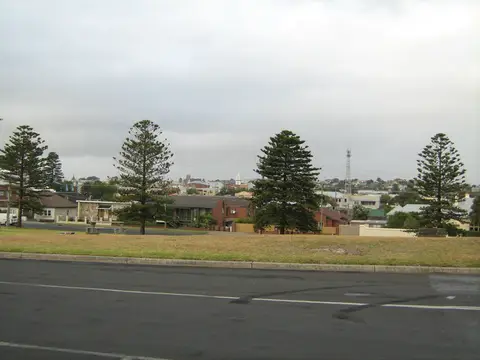
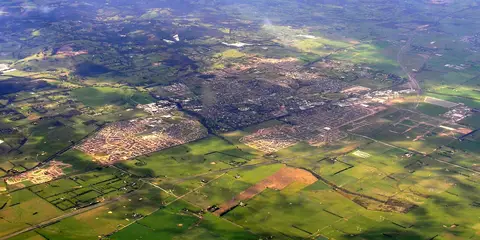
Geelong, Victoria's second-largest city, sits on Corio Bay and has left its industrial history behind: a waterfront promenade with painted bollard figures, good restaurants, and proximity to the Bellarine Peninsula make it a great starting point for the Great Ocean Road. Werribee, on Melbourne's western outskirts, is known for the safari park Werribee Open Range Zoo and the magnificent mansion Werribee Park.
Food, Drink, and Festivals
Melbourne is considered Australia's foodie capital. Greek, Italian, and Vietnamese immigrants have shaped its cuisine; Lygon Street is synonymous with Italian food, Richmond with pho. In the wine regions, cellar doors invite you in for tastings, and on the coast you can find mussels from Port Phillip Bay and lobster from Portland. The Melbourne Food and Wine Festival in March and the Comedy Festival in April are among the big events.
Best Time to Visit and Getting There
The best time to visit is considered to be November through April, though Melbourne is notorious for offering "four seasons in one day" – always pack a jacket. Fall, with the grape harvest and changing leaves, is especially beautiful, and in winter skiers head to the Alps. Melbourne Tullamarine International Airport (MEL) lies north of the city, while Avalon near Geelong is used by budget airlines. Overnight ferries run from Melbourne to Tasmania, and regional trains reach Ballarat, Bendigo, Geelong, and Warrnambool.